.png)
Advancements in Drone Defense Technology

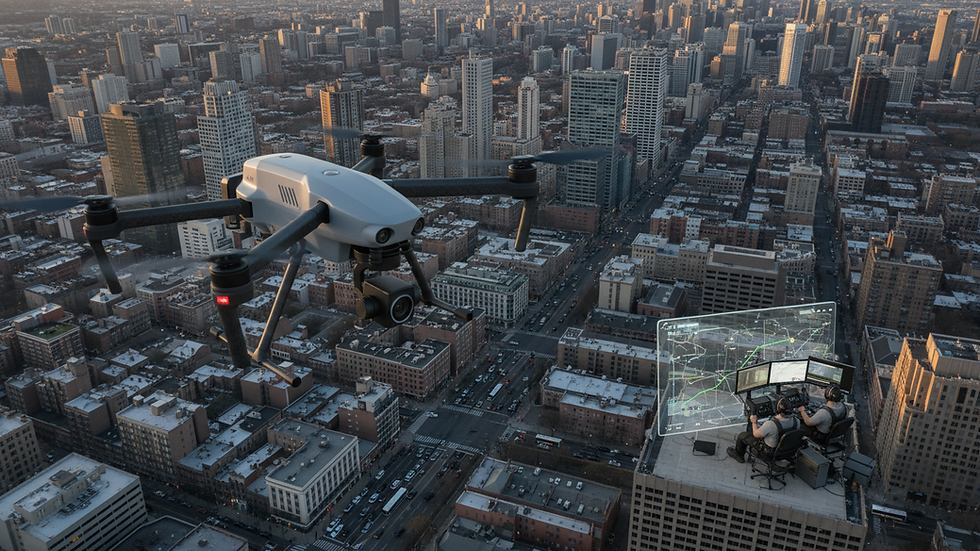
Unmanned aerial systems, commonly known as drones, have become increasingly accessible and versatile. While they offer numerous benefits across industries, their misuse poses significant risks to public safety, critical infrastructure, and event security. The rapid evolution of drone capabilities demands equally advanced countermeasures. This article explores the latest advancements in drone defense technology, focusing on practical applications, operational value, and real-world scenarios that highlight the importance of reliable airspace protection.
Understanding the Need for Advanced Drone Defense Technology
Drones can be deployed for surveillance, delivery, photography, and more. However, their potential for unauthorized surveillance, smuggling, or even weaponization creates new challenges for security professionals. Critical infrastructure such as power plants, airports, and government facilities are particularly vulnerable to drone intrusions. Similarly, large public events require vigilant airspace monitoring to prevent disruptions or threats.
Traditional security measures often fall short in detecting and mitigating drone threats. This gap has led to the development of specialized drone defense technology designed to provide real-time awareness and operational control. These systems enable security teams to detect, track, and respond to unauthorized drones swiftly and effectively.

Key Features and Capabilities of Modern Drone Defense Technology
Modern drone defense solutions integrate multiple detection and mitigation methods to ensure comprehensive coverage. The core capabilities include:
Detection and Identification: Using radar, radio frequency (RF) sensors, acoustic sensors, and optical cameras, these systems detect drones at various ranges and altitudes. Identification algorithms help distinguish between authorized and unauthorized drones.
Tracking and Classification: Once detected, drones are tracked continuously to assess their flight path, speed, and behavior. Classification helps prioritize threats based on drone type and intent.
Mitigation Options: Depending on the operational environment and legal considerations, mitigation can involve jamming communication signals, GPS spoofing, or deploying physical countermeasures such as nets or trained birds of prey.
Integration and Control: Advanced systems offer centralized command interfaces that integrate with existing security infrastructure. This allows for coordinated responses and streamlined decision-making.
Data Analytics and Reporting: Post-incident analysis and real-time reporting enhance situational awareness and support continuous improvement of security protocols.
These features collectively empower security teams to maintain control over their airspace and respond proactively to emerging threats.
Is there anti-drone technology?
Yes, anti-drone technology has matured significantly in recent years. It encompasses a range of tools and techniques designed to detect, track, and neutralize unauthorized drones. Some of the most effective anti-drone technologies include:
Radio Frequency (RF) Jammers: These devices disrupt the communication link between the drone and its operator, forcing the drone to land or return to its point of origin.
Radar Systems: Specialized radar can detect small, low-flying drones that traditional radar systems might miss. These radars provide early warning and tracking capabilities.
Electro-Optical and Infrared Cameras: These sensors provide visual confirmation and tracking, especially useful in low-light or complex environments.
Drone Interceptors: Some systems deploy interceptor drones equipped to capture or disable unauthorized drones mid-flight.
Cybersecurity Measures: Protecting control systems and communication networks from drone-based cyber threats is an emerging area within anti-drone technology.
Each technology has strengths and limitations, and effective drone defense often requires a layered approach combining multiple methods.

Real-World Use Cases Demonstrating Operational Value
Several recent incidents underscore the critical role of advanced drone defense technology:
Airport Security: Unauthorized drones near airports can disrupt flight operations and pose collision risks. Deploying integrated detection systems has enabled airports to identify and mitigate drone threats quickly, minimizing delays and ensuring passenger safety.
Public Events: Large gatherings such as concerts and sports events are vulnerable to drone-related disruptions. Real-time drone detection allows security teams to maintain situational awareness and implement rapid response protocols.
Critical Infrastructure Protection: Power plants, water treatment facilities, and communication hubs have employed drone defense systems to prevent espionage, sabotage, or accidental interference.
Emergency Response: During natural disasters or large-scale emergencies, drones can interfere with rescue operations. Drone defense technology helps maintain clear airspace for emergency responders.
These examples highlight how reliable drone defense solutions enhance operational control and reduce risk in diverse environments.
Practical Recommendations for Implementing Drone Defense Solutions
For organizations seeking to enhance their airspace security, the following recommendations can guide effective deployment:
Conduct a Risk Assessment: Identify critical assets, potential drone threat scenarios, and operational priorities.
Select a Layered Defense Approach: Combine detection, tracking, and mitigation technologies tailored to the specific environment and threat level.
Ensure Legal Compliance: Understand and adhere to local regulations governing drone detection and countermeasures.
Train Personnel: Equip security teams with the knowledge and skills to operate drone defense systems and interpret data accurately.
Integrate with Existing Security Systems: Seamless integration improves situational awareness and response coordination.
Establish Clear Response Protocols: Define roles, communication channels, and escalation procedures for drone incidents.
Regularly Update and Maintain Systems: Keep technology current to address evolving drone capabilities and emerging threats.
By following these steps, organizations can build resilient defenses that protect airspace without compromising operational efficiency.
Enhancing Trust and Control with Aerial Defense Systems
Reliable drone defense technology is essential for maintaining trust in security operations. Systems that provide real-time alerts, accurate tracking, and actionable intelligence empower decision-makers to act confidently. The ability to monitor airspace continuously and respond swiftly reduces uncertainty and enhances overall safety.
Aerial Defense Systems (ADS) specializes in delivering easy-to-deploy drone detection solutions that increase situational awareness and support safer decision-making. Their technology is designed to meet the demanding needs of public safety agencies, event security teams, and critical infrastructure operators. By focusing on operational value and straightforward guidance, ADS helps organizations maintain control over their airspace and mitigate drone-related risks effectively.
For more information on how to safeguard your airspace, explore the latest in drone defense technology.


Comments