.png)
Advancements in Drone Defense Technology

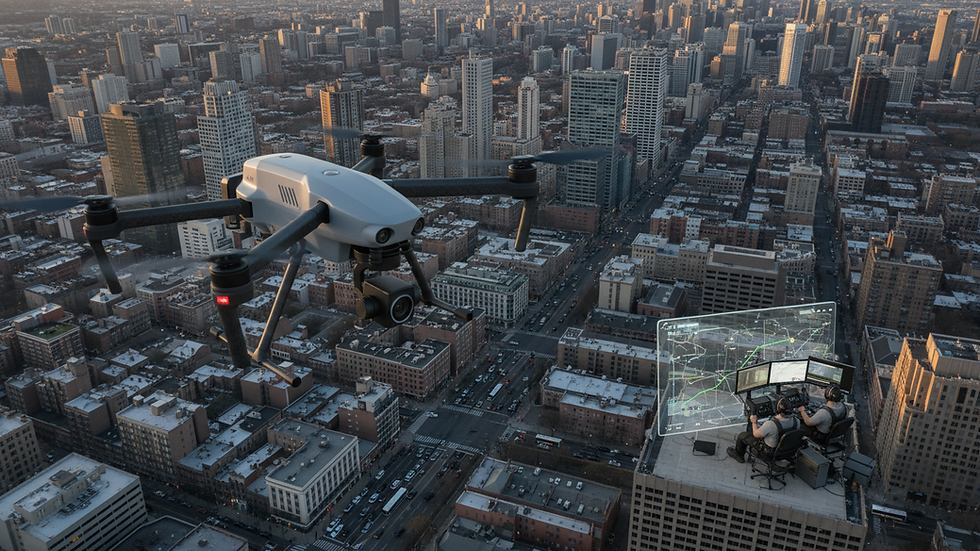
Unmanned aerial systems, commonly known as drones, have become increasingly prevalent across various sectors. While these devices offer numerous benefits, they also pose significant security challenges. Unauthorized drone activity can threaten public safety, disrupt critical infrastructure, and compromise sensitive events. To address these risks, advancements in drone defense technology have become essential tools for law enforcement, event security, emergency responders, and infrastructure managers.
Understanding the Need for Drone Defense Technology
The rapid proliferation of drones has introduced new vulnerabilities in airspace security. Drones can be used for illicit surveillance, smuggling contraband, or even as delivery mechanisms for hazardous materials. Public safety agencies and security professionals face the challenge of detecting and mitigating these threats in real time.
For example, airports have reported multiple incidents where drones interfered with aircraft operations, causing delays and potential safety hazards. Similarly, large public events are increasingly targeted by unauthorized drones, raising concerns about crowd safety and privacy. Critical infrastructure such as power plants, water treatment facilities, and communication hubs are also at risk of drone intrusions that could disrupt essential services.
Effective drone defense technology provides situational awareness and operational control, enabling security teams to detect, track, and respond to drone threats swiftly. This technology supports decision-making processes that prioritize safety and minimize disruption.

Key Components of Modern Drone Defense Technology
Modern drone defense systems integrate multiple technologies to provide comprehensive protection. These components work together to detect, identify, and neutralize unauthorized drones.
Detection Sensors
Detection is the first critical step. Systems use radar, radio frequency (RF) scanners, acoustic sensors, and optical cameras to identify drone presence. Each sensor type has strengths and limitations, so combining them enhances detection accuracy and reduces false alarms.
Identification and Classification
Once detected, drones must be classified to determine if they pose a threat. Advanced algorithms analyze flight patterns, signal signatures, and visual data to distinguish between authorized and unauthorized drones.
Tracking and Monitoring
Continuous tracking provides real-time location data, enabling security teams to monitor drone movements and predict potential impact zones. This information is vital for coordinating tactical responses.
Mitigation and Response
Mitigation options vary depending on the threat level and operational environment. Common methods include RF jamming to disrupt drone control signals, GPS spoofing to misdirect drones, and physical capture using nets or trained birds of prey. Some systems also integrate with law enforcement protocols for rapid intervention.
Command and Control Interface
A user-friendly interface consolidates sensor data and response options, allowing operators to maintain situational awareness and execute countermeasures efficiently.
These components form the backbone of reliable drone defense technology, ensuring that security teams can maintain control over their airspace.
Is there anti-drone technology?
Yes, anti-drone technology has evolved significantly to address the growing threat of unauthorized drones. These technologies are designed to detect, identify, and neutralize drones before they can cause harm.
One widely used approach is radio frequency (RF) detection and jamming. Since most drones rely on RF signals for communication and navigation, jamming these signals can effectively disable or redirect the drone. However, RF jamming must be used carefully to avoid interference with other critical communications.
Another method involves radar-based detection systems that scan the airspace for small, low-flying objects. These systems can detect drones at various ranges and provide early warning to security personnel.
Optical and infrared cameras complement radar and RF sensors by providing visual confirmation and tracking capabilities. These cameras can operate in different lighting conditions, enhancing detection reliability.
For mitigation, some systems deploy net guns or drone-capturing drones to physically intercept unauthorized drones. This approach is particularly useful in sensitive environments where electronic countermeasures are restricted.
Emerging technologies include laser systems capable of disabling drones by damaging their components. While promising, these systems require careful deployment due to safety considerations.
Overall, anti-drone technology offers a layered defense strategy that combines detection, identification, and mitigation to protect critical assets and public safety.

Real-World Use Cases Demonstrating Operational Value
Several real-world scenarios highlight the operational value of advanced drone defense technology:
Airport Security: Airports have implemented integrated drone detection systems to monitor airspace around runways. These systems provide early alerts to air traffic controllers, allowing them to delay or reroute flights if necessary. In one instance, a major international airport successfully averted a potential collision by detecting an unauthorized drone 3 miles from the runway.
Public Events: Large-scale events such as concerts and sports games deploy drone defense systems to prevent unauthorized aerial surveillance or attacks. Real-time tracking enables security teams to respond quickly, ensuring the safety of attendees.
Critical Infrastructure Protection: Power plants and water treatment facilities use drone detection to monitor restricted zones. When a drone is detected, operators can initiate lockdown procedures or deploy countermeasures to prevent sabotage or espionage.
Emergency Response: During natural disasters, drones can interfere with rescue operations or spread misinformation. Emergency responders use drone defense technology to maintain control of the airspace, ensuring that authorized drones supporting relief efforts can operate safely.
These examples demonstrate how drone defense technology enhances situational awareness and supports proactive security measures.
Best Practices for Implementing Drone Defense Solutions
Implementing an effective drone defense strategy requires careful planning and coordination. The following best practices can help maximize operational effectiveness:
Conduct a Risk Assessment
Identify critical assets and potential drone threat scenarios. Understanding the specific risks allows for tailored defense solutions.
Integrate Multiple Detection Technologies
Use a combination of radar, RF, acoustic, and optical sensors to improve detection accuracy and reduce false positives.
Establish Clear Response Protocols
Define roles, responsibilities, and escalation procedures for drone incidents. Ensure all team members are trained on these protocols.
Coordinate with Regulatory Authorities
Work closely with aviation and law enforcement agencies to ensure compliance with legal requirements and facilitate rapid response.
Regularly Test and Update Systems
Conduct routine drills and system maintenance to ensure readiness. Stay informed about emerging drone threats and technology advancements.
Prioritize User-Friendly Interfaces
Choose systems with intuitive command and control platforms to enable quick decision-making during high-pressure situations.
By following these guidelines, organizations can build resilient drone defense capabilities that protect their airspace effectively.
Enhancing Airspace Security with Trusted Solutions
The evolving threat landscape demands reliable and easy-to-deploy drone defense technology. Solutions that provide real-time awareness, precise tracking, and effective mitigation empower security teams to maintain operational control and reduce risk.
Aerial Defense Systems (ADS) exemplifies this approach by delivering integrated detection and response tools tailored to the needs of public safety agencies, event organizers, and critical infrastructure operators. Their systems enhance situational awareness and support safer decision-making in complex environments.
Investing in proven drone defense technology is a critical step toward safeguarding airspace and ensuring the safety of people and assets. As drone use continues to grow, so does the importance of maintaining vigilant and effective countermeasures.

By embracing these advancements, organizations can confidently address drone threats and uphold the highest standards of security and public safety.


Comments