.png)
State-of-the-Art Drone Defense Technology Unveiled

Unmanned aerial vehicles, commonly known as drones, have become increasingly prevalent across various sectors. While their applications range from commercial deliveries to aerial photography, they also pose significant security challenges. Unauthorized drone activity near sensitive locations can threaten public safety, disrupt events, and compromise critical infrastructure. To address these risks, advanced drone defense technology has emerged as a vital tool for maintaining secure airspace and ensuring operational control.
Advancements in Drone Defense Technology
Modern drone defense technology integrates multiple detection and mitigation methods to provide comprehensive airspace security. These systems combine radar, radio frequency (RF) detection, electro-optical sensors, and acoustic sensors to identify and track drones in real time. The fusion of these technologies enables rapid and accurate detection, even in complex environments.
One key feature of these systems is their ability to classify drones based on size, speed, and flight patterns. This classification helps security teams prioritize threats and respond appropriately. For example, a small recreational drone flying near a stadium may warrant a different response than a larger drone approaching a power plant.
Mitigation techniques vary depending on the operational context and legal considerations. Common methods include RF jamming to disrupt drone communication, GPS spoofing to misdirect drones, and controlled drone capture using nets or other physical means. Importantly, these actions are executed with strict adherence to safety protocols to avoid collateral damage or unintended consequences.

Drone detection radar system monitoring airspace for unauthorized UAVs
Real-World Use Cases and Operational Value
The practical applications of drone defense technology span multiple sectors where airspace security is critical. Public safety agencies rely on these systems to protect large gatherings, such as concerts and sporting events, from potential drone-related disruptions. By detecting drones early, security personnel can implement timely interventions that prevent accidents or malicious activities.
Emergency responders benefit from drone defense technology by maintaining clear airspace during critical operations. For instance, firefighting helicopters require unobstructed flight paths, and unauthorized drones can pose collision risks. Real-time drone awareness allows emergency teams to coordinate airspace management effectively.
Critical infrastructure operators, including power plants, water treatment facilities, and transportation hubs, use drone defense systems to safeguard assets from espionage, sabotage, or accidental interference. Continuous monitoring and rapid threat identification enable these operators to maintain operational continuity and protect public resources.
Airport security is another domain where drone defense technology plays a crucial role. Unauthorized drones near runways can cause flight delays, diversions, or accidents. Integrated detection and response systems help airport authorities maintain safe airspace and comply with aviation regulations.
Why did the US ban DJI drones?
The United States government banned certain DJI drones due to concerns over data security and potential foreign surveillance. DJI, a leading drone manufacturer based in China, was scrutinized for its data handling practices and the possibility that sensitive flight information could be accessed by foreign entities. This ban reflects broader national security priorities aimed at protecting critical infrastructure and public safety from cyber and physical threats.
The ban has prompted public safety agencies and infrastructure managers to seek alternative drone defense solutions that ensure secure and transparent operations. It also underscores the importance of selecting drone defense technology providers with robust data protection policies and compliance with national security standards.
Implementing Effective Drone Defense Strategies
Deploying drone defense technology requires a strategic approach tailored to the specific operational environment. The following recommendations can guide agencies and organizations in establishing effective drone defense capabilities:
Conduct a Risk Assessment
Identify vulnerable areas and potential drone threat scenarios. Consider factors such as event size, infrastructure sensitivity, and historical drone activity.
Select Appropriate Detection Technologies
Choose systems that combine multiple sensor types for comprehensive coverage. Ensure the technology can operate effectively in the local environment and weather conditions.
Develop Response Protocols
Establish clear procedures for threat evaluation and mitigation. Define roles and responsibilities for security personnel and coordinate with local law enforcement when necessary.
Train Personnel
Provide thorough training on system operation, threat identification, and safe mitigation techniques. Regular drills help maintain readiness and improve response times.
Maintain Compliance
Ensure all drone defense activities comply with federal, state, and local regulations. Obtain necessary authorizations for mitigation actions such as jamming or drone capture.
Leverage Real-Time Data
Utilize integrated command centers to monitor drone activity continuously. Real-time situational awareness supports informed decision-making and rapid intervention.
By following these guidelines, organizations can enhance their airspace security and reduce risks associated with unauthorized drone operations.

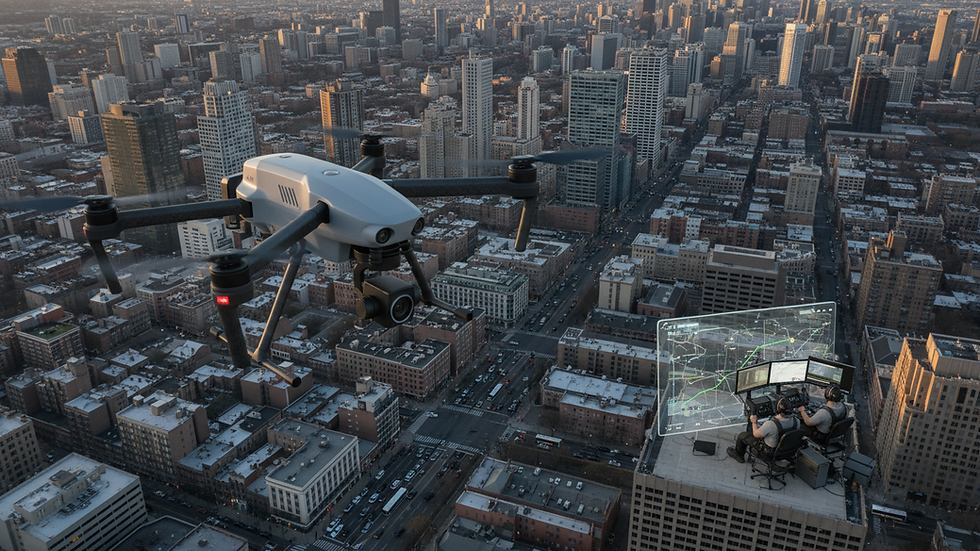
Control room displaying real-time drone tracking data for airspace security
Enhancing Trust and Operational Control with ADS
Aerial Defense Systems (ADS) offers reliable, easy-to-deploy solutions designed to increase situational awareness and support safer decision-making. Their technology empowers security teams to detect, track, and understand drone activity swiftly, providing a tactical advantage in managing airspace threats.
The operational value of ADS lies in its ability to deliver actionable intelligence without overwhelming operators with false alarms. This balance fosters trust in the system and confidence in the response measures taken. By integrating ADS into existing security frameworks, agencies and organizations can maintain control over their airspace and protect people and assets effectively.
In an era where drone threats continue to evolve, investing in proven drone defense technology is essential. It ensures preparedness against emerging risks and reinforces a commitment to public safety and infrastructure protection.
For more information on drone defense systems, visit the official ADS website.


Comments