.png)
Detecting Drones Locally: How to Detect Drones Near You for Enhanced Security

Unmanned aerial vehicles, commonly known as drones, have become increasingly prevalent in various environments. While drones offer many benefits, they also pose significant security challenges for public safety agencies, event security teams, emergency responders, and critical infrastructure operators. Detecting drones locally is essential to maintaining operational control, ensuring safety, and mitigating potential threats. This article provides a comprehensive guide on how to detect drones near you, emphasizing practical methods, real-world scenarios, and tactical responses.
Understanding the Importance of Detecting Drones Locally
Detecting drones in your immediate airspace is critical for several reasons. Unauthorized drone activity can disrupt emergency response operations, compromise sensitive events, and threaten critical infrastructure such as power plants, airports, and government facilities. Early detection allows security teams to assess the situation, implement countermeasures, and prevent potential harm.
For example, during large public events, drones can be used for unauthorized surveillance or even to deliver contraband. In emergency situations, drones may interfere with firefighting helicopters or police operations. Detecting drones locally provides real-time awareness, enabling rapid decision-making and enhancing overall safety.
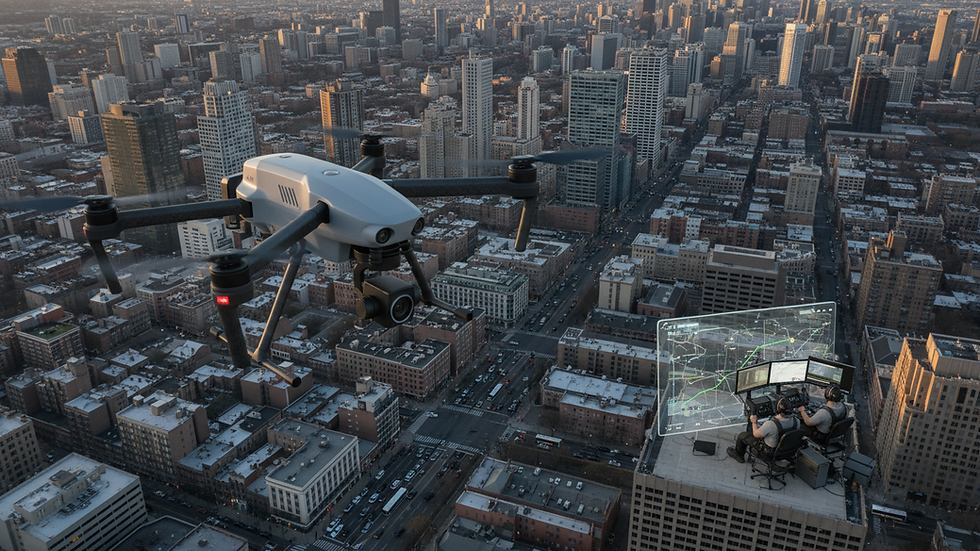
Effective Strategies for Detecting Drones Locally
Several technologies and techniques are available to detect drones in real time. Each method has its strengths and limitations, and often a combination of approaches yields the best results.
1. Radio Frequency (RF) Detection
Most consumer and commercial drones communicate with their operators via radio frequencies. RF detection systems scan the airwaves for these signals, identifying drone controllers and telemetry data. This method is effective for detecting drones that are actively transmitting but may miss drones operating autonomously or on encrypted channels.
2. Radar Systems
Radar technology can detect drones by bouncing radio waves off objects in the airspace. Modern radar systems designed for drone detection can identify small, low-flying drones and track their movement. Radar is particularly useful in open areas and critical infrastructure sites where early warning is essential.
3. Acoustic Sensors
Acoustic detection relies on identifying the unique sound signatures produced by drone motors and propellers. This method works well in quiet environments but can be less effective in noisy urban settings or during adverse weather conditions.
4. Optical and Infrared Cameras
Visual detection using optical and infrared cameras provides confirmation of drone presence and helps identify the type of drone. Infrared cameras are especially useful for night-time detection. Integration with automated tracking software enhances situational awareness.
5. Combined Sensor Systems
The most reliable drone detection solutions integrate multiple sensor types, such as RF, radar, acoustic, and optical sensors. This multi-layered approach reduces false alarms and improves detection accuracy.
How to Detect if a Drone is Nearby?
Detecting a drone nearby requires vigilance and the right tools. Here are practical steps and indicators to identify drone presence:
Visual Observation: Look for small, fast-moving objects in the sky, especially near sensitive areas. Drones often have blinking lights and distinct flight patterns.
Listen for Unusual Sounds: The buzzing or whirring noise of drone propellers can be a giveaway, particularly in quiet environments.
Use Detection Equipment: Deploy RF scanners or radar systems to monitor airspace for drone signals or movement.
Monitor Airspace Alerts: Some regions provide drone activity alerts through official channels or specialized apps.
Check for Interference: Unexpected disruptions in communication or GPS signals may indicate drone activity.
For organizations requiring rapid and reliable detection, deploying an integrated drone detection system is the most effective solution. These systems provide real-time alerts, track drone trajectories, and support operational decision-making.

Real-World Use Cases Highlighting the Need for Drone Detection
Event Security
Large-scale events such as concerts, sports games, and political rallies are attractive targets for unauthorized drone flights. Drones can capture sensitive footage, disrupt performances, or pose safety risks if they malfunction or collide with attendees. Implementing drone detection systems allows security teams to monitor the airspace continuously and respond swiftly to threats.
Critical Infrastructure Protection
Facilities like power plants, water treatment centers, and transportation hubs are vulnerable to drone intrusions. Drones can be used for espionage, smuggling, or even as delivery platforms for hazardous materials. Early detection enables infrastructure managers to activate security protocols and coordinate with law enforcement.
Emergency Response Operations
During emergencies, drones can interfere with rescue helicopters or firefighting aircraft. Detecting drones in these scenarios helps emergency responders maintain safe airspace and avoid accidents. Additionally, drones can be used maliciously to gather intelligence on emergency operations, making detection vital for operational security.
Implementing a Tactical Response with Aerial Defense Systems (ADS)
Aerial Defense Systems (ADS) offers a reliable, easy-to-deploy solution for drone detection tailored to the needs of public safety agencies, event organizers, and infrastructure operators. ADS technology integrates multiple sensor types to provide comprehensive situational awareness.
Key benefits of ADS include:
Real-Time Alerts: Immediate notification of drone presence allows for rapid response.
Accurate Tracking: Continuous monitoring of drone flight paths supports threat assessment.
Operational Control: Clear data presentation enables informed decision-making.
Scalability: Systems can be deployed in various environments, from urban centers to remote facilities.
By leveraging ADS, organizations can reduce risk, enhance safety, and maintain control over their airspace.
Practical Recommendations for Enhancing Drone Detection Capabilities
To maximize the effectiveness of drone detection efforts, consider the following best practices:
Conduct Risk Assessments: Identify critical areas where drone threats are most likely and prioritize detection resources accordingly.
Integrate Multiple Detection Technologies: Combine RF, radar, acoustic, and optical sensors for comprehensive coverage.
Train Personnel: Ensure security teams understand drone behavior, detection methods, and response protocols.
Establish Communication Protocols: Coordinate with local law enforcement and aviation authorities for incident management.
Regularly Update Systems: Keep detection technology current to address evolving drone capabilities and tactics.
Maintain Legal Compliance: Understand and adhere to regulations governing drone detection and countermeasures.
For those seeking guidance on how to detect drones near me, leveraging expert resources and proven technologies is essential to building a robust defense posture.
Building Trust Through Reliable Drone Detection
Effective drone detection is not just about technology; it is about building trust and confidence in security operations. Reliable detection systems provide actionable intelligence that supports safer environments and protects critical assets. By prioritizing real-time awareness and operational control, organizations can stay ahead of emerging drone threats and maintain mission readiness.
In summary, detecting drones locally requires a strategic approach that combines technology, training, and coordination. With the right tools and protocols, public safety agencies, event security teams, and infrastructure managers can safeguard their airspace and respond decisively to drone incursions.


Comments