.png)
Revolutionizing Airspace Security with Drone Detection Methods

The rapid growth of drone technology has brought significant benefits across many sectors. However, it has also introduced new challenges for airspace security. Unauthorized or malicious drone activity can pose serious risks to public safety, critical infrastructure, and large-scale events. To address these threats, advanced drone detection methods have become essential tools for maintaining control and situational awareness in sensitive airspace environments.
This article explores the evolving landscape of drone detection, highlighting practical approaches and real-world applications. It aims to provide clear, actionable insights for public safety agencies, event security teams, emergency responders, and infrastructure managers who require reliable solutions to protect their airspace.
Understanding Drone Detection Methods
Effective airspace security depends on the ability to detect, identify, and track drones in real time. Various drone detection methods are available, each with unique strengths and limitations. Understanding these methods helps organizations select the right combination to meet their operational needs.
Radar-Based Detection
Radar systems emit radio waves and analyze the reflections to detect objects in the airspace. They are effective at identifying drones at medium to long ranges, even in low visibility conditions such as fog or darkness. Modern radar can differentiate drones from birds or other flying objects by analyzing flight patterns and size.
Advantages:
Long-range detection capability
Operates in all weather conditions
Provides accurate tracking data
Limitations:
Can be expensive to deploy and maintain
May require integration with other sensors for identification
Radio Frequency (RF) Detection
RF detection monitors the radio signals drones use to communicate with their controllers. By scanning for these signals, RF systems can detect and locate drones even if they are not visible.
Advantages:
Detects drones beyond visual line of sight
Can identify drone models based on signal characteristics
Provides early warning of drone activity
Limitations:
Ineffective against autonomous drones that do not emit RF signals
Susceptible to interference in crowded RF environments
Optical and Infrared Cameras
Visual detection uses high-resolution cameras and infrared sensors to spot drones. These systems provide real-time video feeds that help operators visually confirm drone presence and behavior.
Advantages:
Provides visual confirmation and identification
Useful for tracking drones in complex environments
Infrared cameras can detect drones at night
Limitations:
Limited range compared to radar and RF
Performance affected by weather and lighting conditions
Acoustic Detection
Acoustic sensors listen for the unique sound signatures of drone motors and propellers. This method can detect drones in environments where other sensors may struggle.
Advantages:
Passive detection method that does not emit signals
Can detect drones hidden behind obstacles
Limitations:
Limited range, typically short distance
Background noise can reduce accuracy

Is There Any Way to Detect Drones?
Yes, multiple technologies and methods exist to detect drones effectively. Combining these technologies into an integrated system enhances detection accuracy and operational control. For example, radar can provide early detection, RF sensors can identify communication signals, and optical cameras can confirm visual identification.
Integration is key because no single method is foolproof. Autonomous drones that do not emit RF signals require radar or optical detection. Conversely, small drones flying low may evade radar but can be detected by acoustic or visual sensors.
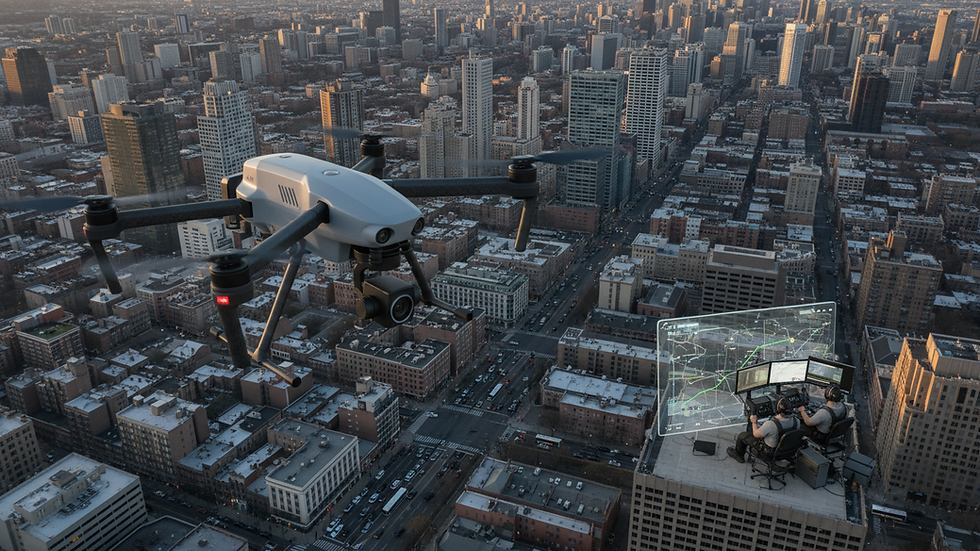
Operational teams benefit from systems that fuse data from multiple sensors, providing a comprehensive airspace picture. This fusion supports faster decision-making and more effective responses to drone threats.
Real-World Use Cases of Drone Detection
Drone detection methods have been successfully deployed in various scenarios where airspace security is critical.
Protecting Critical Infrastructure
Power plants, water treatment facilities, and communication hubs are vulnerable to drone intrusions. Unauthorized drones can conduct surveillance, disrupt operations, or carry hazardous payloads. Drone detection systems provide continuous monitoring, alerting security teams to suspicious activity and enabling rapid intervention.
Securing Large Public Events
Concerts, sports events, and political gatherings attract large crowds and require heightened security. Drones can be used for unauthorized filming, smuggling contraband, or worse, as delivery platforms for dangerous materials. Deploying drone detection solutions at event perimeters helps security personnel maintain control and ensure public safety.
Enhancing Airport Security
Airports face significant risks from drones interfering with aircraft operations. Drone detection systems integrated with airport security protocols help identify and track drones near runways and flight paths, reducing the risk of collisions and disruptions.
Supporting Emergency Response
During emergencies such as wildfires or natural disasters, drones can interfere with response efforts or pose hazards to rescue teams. Detection systems enable responders to maintain situational awareness and coordinate airspace use safely.

Implementing Effective Drone Detection Strategies
To maximize the benefits of drone detection, organizations should consider the following best practices:
Assess Airspace Risk
Conduct a thorough risk assessment to identify vulnerable areas and potential drone threat scenarios. This helps tailor detection strategies to specific operational needs.
Deploy Multi-Sensor Systems
Use a combination of radar, RF, optical, and acoustic sensors to cover detection gaps and improve reliability.
Integrate with Existing Security Infrastructure
Connect drone detection systems with existing surveillance, access control, and communication networks for seamless operational coordination.
Train Personnel
Ensure security teams understand how to interpret detection data and respond appropriately to drone threats.
Establish Clear Response Protocols
Develop and rehearse procedures for drone incidents, including notification, interdiction, and escalation steps.
Maintain System Updates and Calibration
Regularly update software and calibrate sensors to maintain detection accuracy and adapt to evolving drone technologies.
Advancing Airspace Security with Trusted Solutions
Reliable drone detection solutions are critical for maintaining operational control and protecting sensitive airspace. By providing real-time awareness and actionable intelligence, these systems empower security professionals to respond swiftly and effectively to drone threats.
Aerial Defense Systems (ADS) specializes in delivering easy-to-deploy drone detection solutions designed to enhance situational awareness and reduce risk. Their technology supports safer decision-making by integrating multiple detection methods into a unified platform tailored for public safety agencies, event organizers, and infrastructure operators.
Investing in proven drone detection methods is a strategic step toward safeguarding airspace and ensuring the safety of people and assets.
Preparing for the Future of Airspace Security
As drone technology continues to evolve, so too must detection and response capabilities. Emerging trends such as artificial intelligence, machine learning, and automated interdiction promise to enhance detection accuracy and operational efficiency.
Organizations should stay informed about advancements and continuously evaluate their airspace security posture. Proactive adoption of advanced drone detection methods will be essential to meet future challenges and maintain control over increasingly complex airspace environments.
By prioritizing reliable detection and integrated response strategies, security professionals can confidently manage drone threats and protect critical assets in an ever-changing landscape.


Comments