.png)
Enhancing Airspace Security with Drone Monitoring Systems

Updated: Jan 9
Understanding the Components of Drone Monitoring Systems
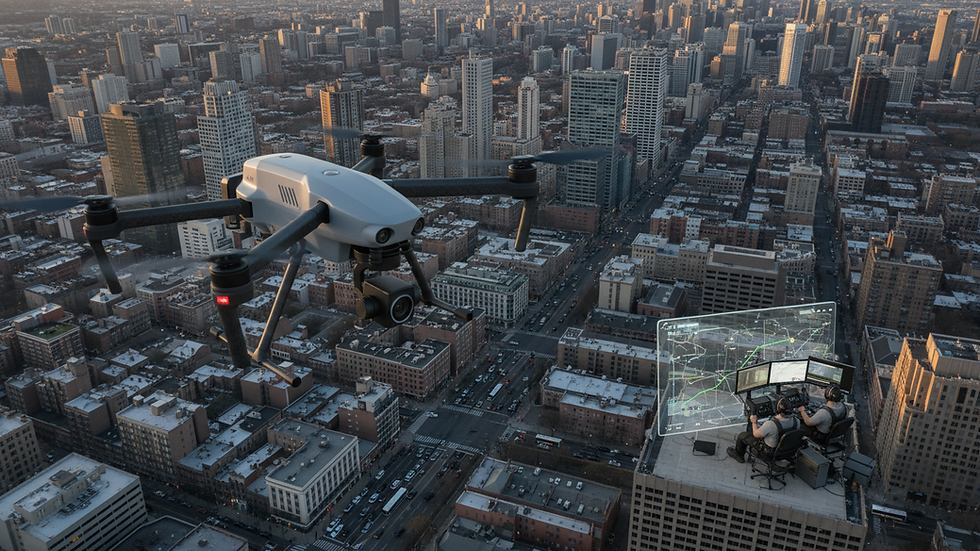
Drone monitoring systems integrate multiple technologies to provide comprehensive surveillance and threat assessment. At their core, these systems combine radar, radio frequency (RF) detection, optical sensors, and advanced software analytics to identify and classify drones in real time.
Radar Sensors: Radar units scan the airspace to detect moving objects. They provide initial detection by identifying the size, speed, and trajectory of aerial vehicles. Radars are effective at long ranges and in various weather conditions.
Radio Frequency (RF) Detectors: These sensors monitor the electromagnetic spectrum for signals commonly used by drones for communication and control. RF detection helps confirm the presence of drones and can sometimes identify the make and model based on signal patterns.
Optical and Infrared Cameras: Visual sensors provide confirmation and tracking by capturing images or video of the drone. Infrared cameras are particularly useful for night operations or low-visibility environments.
Data Fusion and Analytics Software: The system’s software integrates data from all sensors to create a unified airspace picture. It applies algorithms to filter false positives, classify threats, and provide actionable alerts to operators.
Together, these components enable continuous, automated monitoring of airspace, allowing security teams to respond swiftly to unauthorized drone activity.

The Role of Drone Monitoring in Enhancing Security Operations
Effective drone monitoring is critical for maintaining control over restricted or sensitive airspace. Public safety agencies, event security teams, and infrastructure managers rely on these systems to mitigate risks posed by unauthorized drones. Some key operational benefits include:
Real-Time Awareness: Continuous detection and tracking provide immediate alerts when drones enter protected zones. This real-time data supports rapid decision-making and coordinated responses.
Threat Assessment: By analyzing flight patterns, speed, and signal characteristics, operators can distinguish between benign drones and potential threats. This reduces unnecessary interventions and focuses resources on genuine risks.
Evidence Collection: Visual and RF data can be recorded and archived for investigative purposes. This is essential for law enforcement and regulatory compliance.
Integration with Response Protocols: Drone monitoring systems can be linked to counter-drone technologies or security command centers, enabling automated or manual interdiction measures.
For example, during large public events, drone monitoring helps security teams detect unauthorized drones that could disrupt operations or endanger attendees. Similarly, critical infrastructure operators use these systems to protect facilities such as power plants, airports, and communication hubs from aerial threats.
How to Stop Drones from Flying Over Property
Preventing unauthorized drone flights over sensitive property requires a combination of detection, deterrence, and legal measures. Here are practical steps to consider:
Deploy a Drone Monitoring System: Early detection is the first line of defense. Installing a system that covers your airspace provides timely alerts and situational awareness.
Establish No-Fly Zones: Coordinate with aviation authorities to designate restricted airspace over your property. Publicize these zones to inform drone operators of legal boundaries.
Use Geofencing Technology: Some drone manufacturers incorporate geofencing that prevents drones from entering restricted areas. Encouraging or requiring compliant drones can reduce incursions.
Implement Counter-Drone Measures: Depending on local regulations, technologies such as RF jammers, drone capture nets, or trained birds of prey may be used to neutralize threats. These should be deployed carefully to avoid collateral risks.
Engage Law Enforcement: Report unauthorized drone activity to authorities. Legal enforcement can deter repeat offenders and support prosecution if necessary.
Educate Stakeholders: Inform employees, event attendees, or community members about drone policies and reporting procedures.
By combining detection with proactive policies and enforcement, property managers can significantly reduce the risk of unauthorized drone flights.

Real-World Use Cases Demonstrating Operational Value
Several sectors have successfully integrated drone monitoring systems to enhance safety and operational control:
Public Safety and Emergency Response: Police and fire departments use drone monitoring to secure incident scenes and manage airspace during emergencies. For instance, during wildfire responses, monitoring helps prevent drones from interfering with firefighting aircraft.
Event Security: Large-scale events such as concerts, sports games, and political rallies deploy drone monitoring to detect potential aerial threats. This capability supports crowd safety and prevents disruptions.
Critical Infrastructure Protection: Facilities like power plants, water treatment centers, and transportation hubs face risks from drone surveillance or attacks. Continuous monitoring enables early detection and rapid response to unauthorized drones.
Airport Security: Airports implement drone monitoring to prevent incursions that could endanger aircraft during takeoff and landing. This enhances overall aviation safety.
These examples highlight how drone monitoring systems provide actionable intelligence that supports mission-critical decisions and enhances overall security posture.
Best Practices for Implementing Drone Monitoring Systems
To maximize the effectiveness of drone monitoring, organizations should follow these guidelines:
Conduct a Risk Assessment: Identify vulnerable areas and potential drone threat scenarios specific to your environment.
Select Appropriate Technology: Choose a system that integrates multiple sensor types for comprehensive coverage and minimal false alarms.
Train Personnel: Ensure operators understand system capabilities, threat indicators, and response protocols.
Establish Clear Procedures: Define roles, communication channels, and escalation steps for drone incidents.
Maintain System Readiness: Regularly test and update hardware and software components to ensure reliability.
Coordinate with Authorities: Work closely with local law enforcement and aviation regulators to align detection and response efforts.
Respect Privacy and Legal Constraints: Implement monitoring in compliance with applicable laws and ethical standards.
By adhering to these practices, organizations can build trust in their drone monitoring capabilities and enhance overall airspace security.
Enhancing Situational Awareness with Trusted Drone Monitoring Solutions
The evolving drone landscape demands reliable tools that provide clear, real-time insights into aerial activity. Aerial Defense Systems (ADS) offers solutions designed to meet the operational needs of public safety agencies, event organizers, and critical infrastructure operators. By integrating advanced sensor technologies and intuitive software, ADS enables users to detect, track, and understand drone activity quickly and accurately.
Implementing a trusted drone monitoring system increases situational awareness, reduces risk, and supports safer decision-making. It empowers security professionals to maintain control over their airspace and respond effectively to emerging threats. As drone technology continues to advance, investing in robust monitoring capabilities remains a critical component of comprehensive security strategies.
For more information on how to enhance your airspace security, explore drone monitoring solutions tailored to your operational requirements.
Conclusion
In conclusion, the integration of drone monitoring systems is vital for ensuring safety and security in various sectors. These systems not only enhance situational awareness but also provide actionable intelligence that is crucial for effective decision-making. By adopting best practices and leveraging advanced technologies, organizations can significantly mitigate the risks associated with unauthorized drone activity. As the drone landscape continues to evolve, the need for reliable monitoring solutions will only grow, making it essential for stakeholders to prioritize airspace security.


Comments