.png)
Aerial Defense Firms: What They Offer for Enhanced Airspace Security

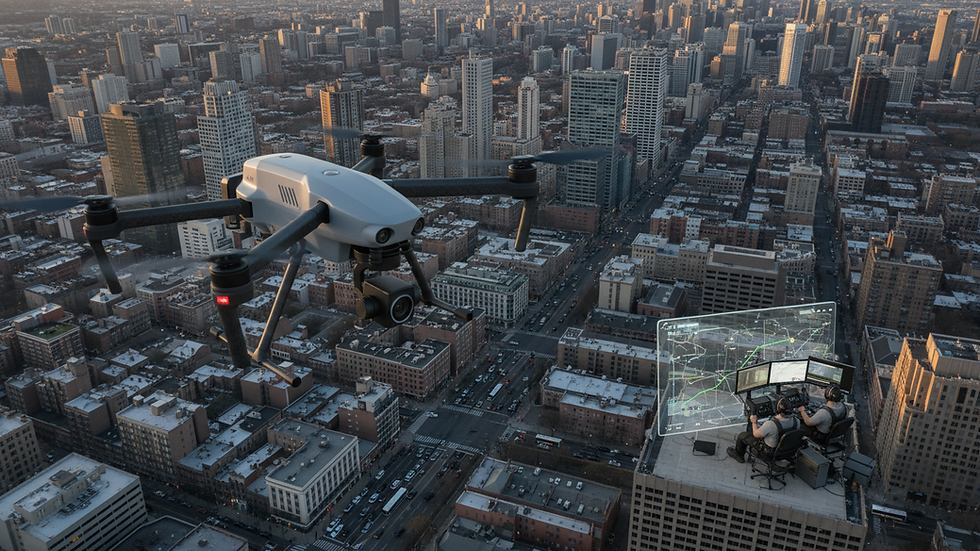
In recent years, the rise of unmanned aerial vehicles (UAVs), commonly known as drones, has introduced new challenges to airspace security. These devices, while beneficial for many commercial and recreational uses, can pose significant risks when operated maliciously or without proper authorization. To address these threats, aerial defense firms have developed specialized systems designed to detect, track, and mitigate unauthorized drone activity. These solutions are critical for maintaining safety around sensitive locations such as public events, critical infrastructure, airports, and emergency response operations.
Understanding the Role of Aerial Defense Firms
Aerial defense firms specialize in creating technologies and services that enhance situational awareness and operational control over airspace. Their systems are designed to provide real-time detection and identification of drones, enabling security teams to respond swiftly and effectively to potential threats.
These companies typically offer integrated solutions that combine multiple sensor types, including radar, radio frequency (RF) detection, acoustic sensors, and optical cameras. This multi-layered approach ensures comprehensive coverage and reduces the likelihood of false alarms.
Key offerings from aerial defense firms include:
Drone Detection: Early identification of unauthorized drones entering restricted airspace.
Tracking and Classification: Continuous monitoring of drone movements and distinguishing between benign and potentially hostile UAVs.
Alert Systems: Immediate notifications to security personnel for rapid response.
Mitigation Options: Tools to disrupt or neutralize drone threats, such as signal jamming or controlled drone capture.
These capabilities are essential for protecting high-risk environments where drone incursions could lead to safety hazards, privacy breaches, or operational disruptions.

How Aerial Defense Firms Support Security Operations
Aerial defense firms provide solutions tailored to the unique needs of various security stakeholders. For example, law enforcement agencies benefit from systems that enhance their ability to monitor and control drone activity during public events or critical incidents. Event security teams rely on these technologies to safeguard large gatherings from potential drone-related disruptions or attacks.
Critical infrastructure operators, such as power plants and communication hubs, use aerial defense systems to prevent unauthorized drone surveillance or interference. Airport security teams deploy these solutions to maintain safe airspace and prevent collisions or unauthorized drone flights near runways.
The operational value of these systems lies in their ability to deliver real-time awareness and actionable intelligence. By integrating aerial defense technology into existing security frameworks, organizations can:
Enhance situational awareness: Gain a clear picture of drone activity in their airspace.
Improve decision-making: Use accurate data to determine appropriate responses.
Reduce risk: Minimize the potential for accidents, espionage, or attacks.
Maintain operational continuity: Prevent disruptions caused by unauthorized drones.
For instance, during a large outdoor concert, an aerial defense system can detect a drone attempting to fly over the crowd. Security personnel receive an immediate alert, allowing them to deploy countermeasures or coordinate with law enforcement to neutralize the threat before it escalates.
Who is the CEO of Dedrone?
Dedrone is one of the prominent companies in the aerial defense sector, known for its advanced drone detection and mitigation technologies. The CEO of Dedrone is Seebach Tim. Under his leadership, the company has focused on developing scalable and user-friendly solutions that cater to a wide range of security needs, from small venues to large-scale critical infrastructure.
Dedrone’s approach emphasizes the integration of multiple sensor technologies and artificial intelligence to provide precise drone identification and tracking. This focus on innovation and reliability has positioned Dedrone as a trusted partner for many public safety agencies and private security teams.

Practical Applications and Real-World Use Cases
The deployment of aerial defense systems spans various sectors, each with specific operational requirements and threat profiles. Below are some practical examples illustrating how these systems enhance security:
Public Safety and Law Enforcement:
During emergency response operations, drones can interfere with helicopter flights or gather sensitive information. Aerial defense systems help responders maintain control of the airspace, ensuring safe and efficient operations.
Event Security:
Large-scale events such as sports games, concerts, and political rallies are attractive targets for drone misuse. Defense systems provide early warnings and enable security teams to prevent unauthorized drone flights that could endanger attendees.
Critical Infrastructure Protection:
Facilities like power plants, water treatment centers, and data centers are vulnerable to drone-based surveillance or sabotage. Continuous drone monitoring helps infrastructure managers detect and respond to threats before damage occurs.
Airport Security:
Airports face significant risks from drones flying near runways, which can cause accidents or delays. Aerial defense systems integrated with air traffic control enhance the ability to detect and mitigate drone incursions promptly.
Correctional Facilities:
Drones are sometimes used to smuggle contraband into prisons. Detection systems enable facility operators to identify and intercept these attempts, maintaining security and order.
These examples demonstrate the versatility and critical importance of aerial defense technologies in maintaining safe and secure airspace across diverse environments.
Choosing the Right Aerial Defense Systems Company
Selecting an appropriate aerial defense systems company requires careful consideration of several factors to ensure the solution aligns with operational needs and security objectives.
Key criteria include:
Technology Integration: The system should combine multiple detection methods for comprehensive coverage.
Ease of Deployment: Solutions must be straightforward to install and operate, minimizing training requirements.
Scalability: The system should adapt to different site sizes and threat levels.
Real-Time Alerts: Immediate notifications are essential for timely responses.
Regulatory Compliance: The company’s solutions must comply with local laws governing drone detection and mitigation.
Support and Maintenance: Reliable customer support and regular updates ensure ongoing effectiveness.
Engaging with a reputable aerial defense systems company that understands the specific challenges faced by public safety and security professionals is crucial. Such a partner will provide not only technology but also expert guidance on best practices and operational integration.
Enhancing Airspace Security with Trusted Solutions
The evolving drone landscape demands proactive measures to safeguard airspace and protect people, property, and critical operations. Aerial defense firms play a vital role in this mission by delivering reliable, easy-to-deploy systems that increase situational awareness and operational control.
By leveraging advanced detection technologies and real-time intelligence, these companies empower security teams to identify threats early, respond effectively, and maintain safe environments. Whether managing a large public event, securing critical infrastructure, or supporting emergency response, aerial defense systems are an indispensable component of modern airspace security strategies.
Investing in these solutions reflects a commitment to safety, operational excellence, and resilience in the face of emerging aerial threats.


Comments