.png)
State-of-the-Art Drone Defense Technology Unveiled

Unmanned aerial vehicles, commonly known as drones, have become increasingly prevalent across various sectors. While their applications range from commercial deliveries to aerial photography, they also pose significant security challenges. Unauthorized drone activity near sensitive locations can threaten public safety, disrupt critical infrastructure, and compromise event security. To address these risks, advanced drone defense technology has emerged as a vital tool for real-time airspace protection.
Advancements in Drone Defense Technology
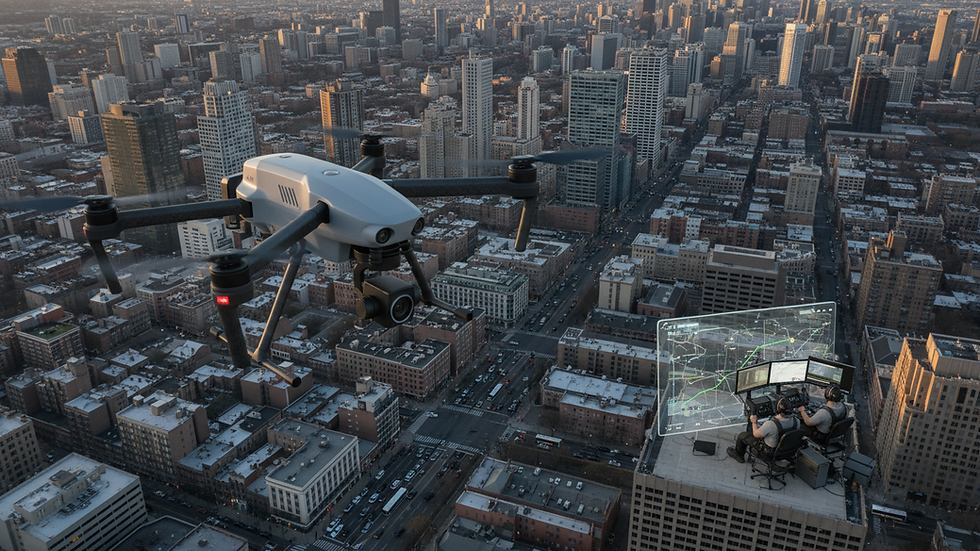
Modern drone defense technology integrates multiple detection and mitigation methods to provide comprehensive situational awareness. These systems combine radar, radio frequency (RF) detection, electro-optical sensors, and acoustic sensors to identify and track drones accurately. The fusion of these technologies enables operators to distinguish between authorized and unauthorized drones, even in complex environments.
For example, radar systems scan the airspace continuously, detecting objects based on their size and movement patterns. RF sensors monitor communication signals between drones and their controllers, allowing for early identification of potential threats. Electro-optical and infrared cameras provide visual confirmation, which is essential for assessing the drone’s intent and payload.
The operational value of these technologies lies in their ability to deliver real-time alerts and actionable intelligence. This empowers security teams to make informed decisions quickly, whether that means initiating a lockdown, deploying countermeasures, or coordinating with law enforcement.

Real-World Use Cases for Drone Defense Systems
Drone threats manifest in various scenarios, each requiring tailored responses. Public safety agencies often encounter drones interfering with emergency response efforts, such as firefighting or disaster relief operations. Unauthorized drones can hinder aerial firefighting by disrupting helicopter flight paths or revealing sensitive tactical positions.
Event security teams face challenges from drones attempting to capture unauthorized footage or deliver contraband into restricted areas. Large public gatherings, such as concerts or sports events, demand vigilant airspace monitoring to prevent potential safety hazards.
Critical infrastructure operators, including power plants, water treatment facilities, and transportation hubs, must protect their assets from espionage, sabotage, or accidental drone incursions. Airports, in particular, require robust drone defense technology to prevent disruptions to flight operations and ensure passenger safety.
In each case, the ability to detect, track, and classify drones rapidly is essential. Integrated drone defense systems provide a reliable tactical response by combining detection with mitigation options such as signal jamming or drone capture technologies.

Why Did the US Ban DJI Drones?
The United States government has taken a cautious stance on certain drone manufacturers, notably DJI, due to concerns over data security and potential foreign surveillance. DJI drones have been widely used across various sectors, but allegations surfaced regarding the transmission of sensitive data to servers outside the US.
This led to restrictions on the use of DJI drones by federal agencies and contractors, emphasizing the need for trusted and secure drone defense technology. The ban highlights the importance of vetting drone systems and defense solutions to ensure they meet stringent security standards.
For organizations responsible for critical infrastructure and public safety, this development underscores the necessity of deploying drone defense systems that not only detect threats but also maintain data integrity and operational security.
Implementing Effective Drone Defense Strategies
Deploying drone defense technology requires a strategic approach tailored to the specific operational environment. The following recommendations can guide agencies and organizations in establishing effective drone defense protocols:
Conduct a Risk Assessment
Identify vulnerable areas and potential drone threat scenarios. Consider factors such as proximity to public events, critical infrastructure, and emergency response zones.
Select Integrated Detection Technologies
Choose systems that combine radar, RF, and visual sensors to maximize detection accuracy and reduce false alarms.
Establish Clear Response Procedures
Define roles and responsibilities for monitoring, threat assessment, and mitigation. Ensure coordination with local law enforcement and aviation authorities.
Train Personnel Thoroughly
Provide hands-on training to operators on system capabilities, threat identification, and response protocols.
Maintain System Readiness
Regularly test and update drone defense technology to adapt to evolving drone capabilities and tactics.
By following these steps, organizations can enhance their airspace security posture and reduce the risks posed by unauthorized drone activity.
Enhancing Operational Control and Situational Awareness
The core benefit of advanced drone defense technology lies in its ability to provide continuous, real-time situational awareness. This capability enables security teams to maintain operational control over their airspace and respond proactively to emerging threats.
Systems equipped with intuitive user interfaces allow operators to visualize drone trajectories, classify threats, and initiate countermeasures swiftly. Integration with existing security infrastructure, such as surveillance cameras and access control systems, further strengthens overall security.
Moreover, data collected by drone defense systems supports post-incident analysis and intelligence sharing. This feedback loop helps refine detection algorithms and improve future response strategies.
Investing in reliable drone defense technology is a critical step toward safeguarding public safety, protecting critical assets, and ensuring uninterrupted operations in an increasingly complex aerial environment.
For organizations seeking to enhance their airspace security, drone defense systems offer a proven solution that combines detection, tracking, and mitigation capabilities. By leveraging these technologies, agencies and operators can achieve greater situational awareness, reduce operational risks, and maintain control over their airspace with confidence.


Comments