.png)
Safeguarding Infrastructure with Infrastructure Drone Defense

Critical infrastructure sites face increasing risks from unauthorized drone activity. These unmanned aerial vehicles can pose threats ranging from privacy violations to potential sabotage or disruption of essential services. Effective infrastructure drone defense is essential to maintain operational security, protect assets, and ensure public safety. This article explores the challenges posed by drones, the operational value of counter-drone systems, and practical guidance for integrating these technologies into security protocols.
Understanding the Threat Landscape for Infrastructure Drone Defense
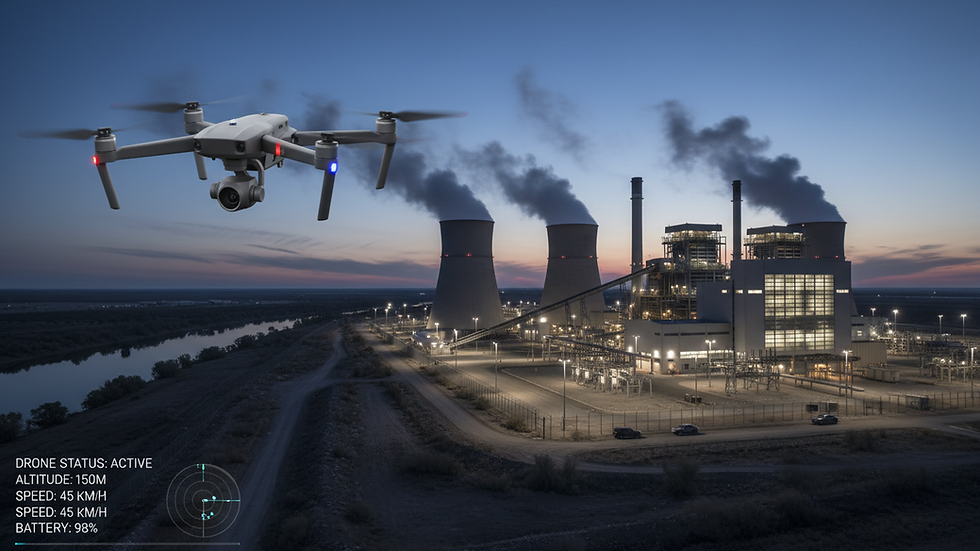
Drones have become widely accessible, affordable, and capable of sophisticated maneuvers. While many are used for legitimate purposes, their misuse can create significant vulnerabilities for infrastructure sites such as power plants, water treatment facilities, transportation hubs, and communication towers.
Common threat scenarios include:
Surveillance and Intelligence Gathering: Unauthorized drones can capture sensitive information or monitor security personnel movements.
Smuggling and Contraband Delivery: Drones can be used to transport illicit items into restricted areas.
Physical Damage or Disruption: Payload delivery or collisions can damage equipment or interrupt operations.
Interference with Emergency Response: Drones can obstruct firefighting, law enforcement, or medical evacuation efforts.
These risks demand a proactive approach to detect, identify, and mitigate drone threats before they escalate.
Key Components of Effective Infrastructure Drone Defense
An effective infrastructure drone defense strategy combines technology, training, and operational procedures. The core components include:
Detection
Early and reliable detection is critical. Detection technologies include radar, radio frequency (RF) sensors, acoustic sensors, and electro-optical/infrared (EO/IR) cameras. Each sensor type has strengths and limitations, so a multi-sensor approach enhances detection accuracy and reduces false alarms.
Identification and Classification
Once detected, drones must be identified and classified to determine if they pose a threat. This involves analyzing flight patterns, drone signatures, and operator signals. Identification helps differentiate between authorized and unauthorized drones.
Tracking and Monitoring
Continuous tracking provides real-time situational awareness. It enables security teams to monitor drone movements, predict flight paths, and coordinate responses.
Mitigation and Response
Mitigation options vary depending on legal and operational constraints. Common responses include:
Alerting security personnel for manual intervention.
Employing electronic countermeasures to disrupt drone control signals.
Deploying physical countermeasures such as nets or trained birds of prey (where permitted).
Integration with Security Operations
Counter-drone systems should integrate seamlessly with existing security infrastructure, including command centers, communication networks, and emergency response protocols. This integration ensures timely information sharing and coordinated action.
Real-World Use Cases Demonstrating Infrastructure Drone Defense
Several real-world examples illustrate the operational value of infrastructure drone defense systems:
Airport Security: Airports have deployed multi-sensor counter-drone systems to detect unauthorized drones near runways. Early detection prevents flight delays and ensures passenger safety.
Energy Sector: Power plants use drone detection to protect critical equipment from surveillance or sabotage attempts. Real-time alerts enable rapid response to potential threats.
Event Security: Large public events employ counter-drone technology to monitor airspace and prevent drone-related disruptions or attacks.
Emergency Response: Fire departments and emergency management agencies use drone detection to maintain safe airspace during incidents, preventing interference with manned aircraft.
These examples highlight how counter-drone systems enhance situational awareness and operational control in diverse environments.

Implementing a Counter-Drone System for Infrastructure
Selecting and deploying a counter-drone system requires careful planning and consideration of operational needs. The following steps provide a practical framework:
Assess Vulnerabilities and Threats: Conduct a thorough risk assessment to identify critical assets, potential drone threat vectors, and operational constraints.
Define Detection Requirements: Determine sensor types, coverage areas, and detection ranges based on site characteristics.
Evaluate Legal and Regulatory Factors: Understand local laws governing drone detection and mitigation, including privacy and airspace regulations.
Choose a Scalable Solution: Select a system that can adapt to evolving threats and integrate with existing security infrastructure.
Train Personnel: Provide comprehensive training for operators on system use, threat identification, and response protocols.
Establish Standard Operating Procedures: Develop clear guidelines for detection, verification, escalation, and mitigation actions.
Conduct Regular Testing and Maintenance: Ensure system reliability through routine drills, updates, and equipment checks.
By following these steps, organizations can deploy a counter drone system for infrastructure that delivers reliable, real-time drone awareness and enhances security posture.
Enhancing Operational Control and Trust with Counter-Drone Systems
Trust in counter-drone technology is built on consistent performance, transparency, and actionable intelligence. Systems must provide clear, unambiguous alerts and detailed information to support decision-making. Features that enhance operational control include:
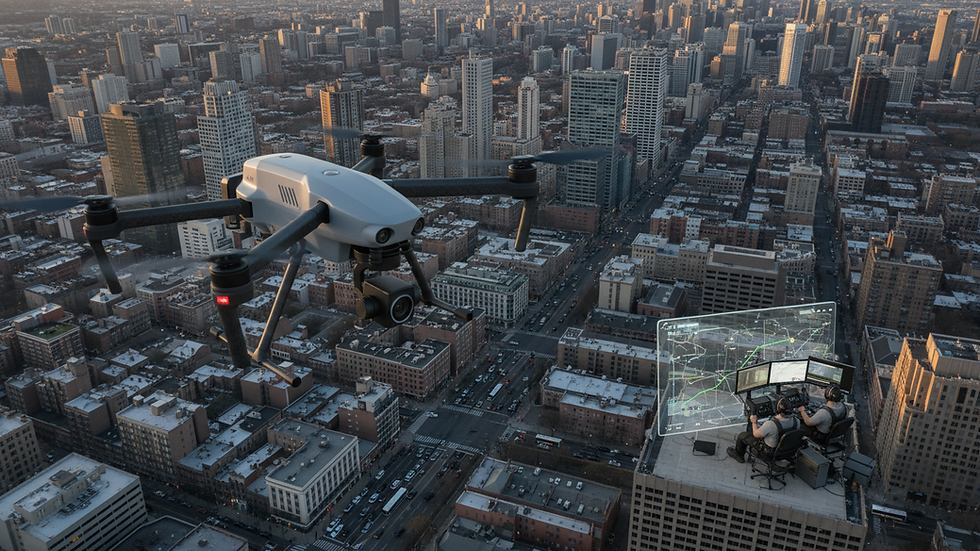
User-Friendly Interfaces: Intuitive dashboards that display drone location, altitude, speed, and identification data.
Automated Alerts: Notifications triggered by predefined threat criteria to reduce operator workload.
Data Logging and Reporting: Comprehensive records for incident analysis and regulatory compliance.
Interoperability: Compatibility with other security and emergency management systems.
These capabilities empower security teams to respond swiftly and confidently to drone threats, minimizing risk and maintaining control over protected airspace.
Preparing for the Future of Infrastructure Drone Defense
As drone technology advances, so do the tactics of those who misuse it. Continuous innovation in counter-drone systems is essential to keep pace with emerging threats. Future developments may include:
Enhanced artificial intelligence for improved drone classification.
Greater automation in threat response.
Expanded integration with national airspace management systems.
Increased collaboration between public safety agencies and private sector operators.
Staying informed and adaptable will ensure infrastructure remains safeguarded against evolving drone challenges.
Investing in robust infrastructure drone defense is a critical step toward securing vital assets and maintaining public safety. By leveraging advanced detection technologies, clear operational protocols, and trusted counter-drone systems, organizations can achieve real-time awareness and effective control over their airspace. This proactive approach reduces risk and supports safer, more resilient infrastructure operations.


Comments