.png)
Airport Anti-Drone Measures: Counter Drone Solutions for Airports Overview

Airports represent critical infrastructure where safety and security are paramount. The increasing use of drones near airports poses significant risks to aircraft operations, passenger safety, and airport security. Unauthorized drone activity can disrupt flights, cause costly delays, and even lead to dangerous near-miss incidents. To address these challenges, airports must implement effective airport anti-drone measures that provide real-time awareness and operational control over their airspace.
This article provides a comprehensive overview of the current landscape of counter drone solutions for airports. It highlights common drone threat scenarios, explores detection and mitigation technologies, and offers practical guidance for integrating these systems into airport security operations. The goal is to equip security professionals with the knowledge needed to enhance airspace protection and maintain safe airport environments.
Understanding Drone Threats at Airports
Drones, also known as unmanned aerial vehicles (UAVs), have become widely accessible and affordable. While many are used for legitimate purposes, unauthorized drones near airports can create serious hazards. Some common threat scenarios include:
Airspace Intrusions: Drones entering controlled airspace without clearance can interfere with aircraft takeoffs and landings.
Disruptive Flights: Drones flying near runways or taxiways can cause temporary shutdowns or diversions.
Smuggling and Surveillance: Drones may be used to smuggle contraband or conduct unauthorized surveillance within airport perimeters.
Malicious Attacks: In rare but critical cases, drones could be weaponized to target airport infrastructure or aircraft.
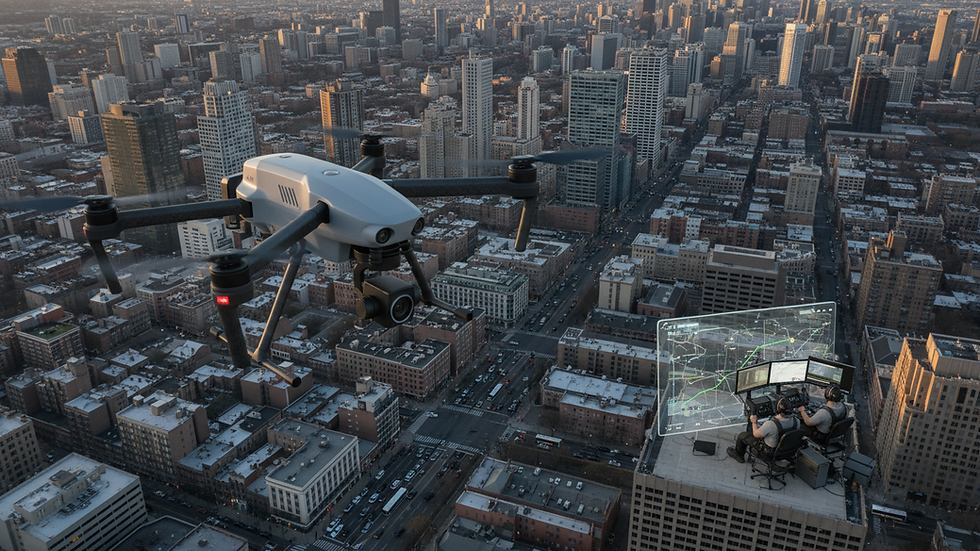
These scenarios underscore the need for continuous monitoring and rapid response capabilities. Airports require systems that can detect, identify, and track drones in real time to prevent incidents before they escalate.
Airport Anti-Drone Measures: Detection and Tracking Technologies
Effective airport anti-drone measures rely on a combination of technologies designed to detect and track drones accurately. These technologies include:
Radar Systems
Radar is a proven technology for detecting flying objects. Specialized radar systems designed for drone detection can identify small, low-flying UAVs by analyzing their unique flight signatures. Radar provides wide-area coverage and can operate in various weather conditions.
Radio Frequency (RF) Detection
RF detection systems monitor the radio signals used to control drones. By scanning for these signals, airports can detect drone activity even when the drone itself is not visible. RF detection also helps identify the drone operator’s location.
Electro-Optical and Infrared Cameras
High-resolution cameras equipped with electro-optical (EO) and infrared (IR) sensors provide visual confirmation of drone presence. These cameras enable security teams to classify drones and assess potential threats visually.
Acoustic Sensors
Acoustic detection uses microphones to pick up the unique sound signatures of drone motors and propellers. This technology can supplement other detection methods, especially in noisy environments.
Integrated Sensor Networks
Combining multiple sensor types into an integrated network enhances detection accuracy and reduces false alarms. Integrated systems provide a comprehensive picture of drone activity, improving situational awareness.

Mitigation Techniques and Operational Response
Detection is only the first step. Airports must also have effective mitigation strategies to neutralize unauthorized drones safely and legally. Common mitigation techniques include:
Geofencing and Drone No-Fly Zones
Many drones are equipped with GPS-based geofencing that prevents them from entering restricted areas. Airports can work with manufacturers and regulators to establish no-fly zones around critical infrastructure.
Jamming and Signal Disruption
Radio frequency jamming can disrupt the communication link between a drone and its operator, forcing the drone to land or return to its point of origin. However, jamming must be used carefully to avoid interference with airport communications and comply with legal regulations.
Drone Capture Systems
Physical capture methods, such as nets launched from ground-based or aerial platforms, can safely remove drones from the airspace without causing collateral damage.
Law Enforcement Coordination
Rapid coordination with law enforcement agencies is essential for responding to drone incursions. Security teams should have clear protocols for reporting incidents and deploying countermeasures.
Real-Time Alerts and Command Centers
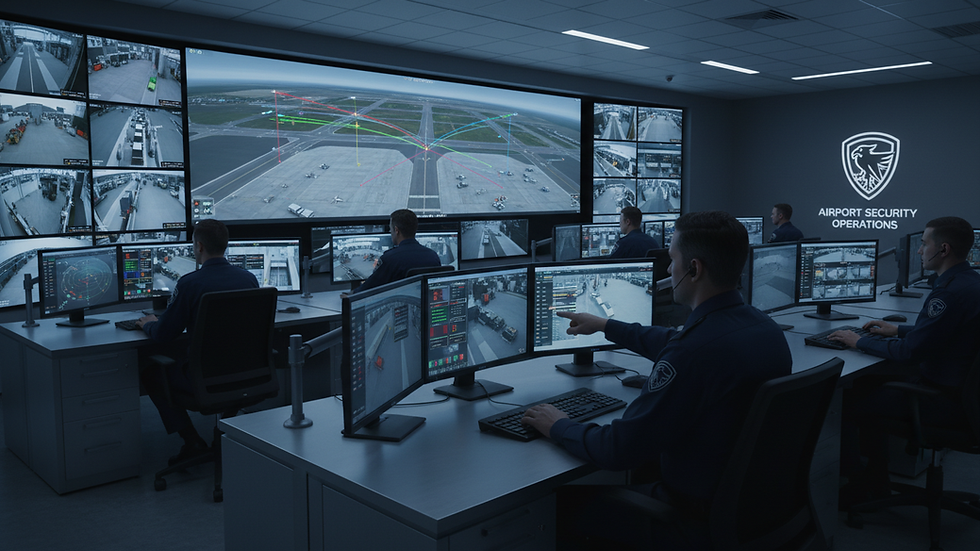
Centralized command centers equipped with real-time alerts enable security personnel to monitor drone activity continuously and make informed decisions quickly.
Implementing Counter Drone Solutions for Airports: Best Practices
Deploying counter drone solutions for airports requires careful planning and integration into existing security frameworks. The following best practices can guide successful implementation:
Conduct a Risk Assessment: Identify vulnerable areas and potential drone threat scenarios specific to the airport environment.
Select Appropriate Technologies: Choose detection and mitigation tools that align with operational needs, budget, and regulatory requirements.
Train Security Personnel: Ensure staff are trained to operate detection systems, interpret data, and respond to drone incidents effectively.
Develop Standard Operating Procedures (SOPs): Establish clear protocols for detection, identification, escalation, and mitigation actions.
Engage Stakeholders: Collaborate with aviation authorities, law enforcement, and drone regulatory bodies to ensure compliance and coordinated response.
Test and Validate Systems: Regularly test counter drone systems under realistic conditions to verify performance and readiness.
Maintain Situational Awareness: Use integrated sensor networks and command centers to maintain continuous monitoring of the airspace.
By following these steps, airports can enhance their resilience against drone threats and maintain safe, uninterrupted operations.
Enhancing Airspace Security with Trusted Tactical Responses
The evolving drone threat landscape demands reliable, easy-to-deploy solutions that provide real-time awareness and operational control. Trusted tactical responses enable airport security teams to detect, track, and understand drone activity promptly. This capability reduces risk and supports safer decision-making during critical incidents.
Integrating counter drone solutions into airport security frameworks strengthens overall airspace protection. It empowers security professionals to act decisively, minimizing disruptions and safeguarding passengers, staff, and infrastructure.
For organizations seeking to improve their drone defense posture, exploring counter drone solutions for airports offers a practical path forward. These solutions combine advanced detection technologies with operational expertise to deliver comprehensive airspace security.
Moving Forward with Airport Drone Defense
As drone technology continues to advance, airports must remain vigilant and proactive in addressing emerging threats. Investing in robust airport anti-drone measures is essential to preserving the safety and integrity of aviation operations.
By leveraging a combination of detection, tracking, and mitigation technologies, airports can build resilient defenses against unauthorized drone activity. Ongoing collaboration with regulatory agencies and law enforcement further enhances response capabilities.
Ultimately, the goal is to create a secure airspace environment where drones are managed safely and effectively, ensuring uninterrupted airport operations and protecting public safety.
This overview serves as a foundation for understanding and implementing airport anti-drone measures. Continued innovation and adaptation will be key to meeting future challenges in airspace security.


Comments