.png)
Permanent Drone Detection Systems: Fixed Airspace Monitoring Solutions for Long-Term Security

Unmanned aerial vehicles (UAVs), commonly known as drones, have become increasingly prevalent across various sectors. While drones offer many benefits, they also pose significant security challenges. Unauthorized drone activity can threaten public safety, disrupt critical infrastructure, and compromise sensitive events. To address these risks, fixed airspace monitoring solutions have emerged as essential tools for maintaining control and situational awareness over protected airspace.
This article explores the operational value of permanent drone detection systems, focusing on their role as reliable, long-term solutions for public safety agencies, event security teams, emergency responders, and infrastructure managers. It provides practical insights into how these systems work, real-world use cases, and guidance on implementation.
The Importance of Fixed Airspace Monitoring Solutions
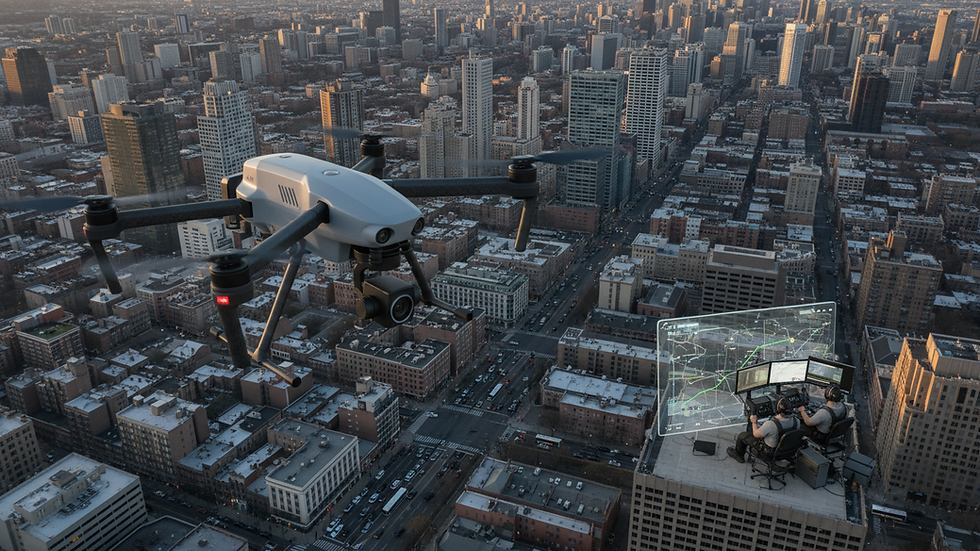
Fixed airspace monitoring solutions are designed to provide continuous, real-time surveillance of designated airspace. Unlike temporary or mobile setups, these systems are permanently installed at strategic locations to ensure uninterrupted drone detection and tracking capabilities.
Key benefits include:
Consistent coverage: Fixed systems maintain 24/7 monitoring, reducing blind spots and ensuring no drone activity goes unnoticed.
Rapid threat identification: Early detection allows security teams to assess potential risks and respond promptly.
Integration with existing security infrastructure: These solutions can be linked with cameras, radar, and communication networks to enhance overall situational awareness.
Data collection and analysis: Continuous monitoring generates valuable data for trend analysis, incident investigation, and regulatory compliance.
For example, a critical infrastructure site such as a power plant or water treatment facility can benefit from a fixed airspace monitoring solution by detecting unauthorized drones before they approach sensitive areas. This early warning enables security personnel to take appropriate action, such as alerting law enforcement or activating countermeasures.

How Permanent Drone Detection Systems Enhance Operational Control
A permanent drone detection system is a cornerstone of modern airspace security. These systems combine multiple sensor technologies—such as radio frequency (RF) detection, radar, acoustic sensors, and electro-optical/infrared (EO/IR) cameras—to provide comprehensive drone awareness.
Operational advantages include:
Multi-sensor fusion: Combining data from different sensors improves detection accuracy and reduces false alarms.
Real-time alerts: Operators receive immediate notifications of drone presence, including location, altitude, speed, and flight path.
Threat classification: Advanced algorithms help distinguish between benign drones and potential threats based on behavior and flight patterns.
Scalability: Systems can be expanded to cover larger areas or integrated with other security platforms.
In practice, law enforcement agencies use permanent drone detection systems to secure public events such as concerts, sports games, and political rallies. By continuously monitoring the airspace, security teams can identify unauthorized drones early and coordinate responses to prevent disruptions or safety hazards.

How much does a drone detection system cost?
Understanding the cost of a drone detection system is critical for budgeting and planning. Prices vary depending on system capabilities, coverage area, sensor types, and integration requirements.
Typical cost factors include:
Hardware components: Radar units, RF sensors, cameras, and processing units.
Installation: Site preparation, mounting, and calibration.
Software licenses: Detection algorithms, user interfaces, and data management tools.
Maintenance and support: Regular updates, repairs, and technical assistance.
Training: Operator instruction and system familiarization.
For fixed airspace monitoring solutions, initial investment can range from tens of thousands to several hundred thousand dollars. However, the long-term operational benefits—such as enhanced security, reduced risk, and improved response times—often justify the expenditure.
Organizations should conduct a thorough needs assessment to determine the appropriate system scale and features. Engaging with experienced providers can help clarify costs and identify solutions tailored to specific operational environments.
Real-World Use Cases Demonstrating Tactical Value
Permanent drone detection systems have proven their value across multiple sectors. Below are examples illustrating their practical application:
Airport Security: Airports face risks from drones interfering with aircraft operations. Fixed detection systems installed around runways provide early warnings, allowing air traffic controllers to take precautionary measures and coordinate with law enforcement.
Critical Infrastructure Protection: Facilities such as power grids, oil refineries, and communication hubs use these systems to prevent espionage, sabotage, or accidental drone incursions.
Public Safety and Emergency Response: During natural disasters or large-scale emergencies, drones can complicate rescue efforts. Detection systems help responders maintain control of the airspace and prevent unauthorized drone interference.
Event Security: Large gatherings require strict airspace control to prevent disruptions or threats. Fixed systems enable security teams to monitor drone activity continuously and respond swiftly.
These examples highlight how permanent drone detection systems serve as reliable tactical tools, enhancing situational awareness and enabling informed decision-making.
Best Practices for Implementing Fixed Airspace Monitoring Solutions
Successful deployment of permanent drone detection systems requires careful planning and coordination. The following recommendations can help maximize operational effectiveness:
Conduct a site survey: Assess the physical environment, potential drone threat vectors, and existing security infrastructure.
Define coverage requirements: Determine the geographic area and altitude range to be monitored.
Select appropriate sensor technologies: Choose sensors that complement each other and suit the operational context.
Integrate with command and control systems: Ensure seamless communication between detection systems and response teams.
Establish standard operating procedures: Develop protocols for alert handling, threat assessment, and response actions.
Train personnel: Provide comprehensive training to operators and security staff on system use and interpretation of data.
Plan for maintenance: Schedule regular system checks, software updates, and hardware servicing to maintain reliability.
By following these steps, organizations can deploy fixed airspace monitoring solutions that deliver consistent, actionable intelligence and strengthen overall security posture.
Enhancing Airspace Security with Long-Term Solutions
The evolving drone landscape demands proactive and sustained security measures. Permanent drone detection systems offer a dependable foundation for protecting sensitive airspace from unauthorized UAV activity. Their ability to provide real-time awareness, operational control, and data-driven insights makes them indispensable tools for public safety agencies, event security teams, emergency responders, and infrastructure managers.
Investing in fixed airspace monitoring solutions is not just about technology—it is about building trust, reducing risk, and enabling safer environments. As drone threats continue to grow, these systems will remain critical components of comprehensive airspace defense strategies.


Comments