.png)
Implementing Airport Drone Monitoring for Enhanced Safety
- Aerial Defense Systems

- Jul 13
- 4 min read
Airports are critical infrastructure hubs that require stringent security measures to ensure the safety of passengers, staff, and aircraft operations. The increasing prevalence of unauthorized drones near airports poses significant risks, including potential collisions, disruptions to flight schedules, and threats to national security. Implementing effective airport drone monitoring systems is essential to maintain operational control and safeguard airspace.
Understanding the Risks of Unauthorized Drones Near Airports
Drones, while valuable for many commercial and recreational purposes, can become serious hazards when operated near airports without authorization. These unmanned aerial vehicles (UAVs) can interfere with aircraft during takeoff, landing, or while in flight. The risks include:
Collision Threats: Drones can collide with aircraft, causing damage to engines, windshields, or other critical components.
Operational Disruptions: Even the sighting of a drone can lead to temporary airport shutdowns or flight delays, impacting thousands of passengers.
Security Concerns: Drones can be used for unauthorized surveillance or to carry contraband, posing security risks.
Emergency Response Challenges: In the event of an emergency, drones can hinder rescue operations or emergency landings.
These scenarios highlight the need for real-time awareness and rapid response capabilities to detect and mitigate drone threats effectively.

The Role of Airport Drone Monitoring in Operational Safety
Airport drone monitoring involves the deployment of specialized detection systems designed to identify, track, and classify drones operating within or near airport airspace. These systems provide security teams with actionable intelligence to respond promptly and appropriately.
Key components of effective airport drone monitoring include:
Detection Sensors: Radar, radio frequency (RF) scanners, acoustic sensors, and optical cameras work together to detect drone presence.
Tracking and Identification: Systems track drone flight paths and identify drone types to assess threat levels.
Alerting and Notification: Real-time alerts enable security personnel to take immediate action.
Integration with Airport Operations: Seamless integration with existing security and air traffic control systems enhances situational awareness.
By implementing comprehensive monitoring, airports can maintain control over their airspace, reduce risks, and ensure uninterrupted operations.
Real-World Use Cases Demonstrating the Value of Drone Detection
Several airports and public safety agencies have successfully integrated drone detection systems to address emerging threats. These real-world examples illustrate the operational value of such technology:
Preventing Flight Disruptions: An international airport detected multiple unauthorized drone incursions during peak hours. Early detection allowed security teams to intervene before flights were delayed or canceled.
Supporting Law Enforcement: During a high-profile event near an airport, drone detection systems helped law enforcement identify and intercept drones used for unauthorized surveillance.
Enhancing Emergency Response: In a scenario where emergency responders needed to land helicopters near an airport, drone monitoring ensured the airspace was clear, facilitating safe operations.
These cases underscore the importance of reliable drone detection for airports in maintaining safety and operational continuity.
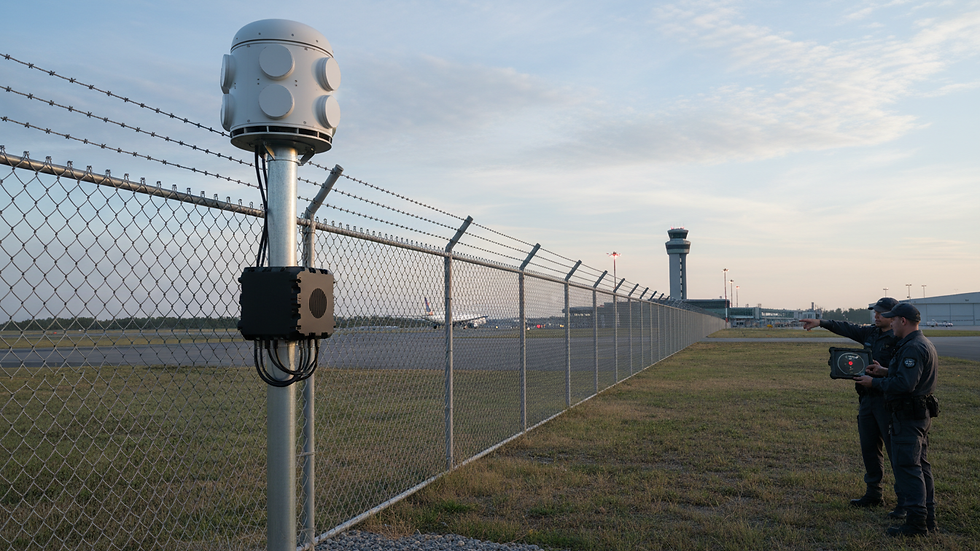
Implementing a Tactical Response with Aerial Defense Systems (ADS)
Aerial Defense Systems (ADS) offers a practical solution for airport drone monitoring by providing reliable, easy-to-deploy detection technology. ADS focuses on delivering real-time awareness and operational control to security teams, enabling them to:
Detect and Track Drones Quickly: ADS systems use a combination of sensors to identify drone activity as soon as it enters protected airspace.
Assess Threat Levels: By analyzing drone behavior and flight patterns, ADS helps prioritize responses based on risk.
Coordinate Response Efforts: Integration with communication and control systems supports coordinated action among security personnel.
Maintain Compliance: ADS solutions are designed to comply with regulatory requirements, ensuring lawful and ethical drone management.
By leveraging ADS technology, airports can enhance their defensive posture against drone threats and protect critical infrastructure effectively.
Best Practices for Deploying Drone Detection at Airports
Successful implementation of airport drone monitoring requires careful planning and adherence to best practices:
Conduct a Risk Assessment: Identify vulnerable areas and potential drone threat scenarios specific to the airport environment.
Select Appropriate Detection Technologies: Choose sensor types that complement each other to maximize detection accuracy.
Train Security Personnel: Ensure teams understand system capabilities and response protocols.
Establish Clear Response Procedures: Define actions to take upon drone detection, including communication with law enforcement and air traffic control.
Regularly Test and Update Systems: Maintain system effectiveness through routine testing and software updates.
Engage with Regulatory Authorities: Coordinate with aviation and security agencies to align monitoring efforts with legal frameworks.
Implementing these practices will help airports maintain a robust defense against unauthorized drone activity.
Enhancing Airspace Security with Trusted Drone Detection Solutions
The integration of drone detection for airports is a critical step toward safeguarding airspace and ensuring operational safety. Reliable detection systems provide security teams with the tools needed to maintain situational awareness, reduce risks, and make informed decisions swiftly.
By prioritizing drone detection and monitoring, airports can:
Protect passengers and staff from potential drone-related incidents.
Minimize operational disruptions caused by unauthorized drone flights.
Support law enforcement and emergency responders with timely intelligence.
Preserve the integrity of critical infrastructure and national security.
Investing in trusted drone detection solutions is an essential component of modern airport security strategies.
Moving Forward with Airport Drone Monitoring
As drone technology continues to evolve, so too must the strategies for managing associated risks. Airport drone monitoring is not a one-time implementation but an ongoing commitment to safety and operational excellence.
Security teams should focus on:
Staying informed about emerging drone threats and detection technologies.
Collaborating with industry partners and regulatory bodies.
Continuously improving detection capabilities and response protocols.
Educating stakeholders on the importance of airspace protection.
By embracing these principles, airports can maintain a secure environment that supports safe and efficient air travel now and into the future.


Comments