.png)
Aerial Defense Systems Companies: Key Players in Airspace Protection Firms

In an era where drone technology is rapidly advancing, the need for robust aerial defense systems has never been more critical. Unauthorized or malicious drone activity poses significant risks to public safety, event security, and critical infrastructure. To address these challenges, specialized airspace protection firms have developed sophisticated solutions that detect, track, and mitigate drone threats in real time. This article explores the key players in the aerial defense systems industry, highlighting their operational value, real-world applications, and the essential role they play in maintaining secure airspace.
The Growing Importance of Airspace Protection Firms
The proliferation of drones has introduced new vulnerabilities across various sectors. Airports, stadiums, power plants, and emergency response operations are increasingly targeted or disrupted by unauthorized drone flights. Airspace protection firms provide the technology and expertise necessary to safeguard these environments.
These companies focus on delivering systems that offer:
Real-time drone detection and tracking
Accurate identification of drone types and operators
Integration with existing security infrastructure
Rapid response capabilities to neutralize threats
By implementing these solutions, organizations can maintain operational control and enhance situational awareness, reducing the risk of drone-related incidents.

Key Technologies Used by Airspace Protection Firms
Airspace protection firms employ a combination of technologies to create comprehensive aerial defense systems. Understanding these technologies helps clarify how these companies deliver effective solutions.
Radar Systems
Radar remains a cornerstone technology for detecting drones at various altitudes and distances. Modern radar systems are optimized to identify small, low-flying objects that traditional radars might miss. They provide early warning and continuous tracking, enabling security teams to monitor drone movements before they become a threat.
Radio Frequency (RF) Detection
RF detection systems scan for the communication signals between drones and their operators. This technology helps pinpoint the drone’s location and can sometimes identify the operator’s position. RF detection is particularly useful in urban environments where visual line-of-sight is limited.
Electro-Optical and Infrared Cameras
Visual confirmation is critical for threat assessment. Electro-optical (EO) and infrared (IR) cameras provide high-resolution imagery and thermal signatures of drones, even in low-light conditions. These cameras support identification and classification, helping operators distinguish between benign and hostile drones.
Acoustic Sensors
Acoustic sensors detect the unique sound signatures of drone motors and propellers. While limited by environmental noise, these sensors add an additional layer of detection, especially in complex operational environments.
Integration and Command Systems
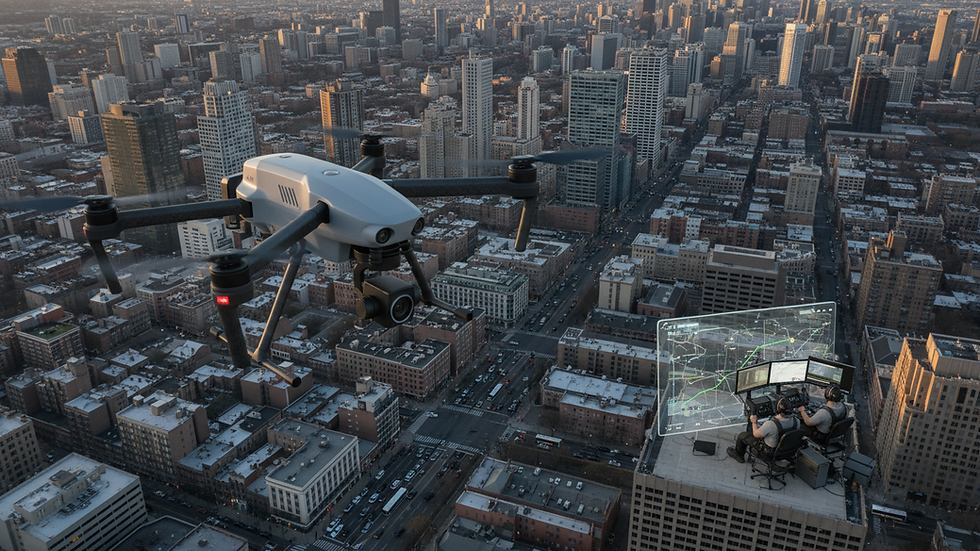
The most effective aerial defense systems integrate these technologies into a unified command and control platform. This integration allows security personnel to receive consolidated alerts, visualize drone activity on maps, and coordinate tactical responses efficiently.
Leading Airspace Protection Firms and Their Operational Impact
Several companies have emerged as leaders in the aerial defense systems market, each contributing unique capabilities and innovations. These firms focus on delivering solutions that meet the stringent requirements of public safety agencies, event security teams, and critical infrastructure operators.
Company A: Comprehensive Detection and Response
Company A specializes in modular drone detection systems that combine radar, RF, and EO/IR sensors. Their platform is designed for rapid deployment and scalability, making it suitable for both temporary events and permanent installations. Real-world use cases include securing large-scale public gatherings and protecting airport perimeters from drone incursions.
Company B: Advanced Signal Intelligence
Focusing on RF detection and signal intelligence, Company B offers solutions that excel in urban environments where drone operators may attempt to evade detection. Their systems provide detailed analytics on drone communication patterns, enabling law enforcement to anticipate and intercept threats before they escalate.
Company C: Integrated Command Solutions
Company C delivers integrated command and control platforms that unify multiple sensor inputs into a single operational picture. Their software supports automated alerts, geofencing, and response protocols, empowering security teams to maintain continuous airspace awareness and execute timely interventions.

Real-World Use Cases Demonstrating the Value of Aerial Defense Systems
Understanding how aerial defense systems perform in operational settings underscores their importance. Here are several scenarios where these systems have proven indispensable:
Airport Security: Unauthorized drones near airports can cause flight delays and pose collision risks. Airspace protection firms provide early detection and tracking, allowing airport security to coordinate with air traffic control and law enforcement to mitigate threats swiftly.
Event Security: Large public events attract drone hobbyists and potential malicious actors. Deploying aerial defense systems ensures that event organizers can monitor and respond to drone activity, protecting attendees and infrastructure.
Critical Infrastructure Protection: Power plants, water treatment facilities, and communication hubs are vulnerable to drone surveillance or attacks. Continuous drone monitoring helps infrastructure managers maintain operational integrity and respond to suspicious activity.
Emergency Response: During natural disasters or public safety incidents, drones can interfere with emergency operations. Aerial defense systems help emergency responders maintain control of the airspace, ensuring safe and effective response efforts.
Selecting the Right Aerial Defense Systems Company for Your Needs
Choosing an aerial defense systems company requires careful consideration of operational requirements, environmental factors, and integration capabilities. Here are key factors to evaluate:
Detection Range and Accuracy: Ensure the system can detect drones at sufficient distances and with minimal false alarms.
Sensor Fusion: Look for solutions that combine multiple detection technologies for comprehensive coverage.
Ease of Deployment: Systems should be easy to install and operate, with minimal training required.
Scalability: The solution should adapt to different site sizes and mission scopes.
Regulatory Compliance: Verify that the system complies with local laws and regulations regarding drone detection and mitigation.
Support and Maintenance: Reliable customer support and regular system updates are essential for long-term effectiveness.
Engaging with a trusted aerial defense systems company ensures access to expert guidance and proven technology tailored to specific security challenges.
Enhancing Operational Control and Safety with Aerial Defense Systems
The ultimate goal of airspace protection firms is to empower security professionals with tools that enhance operational control and safety. By providing real-time awareness of drone activity, these systems enable informed decision-making and rapid tactical responses.
Key benefits include:
Increased Situational Awareness: Continuous monitoring of airspace reduces blind spots and unexpected drone encounters.
Risk Reduction: Early detection allows for proactive measures, minimizing the potential for accidents or security breaches.
Improved Coordination: Integrated platforms facilitate communication between security teams, law enforcement, and emergency responders.
Compliance and Reporting: Detailed logs and analytics support regulatory compliance and post-incident investigations.
Investing in aerial defense systems is a strategic step toward safeguarding critical assets and public safety in an increasingly complex airspace environment.


Comments