.png)
Aerial Defense Systems Companies: Key Players in Airspace Protection Firms

In today’s rapidly evolving security landscape, the threat posed by unauthorized drones has become a critical concern for public safety agencies, event security teams, and critical infrastructure operators. The ability to detect, track, and respond to these aerial threats is essential for maintaining operational control and ensuring safety. This has led to the rise of specialized airspace protection firms that develop and deploy advanced aerial defense systems. These companies provide the tools necessary to enhance situational awareness and enable timely, informed decision-making in complex environments.
Understanding the Role of Airspace Protection Firms
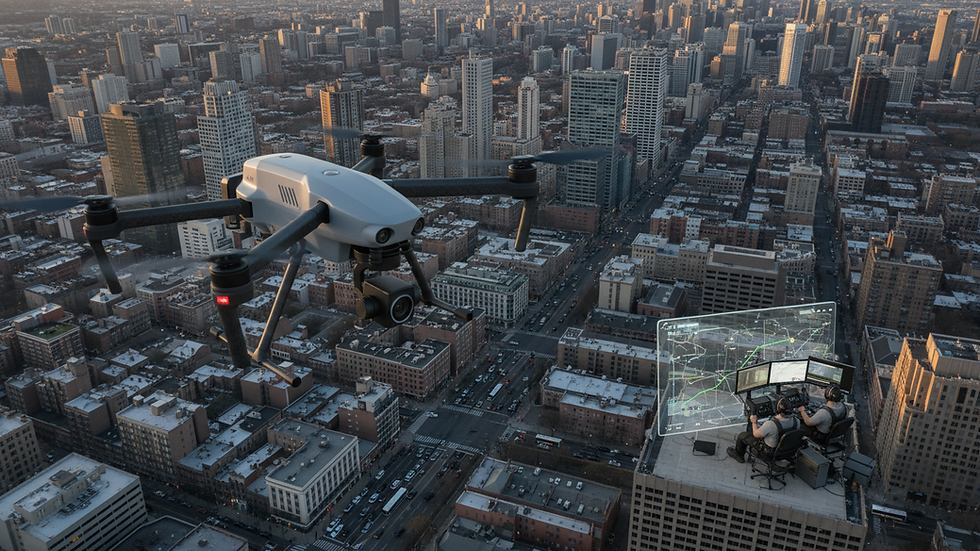
Airspace protection firms focus on delivering comprehensive solutions to monitor and secure controlled airspace from unauthorized drone activity. Their systems integrate multiple detection technologies such as radar, radio frequency (RF) sensors, and electro-optical/infrared (EO/IR) cameras to provide real-time awareness of drone presence. This multi-layered approach is critical for identifying potential threats early and accurately.
For example, during large public events, these firms enable security teams to detect drones that could be used for surveillance or to disrupt operations. Similarly, critical infrastructure operators rely on these systems to prevent drones from interfering with sensitive facilities such as power plants, airports, and government buildings. The operational value lies in the ability to maintain a clear picture of the airspace, allowing for rapid tactical responses that mitigate risk.

Key Technologies Employed by Airspace Protection Firms
Airspace protection firms utilize a combination of technologies to ensure comprehensive drone detection and tracking:
Radar Systems: These provide wide-area coverage and can detect drones at various altitudes and distances. Radar is effective in identifying moving objects but may require integration with other sensors for classification.
Radio Frequency (RF) Detection: RF sensors monitor the communication signals between drones and their operators. This technology helps identify drone types and can detect drones even when they are not visible.
Electro-Optical/Infrared (EO/IR) Cameras: These cameras offer visual confirmation and tracking capabilities, especially useful in low-light or complex environments.
Acoustic Sensors: Some systems incorporate acoustic detection to identify drone propeller noise, adding another layer of detection.
By combining these technologies, airspace protection firms create a robust detection network that reduces false alarms and improves the accuracy of threat identification. This integration supports security teams in maintaining operational control and responding effectively to drone incursions.
Leading Airspace Protection Firms and Their Operational Impact
Several companies have established themselves as leaders in the aerial defense systems market, providing solutions tailored to the needs of public safety and security professionals. These firms focus on delivering reliable, scalable, and user-friendly systems that can be rapidly deployed in diverse environments.
One notable example is Aerial Defense Systems, an aerial defense systems company that specializes in drone detection and tracking solutions. Their technology is designed to enhance situational awareness for law enforcement, emergency responders, and event security teams. By providing real-time data on drone activity, their systems enable users to make informed decisions that protect people and assets.
Other key players in the industry offer similar capabilities, emphasizing ease of integration with existing security infrastructure and compliance with regulatory requirements. These companies often provide customizable solutions that can be adapted to specific operational needs, whether for a single event or ongoing protection of critical infrastructure.

Real-World Use Cases Demonstrating the Value of Aerial Defense Systems
The practical application of aerial defense systems is evident in various scenarios where drone threats have been successfully mitigated:
Public Events: Large gatherings such as concerts, sports events, and political rallies are vulnerable to drone disruptions. Airspace protection firms provide event security teams with tools to detect unauthorized drones early, allowing for swift intervention and minimizing risk to attendees.
Critical Infrastructure Protection: Facilities like airports, power plants, and government buildings require constant vigilance. Aerial defense systems help operators monitor airspace and prevent drones from entering restricted zones, reducing the risk of espionage, sabotage, or accidents.
Emergency Response: During natural disasters or emergency situations, drones can pose additional hazards. Emergency management agencies use aerial defense systems to maintain airspace safety, ensuring that rescue and relief operations proceed without interference.
These examples highlight the operational control and real-time awareness that airspace protection firms provide. Their solutions are not just about detection but about enabling actionable intelligence that supports mission-critical decisions.
Best Practices for Implementing Aerial Defense Systems
To maximize the effectiveness of aerial defense systems, organizations should consider the following best practices:
Conduct a Risk Assessment: Understand the specific drone threat scenarios relevant to the location or event. This helps tailor the system configuration and sensor placement.
Integrate with Existing Security Infrastructure: Ensure that the aerial defense system can communicate with other security tools such as access control, video surveillance, and command centers.
Train Personnel: Operators should be trained not only on system use but also on interpreting data and executing response protocols.
Establish Clear Response Procedures: Define roles and actions to be taken when a drone threat is detected, including coordination with law enforcement or regulatory agencies.
Regularly Update and Maintain Systems: Keep software and hardware up to date to address evolving drone technologies and threat tactics.
By following these guidelines, organizations can enhance their airspace security posture and reduce vulnerabilities associated with unauthorized drone activity.
Enhancing Safety and Security with Trusted Airspace Protection Firms
The increasing prevalence of drones in both commercial and recreational contexts necessitates a proactive approach to airspace security. Trusted airspace protection firms provide the expertise and technology needed to detect, track, and respond to drone threats effectively. Their solutions empower security professionals with real-time awareness and operational control, which are essential for safeguarding people, property, and critical infrastructure.
Choosing the right partner in this field means prioritizing reliability, ease of deployment, and comprehensive coverage. The integration of advanced detection technologies and actionable intelligence supports safer decision-making and risk reduction in complex environments. As drone threats continue to evolve, collaboration with experienced aerial defense systems companies will remain a cornerstone of effective airspace protection strategies.


Comments