.png)
Exploring Constant Drone Monitoring Solutions: Enhancing Airspace Security

Unmanned aerial vehicles, commonly known as drones, have become increasingly prevalent across various sectors. While they offer numerous benefits, their unauthorized or malicious use poses significant risks to public safety, critical infrastructure, and event security. To address these challenges, constant drone monitoring solutions have emerged as essential tools for real-time detection, tracking, and response. This article explores the operational value of these systems, practical deployment considerations, and how they support safer decision-making in complex environments.
The Growing Need for Constant Drone Monitoring Solutions
The rapid adoption of drones has introduced new security challenges. Unauthorized drones can disrupt emergency response efforts, compromise sensitive sites, and create hazards at large public gatherings. For example, drones flying near airports can cause flight delays or accidents, while those hovering over critical infrastructure may facilitate espionage or sabotage.
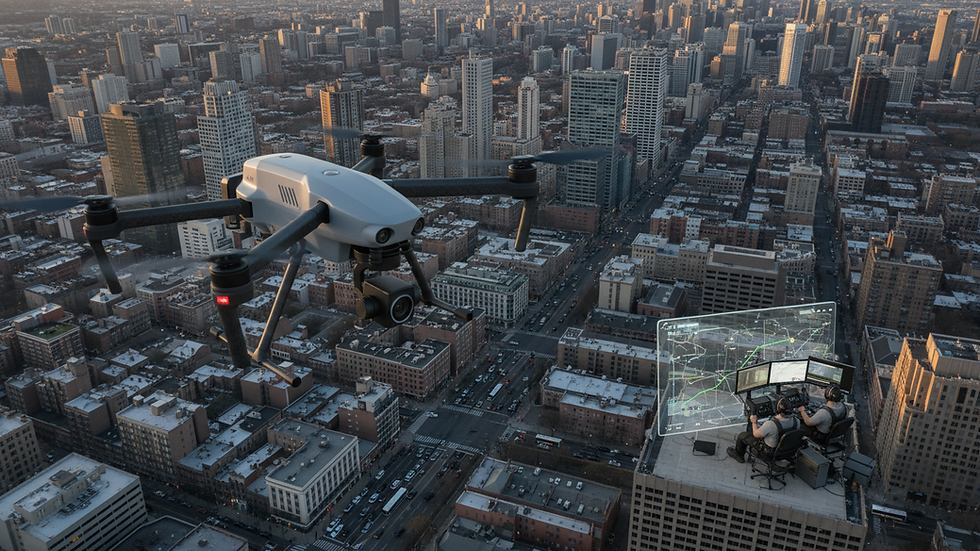
Constant drone monitoring solutions provide continuous surveillance of designated airspace, enabling security teams to detect and assess drone activity promptly. These systems integrate multiple sensor technologies such as radar, radio frequency (RF) detection, and electro-optical/infrared (EO/IR) cameras to deliver comprehensive situational awareness.
Key benefits include:
Real-time alerts to unauthorized drone presence
Accurate tracking of drone location, speed, and altitude
Identification of drone operators through RF signal analysis
Integration with existing security infrastructure for coordinated response
By maintaining persistent vigilance, these solutions empower security personnel to mitigate threats before they escalate.

Operational Scenarios Where Constant Drone Monitoring Solutions Excel
Understanding real-world applications helps clarify the critical role of constant drone monitoring solutions. Below are several scenarios where these systems provide tangible operational advantages:
Event Security
Large-scale events such as concerts, sports games, and political rallies attract significant crowds and media attention. Unauthorized drones can disrupt these events by capturing sensitive footage, dropping contraband, or causing panic. Constant monitoring allows security teams to detect drones early, assess their intent, and coordinate rapid intervention.
Critical Infrastructure Protection
Facilities like power plants, water treatment centers, and communication hubs are attractive targets for drone-based threats. Persistent drone detection enables infrastructure managers to maintain a secure perimeter, preventing reconnaissance or attacks that could disrupt essential services.
Airport and Airspace Safety
Airports face heightened risks from drones interfering with aircraft operations. Constant drone monitoring solutions provide air traffic controllers and security teams with timely alerts, helping to prevent collisions and maintain safe flight paths.
Emergency Response Support
During natural disasters or large-scale emergencies, drones may be used for reconnaissance or by unauthorized individuals. Monitoring airspace ensures emergency responders can operate safely without interference, while also identifying potential threats.
These examples demonstrate how constant drone monitoring solutions enhance operational control and situational awareness across diverse environments.
Key Components and Technologies in Drone Detection Systems
Effective constant drone monitoring solutions rely on a combination of sensor technologies, each contributing unique capabilities:
Radar Systems: Detect and track drones based on their movement and size. Radars are effective in various weather conditions and provide broad coverage.
Radio Frequency (RF) Detectors: Identify communication signals between drones and their operators. RF detection helps pinpoint the source of drone control.
Electro-Optical/Infrared (EO/IR) Cameras: Provide visual confirmation and tracking, especially useful for identifying drone models and payloads.
Acoustic Sensors: Detect drone noise signatures, supplementing other detection methods in complex environments.
Integration of these sensors into a unified platform allows for cross-verification, reducing false alarms and improving detection accuracy. Additionally, advanced software analytics enable automated classification and threat assessment.

Deployment Considerations for Permanent Drone Detection Systems
Deploying a permanent drone detection system requires careful planning to maximize effectiveness and operational value. Key factors include:
Site Assessment
Understanding the specific environment is critical. Factors such as terrain, existing infrastructure, and typical drone activity patterns influence sensor placement and system configuration.
Coverage and Range
Determining the required detection radius ensures that the system provides early warning without blind spots. Overlapping sensor fields may be necessary for comprehensive coverage.
Integration with Security Operations
The system should seamlessly integrate with existing command and control centers, enabling security personnel to receive alerts and coordinate responses efficiently.
Scalability and Flexibility
As drone threats evolve, the detection system should be adaptable to new technologies and expanding operational needs.
Compliance and Privacy
Ensuring the system complies with local regulations and respects privacy concerns is essential for lawful and ethical operation.
By addressing these considerations, organizations can deploy reliable, mission-focused drone detection solutions that enhance airspace security.
Enhancing Operational Control and Response with Drone Detection
Beyond detection, constant drone monitoring solutions support proactive decision-making and tactical response. Features that enhance operational control include:
Real-Time Data Visualization: Interactive maps and dashboards provide clear situational awareness.
Automated Alerts: Immediate notifications enable rapid action.
Operator Identification: Locating drone pilots facilitates law enforcement intervention.
Historical Data Logging: Records support incident analysis and legal proceedings.
These capabilities allow security teams to prioritize threats, allocate resources effectively, and maintain control over their airspace.
Building Trust Through Reliable Drone Detection
For public safety agencies, event security teams, and infrastructure operators, trust in drone detection technology is paramount. Reliable systems reduce uncertainty and enable confident decision-making. To build this trust, organizations should:
Choose solutions with proven performance in operational environments.
Conduct regular system testing and maintenance.
Train personnel on system capabilities and response protocols.
Collaborate with local authorities and stakeholders to align strategies.
By fostering a culture of preparedness and transparency, organizations can leverage constant drone monitoring solutions to safeguard their missions and communities.
Future Outlook: Evolving Challenges and Solutions
As drone technology advances, so do the tactics used by malicious actors. Future drone detection systems will need to incorporate:
Enhanced artificial intelligence for improved threat classification.
Counter-drone capabilities integrated with detection for active mitigation.
Expanded sensor fusion for greater accuracy in complex environments.
Staying ahead of emerging threats requires ongoing investment in technology and training. Constant drone monitoring solutions will remain a cornerstone of airspace security strategies.
By implementing comprehensive, reliable, and mission-driven constant drone monitoring solutions, organizations can effectively manage drone-related risks. These systems provide the operational awareness and control necessary to protect people, property, and critical infrastructure in an increasingly complex aerial landscape.


Comments