.png)
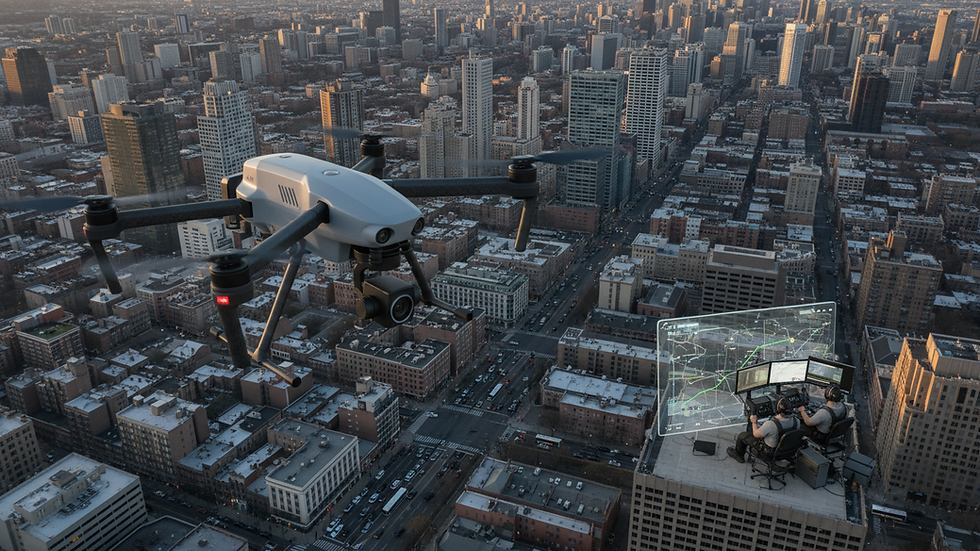
Effective Drone Monitoring for Secure Operations

In today’s rapidly evolving security landscape, the presence of drones presents both opportunities and challenges. While drones can support public safety and emergency response efforts, unauthorized or malicious drone activity poses significant risks to critical infrastructure, large events, and sensitive operations. Effective drone monitoring is essential to maintain situational awareness, mitigate threats, and ensure operational control. This article explores practical strategies and real-world applications for securing airspace through reliable drone detection and response.
The Importance of Drone Monitoring in Security Operations
The increasing accessibility and affordability of drones have led to a surge in their use across various sectors. However, this growth also introduces vulnerabilities. Unauthorized drones can disrupt emergency response, compromise event security, and threaten critical infrastructure such as power plants, airports, and government facilities.
Drone monitoring provides a tactical advantage by enabling security teams to detect, track, and analyze drone activity in real time. This capability supports informed decision-making and rapid response, reducing the risk of incidents escalating into serious threats. For example, during large public events, drone monitoring helps identify unauthorized aerial devices that could be used for surveillance or to deliver harmful payloads.
Implementing a comprehensive drone monitoring system involves integrating radar, radio frequency (RF) detection, and optical sensors to cover multiple detection vectors. This layered approach enhances detection accuracy and reduces false alarms, ensuring that security personnel can focus on genuine threats.

Key Components of Effective Drone Monitoring
Successful drone monitoring relies on several critical components working in harmony:
Detection Sensors
Radar systems scan the airspace for moving objects, identifying drones based on size and flight patterns.
RF sensors detect communication signals between drones and their operators, providing early warning of drone presence.
Optical and infrared cameras offer visual confirmation and tracking, especially useful for identifying drone models and payloads.
Data Fusion and Analysis
Combining data from multiple sensors allows for a comprehensive picture of drone activity. Advanced software analyzes flight paths, speed, and behavior to distinguish between benign and potentially hostile drones.
Real-Time Alerts and Visualization
Security teams receive immediate notifications of drone incursions through user-friendly interfaces. Visual maps and tracking displays help operators maintain situational awareness and coordinate responses.
Integration with Security Protocols
Drone monitoring systems should seamlessly integrate with existing security infrastructure, including access control, surveillance cameras, and communication networks. This integration enables coordinated action and efficient resource deployment.
Legal and Regulatory Compliance
Monitoring operations must comply with local and federal regulations governing airspace and privacy. Understanding these rules ensures lawful and ethical use of drone detection technologies.
How do I stop drones from flying over my property?
Preventing unauthorized drones from entering protected airspace requires a combination of detection, deterrence, and response strategies. While physical barriers are ineffective against aerial threats, technology-driven solutions offer practical options:
Establish No-Fly Zones
Coordinate with aviation authorities to designate restricted airspace over sensitive sites. Publicize these zones to deter drone operators.
Deploy Detection Systems
Use radar, RF, and optical sensors to identify drones early. Early detection allows security teams to assess intent and prepare countermeasures.
Implement Counter-Drone Measures
Depending on legal permissions, options include signal jamming, drone capture nets, or directed energy systems. These tools neutralize threats but require trained operators and strict adherence to regulations.
Engage Law Enforcement
When unauthorized drone activity is detected, promptly notify law enforcement agencies. They can investigate and take enforcement action against violators.
Educate the Public and Staff
Raise awareness about drone risks and reporting procedures. Encourage vigilance and timely communication of suspicious drone activity.
By combining these approaches, organizations can significantly reduce the risk of drone incursions and maintain control over their airspace.

Real-World Use Cases Demonstrating Operational Value
Several sectors have successfully integrated drone monitoring to enhance security and safety:
Public Safety Agencies
Police and fire departments use drone detection to protect incident scenes from interference. For example, during wildfire response, monitoring prevents drones from entering airspace reserved for firefighting aircraft, reducing collision risks.
Event Security Teams
Large-scale events such as concerts and sports games deploy drone monitoring to prevent unauthorized aerial surveillance or potential attacks. Real-time alerts enable rapid intervention and evacuation if necessary.
Critical Infrastructure Operators
Facilities like power plants and water treatment centers face threats from drones used for espionage or sabotage. Continuous drone monitoring provides early warning and supports coordinated security responses.
Airport Security
Airports implement drone detection to safeguard runways and flight paths. Monitoring helps prevent disruptions and ensures compliance with aviation safety regulations.
These examples highlight how drone monitoring enhances operational control, reduces risk, and supports mission-critical decisions.
Best Practices for Implementing Drone Monitoring Solutions
To maximize the effectiveness of drone monitoring, organizations should follow these guidelines:
Conduct a Risk Assessment
Identify vulnerable areas and potential drone threat scenarios. Tailor monitoring solutions to address specific risks.
Choose Scalable and Modular Systems
Select technologies that can expand as needs evolve. Modular systems allow integration of new sensors and capabilities.
Train Personnel Thoroughly
Ensure operators understand system functions, threat identification, and response protocols. Regular drills improve readiness.
Maintain System Reliability
Perform routine maintenance and software updates. Reliable operation is critical for continuous airspace protection.
Establish Clear Response Procedures
Define roles, communication channels, and escalation steps. Coordination with law enforcement and regulatory bodies is essential.
Respect Privacy and Legal Boundaries
Implement monitoring in compliance with laws to avoid legal challenges and maintain public trust.
By adhering to these best practices, organizations can build robust drone monitoring programs that deliver consistent security benefits.
Enhancing Situational Awareness and Operational Control
Effective drone monitoring is not just about detection; it is about empowering security teams with actionable intelligence. Real-time awareness enables proactive measures rather than reactive responses. When operators can see drone activity as it unfolds, they can:
Prioritize threats based on behavior and proximity
Allocate resources efficiently to areas of concern
Communicate timely warnings to personnel and the public
Coordinate with external agencies for rapid intervention
This level of operational control is vital for maintaining safety in complex environments. It also builds confidence among stakeholders that airspace is protected against emerging drone threats.
Incorporating drone monitoring into security protocols strengthens the overall defense posture and supports safer, more effective operations.
Effective drone monitoring is a critical component of modern security strategies. By leveraging advanced detection technologies, integrating systems, and following best practices, organizations can safeguard their airspace against unauthorized drones. This proactive approach enhances situational awareness, reduces risk, and supports mission success across public safety, event security, and critical infrastructure protection.


Comments