.png)
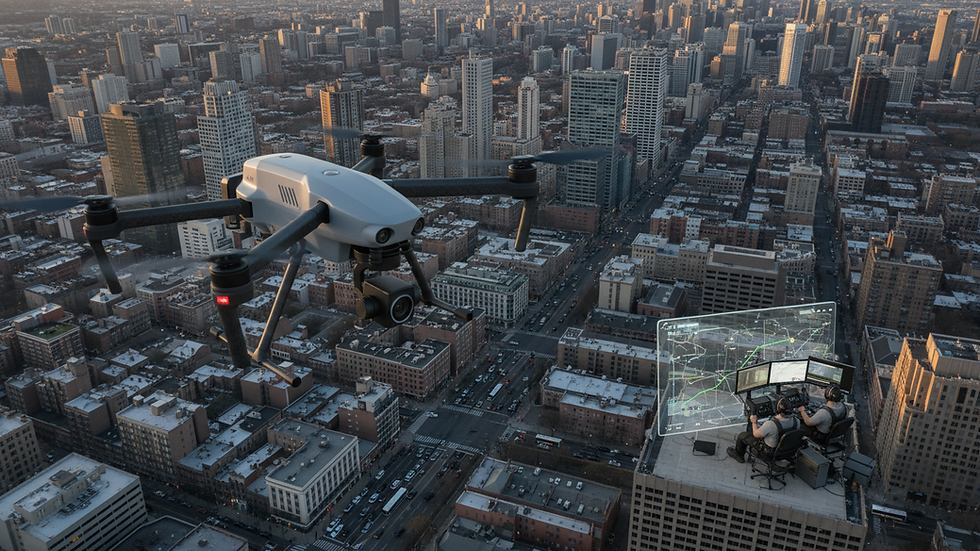
Effective Drone Monitoring for Secure Operations

In today’s complex security environment, maintaining control over airspace is critical for public safety agencies, event security teams, emergency responders, and infrastructure managers. Unauthorized or hostile drone activity can pose significant risks, from privacy violations to threats against critical infrastructure and public events. Effective drone monitoring is essential to detect, track, and respond to these threats in real time, ensuring operational safety and situational awareness.
The Importance of Drone Monitoring in Security Operations
Drones have become increasingly accessible and capable, making them a double-edged sword. While they offer valuable tools for surveillance and inspection, they also introduce new vulnerabilities. Security professionals must be equipped with reliable systems to identify unauthorized drones quickly and accurately.
Key reasons why drone monitoring is vital include:
Early Detection: Identifying drones before they enter sensitive airspace allows for timely response.
Threat Assessment: Understanding drone type, flight path, and intent helps prioritize actions.
Operational Control: Maintaining awareness of all aerial activity supports coordinated security efforts.
Risk Reduction: Preventing drone interference reduces the chance of accidents or malicious acts.
For example, during large public events, drones can disrupt crowd control or capture sensitive footage. In critical infrastructure settings, drones may be used for espionage or sabotage. Effective drone monitoring provides the necessary data to mitigate these risks.

Implementing Drone Monitoring: Practical Guidance for Security Teams
Deploying an effective drone monitoring system requires a clear understanding of operational needs and environmental factors. Here are practical steps to consider:
Assess Vulnerabilities: Identify areas where drone threats are most likely, such as stadiums, power plants, or emergency scenes.
Select Appropriate Technology: Choose detection tools that fit the environment—radar, radio frequency (RF) sensors, acoustic detectors, or a combination.
Integrate with Existing Systems: Ensure drone monitoring data feeds into command centers and security networks for real-time awareness.
Train Personnel: Equip operators with knowledge to interpret alerts and respond appropriately.
Establish Response Protocols: Define clear actions for drone incursions, including communication with law enforcement or airspace authorities.
A layered approach combining multiple sensor types enhances detection accuracy and reduces false alarms. For instance, RF sensors can identify drone control signals, while radar tracks physical movement. This multi-sensor fusion supports confident decision-making.
How do I stop drones from flying over my property?
Stopping unauthorized drones requires both detection and response capabilities. Here are effective strategies:
Physical Barriers: While limited in scope, nets or jamming devices can deter drones in specific zones.
Legal Measures: Work with local authorities to enforce no-fly zones and prosecute violations.
Active Countermeasures: Employ technology that can disrupt drone control signals or safely capture drones.
Awareness and Reporting: Encourage staff to report drone sightings promptly to security teams.
It is important to note that many counter-drone technologies are regulated and must be used in compliance with local laws. The first step is always to detect and identify the drone accurately before taking action.

Real-World Use Cases Demonstrating Operational Value
Several scenarios highlight the critical role of drone monitoring in enhancing security:
Public Safety Events: During large gatherings, drone monitoring helps prevent unauthorized aerial photography and potential threats, allowing security teams to focus on crowd safety.
Critical Infrastructure Protection: Power plants, water treatment facilities, and transportation hubs benefit from continuous drone surveillance to detect reconnaissance or sabotage attempts.
Emergency Response: In disaster zones, drone monitoring ensures that rescue operations are not compromised by unauthorized drones, which can interfere with manned aircraft.
Airport Security: Monitoring airspace around airports prevents drone incursions that could disrupt flight operations or cause accidents.
In each case, the ability to detect and track drones in real time supports proactive security measures and informed decision-making.
Enhancing Situational Awareness and Operational Control
Effective drone monitoring is not just about detection; it is about providing actionable intelligence. Systems should deliver:
Real-Time Alerts: Immediate notification of drone presence with location and trajectory.
Identification Data: Information on drone type, size, and control signals.
Historical Records: Logs of drone activity to support investigations and trend analysis.
User-Friendly Interfaces: Clear displays that allow operators to quickly assess threats.
By integrating drone monitoring into broader security operations, teams gain a comprehensive picture of their airspace. This situational awareness enables faster, more effective responses and reduces the risk of surprise incidents.
Building Trust Through Reliable Drone Monitoring Solutions
Security professionals require tools they can depend on under pressure. Reliability, ease of deployment, and minimal false alarms are essential features. Solutions should be designed with the end user in mind, providing straightforward installation and intuitive operation.
Trust is built through consistent performance and support. When security teams know their drone monitoring system will alert them accurately and promptly, they can focus on their mission with confidence.
Effective drone monitoring is a critical component of modern security operations. By detecting and understanding drone activity, security teams can protect people, property, and infrastructure from emerging aerial threats. Implementing reliable, real-time monitoring solutions enhances situational awareness, supports rapid response, and ultimately contributes to safer environments.
For organizations seeking to strengthen their airspace security, investing in proven drone detection technology is a strategic step toward operational control and risk reduction.
For more information on how to enhance your security posture with advanced drone monitoring, explore trusted solutions designed for public safety and critical infrastructure protection.


Comments