.png)
Comprehensive Guide to Effective Drone Protection

Unmanned aerial vehicles, commonly known as drones, have become increasingly prevalent across various sectors. While they offer significant operational benefits, they also pose unique security challenges. For public safety agencies, event security teams, emergency responders, and critical infrastructure operators, understanding how to effectively manage and mitigate drone-related risks is essential. This guide provides a detailed overview of drone threats, practical strategies for detection and response, and actionable recommendations to enhance airspace security.
Understanding the Need for Effective Drone Protection
Drones can be used for legitimate purposes such as aerial photography, surveying, and emergency response. However, unauthorized or malicious drone activity can disrupt operations, compromise safety, and threaten sensitive sites. Examples include:
Unauthorized surveillance of critical infrastructure or private property.
Interference with emergency response efforts during natural disasters or large public events.
Delivery of contraband into secure facilities such as prisons.
Potential use in terrorist activities or other criminal acts.
Given these risks, organizations must implement comprehensive drone protection measures that provide real-time awareness and operational control. This involves integrating detection technologies, establishing response protocols, and training personnel to handle drone incidents effectively.

Key Components of Effective Drone Protection
Effective drone protection relies on a multi-layered approach combining technology, policy, and operational readiness. The following components are critical:
1. Detection and Tracking
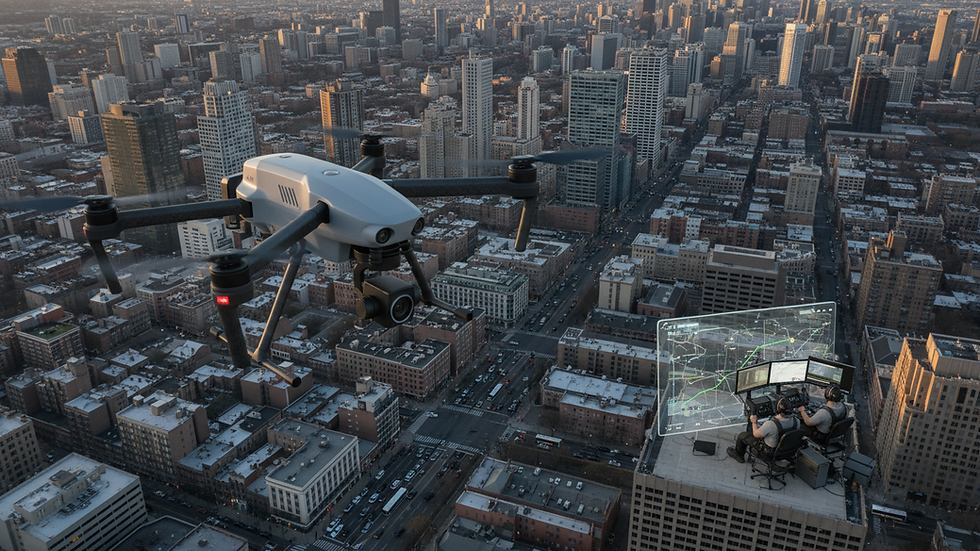
Early detection is vital to prevent unauthorized drone incursions. Detection systems use a combination of radar, radio frequency (RF) sensors, acoustic sensors, and optical cameras to identify and track drones in real time. These technologies provide:
Accurate location data to pinpoint drone position and trajectory.
Identification of drone type and operator signals to assess intent.
Continuous monitoring to maintain situational awareness.
2. Identification and Classification
Once detected, drones must be classified to determine if they pose a threat. This involves analyzing flight patterns, payloads, and operator behavior. Advanced systems can differentiate between commercial drones, hobbyist models, and potentially hostile devices.
3. Response and Mitigation
Response options depend on the threat level and operational context. Common mitigation techniques include:
Alerting security personnel to initiate manual intervention.
Deploying counter-drone technologies such as jamming or net capture systems where legally permissible.
Coordinating with law enforcement for drone interdiction and investigation.
4. Policy and Training
Clear policies and standard operating procedures ensure consistent and lawful responses. Training personnel on drone threat recognition, system operation, and emergency protocols enhances readiness and reduces response times.
How do I stop a drone from flying over my property?
Stopping unauthorized drones from entering restricted airspace requires a combination of detection, deterrence, and legal measures. Here are practical steps:
Deploy Detection Systems: Install radar, RF, or acoustic sensors to monitor airspace continuously. Early detection allows for timely response.
Use Geofencing Technology: Some drones can be programmed to avoid no-fly zones using GPS-based geofencing. Encouraging or requiring drone operators to use this technology reduces accidental incursions.
Implement Physical Barriers: For smaller properties, physical deterrents such as netting or overhead canopies may prevent drones from flying low over sensitive areas.
Engage Law Enforcement: Report unauthorized drone activity to local authorities. Many jurisdictions have laws against flying drones over private property without permission.
Consider Counter-Drone Solutions: Where legal, deploy jamming or interception technologies to neutralize threats. These systems should be used cautiously to avoid interference with other communications.
It is important to balance security needs with legal restrictions and privacy considerations when implementing drone countermeasures.

Real-World Use Cases Demonstrating Operational Value
Several sectors have successfully integrated drone protection strategies to enhance safety and security:
Public Safety Agencies: Police departments use drone detection to monitor large public gatherings, preventing unauthorized drone flights that could disrupt crowd control or emergency operations.
Event Security Teams: At major sporting events and concerts, drone detection systems provide early warnings of potential aerial threats, allowing security teams to respond swiftly.
Critical Infrastructure Operators: Facilities such as power plants and water treatment centers employ drone monitoring to safeguard against espionage or sabotage attempts.
Airport Security: Airports utilize integrated detection and response systems to prevent drone incursions that could endanger aircraft during takeoff and landing.
These examples highlight the importance of reliable, easy-to-deploy solutions that enhance situational awareness and support informed decision-making.
Best Practices for Implementing Drone Protection Solutions
To maximize the effectiveness of drone protection efforts, organizations should consider the following best practices:
Conduct Risk Assessments: Identify vulnerable areas and potential drone threat scenarios specific to the operational environment.
Select Appropriate Technologies: Choose detection and mitigation tools that align with mission requirements, budget, and legal frameworks.
Integrate Systems: Ensure drone detection integrates with existing security infrastructure such as CCTV, access control, and communication networks.
Develop Clear Protocols: Establish procedures for detection, verification, escalation, and response to drone incidents.
Train Personnel Regularly: Provide ongoing training to maintain proficiency in system operation and incident management.
Engage Stakeholders: Collaborate with local authorities, regulatory bodies, and community partners to ensure coordinated responses.
Stay Informed on Regulations: Keep up to date with evolving drone laws and compliance requirements.
By following these guidelines, organizations can build resilient defenses against drone threats and maintain control over their airspace.
Enhancing Situational Awareness with Aerial Defense Systems
Aerial Defense Systems (ADS) offers advanced drone detection solutions designed to meet the needs of public safety agencies, event organizers, and critical infrastructure operators. ADS technology provides:
Real-time drone detection and tracking with high accuracy.
User-friendly interfaces for rapid threat assessment.
Scalable deployment options suitable for various operational environments.
Integration capabilities with existing security systems.
Implementing ADS solutions empowers organizations to maintain operational control, reduce risk, and make safer decisions in the face of evolving drone threats. For those seeking reliable and effective drone protection, ADS represents a trusted tactical response.
Effective drone protection is no longer optional but a critical component of modern security operations. By understanding the threat landscape, deploying appropriate technologies, and establishing clear response protocols, organizations can safeguard their airspace and maintain mission integrity. Continuous vigilance and adaptation to emerging drone technologies will ensure preparedness for future challenges.


Comments