.png)
Comprehensive Drone Security Solutions for Businesses

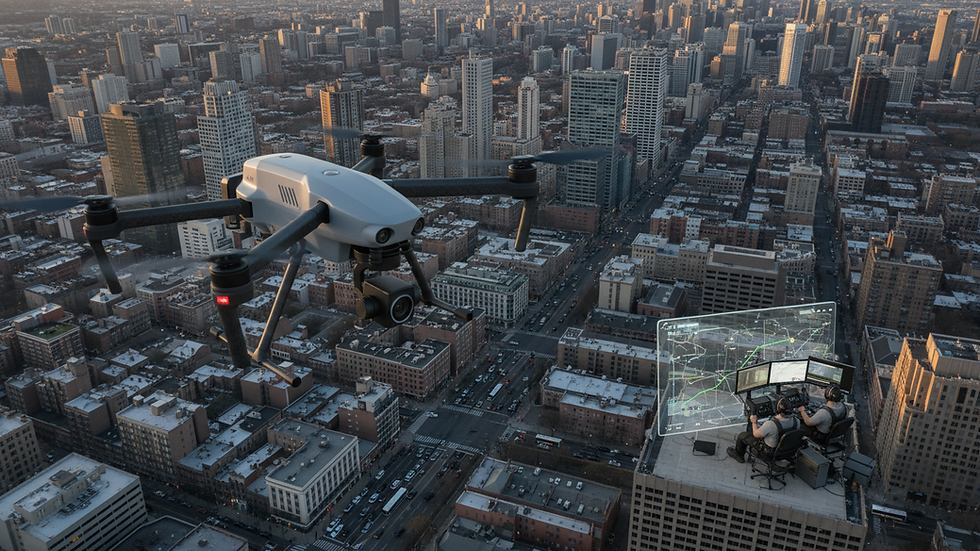
Unmanned aerial vehicles, commonly known as drones, have become increasingly prevalent across various sectors. While they offer numerous benefits, they also introduce new security challenges. Businesses and organizations responsible for public safety, event security, emergency response, and critical infrastructure management must address these challenges proactively. Effective drone security solutions are essential to detect, track, and mitigate unauthorized or malicious drone activity, ensuring operational safety and situational awareness.
Understanding Drone Security Solutions
Drone security solutions encompass a range of technologies and strategies designed to monitor and control drone activity within a designated airspace. These solutions provide real-time detection, identification, and response capabilities to counter potential threats posed by unauthorized drones. The primary goal is to maintain operational control and protect sensitive areas from intrusion, espionage, or disruption.
A comprehensive drone security system typically integrates radar, radio frequency (RF) detection, electro-optical (EO) and infrared (IR) cameras, and advanced analytics. This multi-layered approach enhances detection accuracy and reduces false alarms. For example, radar systems can detect drones at long ranges, while EO/IR cameras provide visual confirmation and tracking. RF sensors identify communication signals between drones and their operators, offering insights into intent and control.
Implementing these technologies allows security teams to maintain continuous airspace awareness, enabling timely and informed decision-making. This is particularly critical for event security teams managing large crowds, airport security personnel safeguarding restricted zones, and infrastructure operators protecting vital assets.

Key Threat Scenarios Addressed by Drone Security Solutions
Unauthorized drones can pose significant risks across various operational environments. Understanding these threat scenarios helps organizations tailor their drone security strategies effectively.
Surveillance and Espionage: Drones equipped with cameras can capture sensitive information or monitor critical infrastructure without authorization. This is a concern for power plants, data centers, and government facilities.
Smuggling and Contraband Delivery: In correctional facilities or border areas, drones may be used to transport prohibited items, bypassing traditional security measures.
Disruption of Public Events: Unauthorized drones flying over concerts, sports events, or political gatherings can cause safety hazards, panic, or interruptions.
Physical Threats: Drones carrying hazardous materials or explosives represent a direct threat to public safety and infrastructure.
Interference with Emergency Operations: Drones operating near firefighting or rescue missions can endanger responders and delay critical actions.
Each of these scenarios demands a tailored response capability. Reliable drone security solutions provide early warning and actionable intelligence, enabling security teams to neutralize threats before escalation.
What is the 80 20 rule for drones?
The 80 20 rule, often referenced in drone security, suggests that approximately 80% of drone-related incidents or threats come from a small subset of operators or drone types. This principle helps prioritize resources and response efforts by focusing on the most likely sources of risk.
For example, many unauthorized drone flights are conducted by hobbyists or individuals unaware of airspace restrictions. These operators may inadvertently cause safety issues but can often be managed through education and enforcement. Conversely, the remaining 20% of drone activity involves deliberate or sophisticated threats requiring advanced detection and interdiction measures.
Understanding this distribution allows security teams to allocate attention efficiently. Basic drone detection systems may suffice for routine monitoring, while high-risk environments demand integrated solutions capable of identifying and responding to malicious actors swiftly.
Operational Value of Integrated Drone Security Systems
Deploying an integrated drone security system delivers several operational benefits that enhance safety and control.
Real-Time Awareness: Continuous monitoring provides immediate alerts on drone presence, enabling rapid assessment and response.
Accurate Identification: Combining radar, RF, and visual sensors reduces false positives and confirms drone type and operator intent.
Scalable Deployment: Systems can be tailored to cover small venues or expansive infrastructure sites, adapting to evolving security needs.
Data-Driven Decision Making: Detailed logs and analytics support incident investigation and future risk mitigation planning.
Seamless Integration: Modern solutions can interface with existing security infrastructure, such as CCTV networks and command centers.
For instance, during a large public event, security personnel can use drone detection data to coordinate with law enforcement and air traffic control, ensuring a coordinated response. Similarly, critical infrastructure operators can automate alerts to trigger lockdown procedures or deploy countermeasures when unauthorized drones are detected.

Practical Recommendations for Implementing Drone Security
To maximize the effectiveness of drone security solutions, organizations should consider the following best practices:
Conduct a Risk Assessment: Identify vulnerable areas, potential drone threat vectors, and operational priorities.
Select Multi-Sensor Systems: Use a combination of radar, RF, and EO/IR sensors to improve detection reliability.
Establish Clear Protocols: Define roles, communication channels, and response procedures for drone incidents.
Train Personnel: Ensure security teams understand system capabilities and can interpret alerts accurately.
Engage with Authorities: Coordinate with local law enforcement and aviation regulators to support enforcement actions.
Regularly Update Systems: Keep software and hardware current to address emerging drone technologies and tactics.
Test and Drill: Conduct exercises simulating drone threats to validate readiness and refine response plans.
By following these steps, organizations can build a resilient drone security posture that supports operational continuity and public safety.
Enhancing Airspace Control with Trusted Partners
Effective drone security is not solely about technology; it also depends on trusted partnerships and reliable solutions. Aerial Defense Systems (ADS) specializes in providing easy-to-deploy drone detection solutions tailored to the needs of public safety agencies, event organizers, and critical infrastructure operators. Their systems enhance situational awareness, reduce risk, and empower decision-makers with actionable intelligence.
Leveraging proven drone solutions from experienced providers ensures that organizations benefit from cutting-edge technology combined with expert support. This partnership approach fosters confidence in airspace control and strengthens overall security frameworks.
Implementing comprehensive drone security solutions is essential for protecting sensitive environments from evolving aerial threats. By integrating advanced detection technologies, establishing clear operational protocols, and collaborating with trusted partners, organizations can maintain control over their airspace and safeguard their missions effectively.


Comments