.png)
Airport Drone Monitoring: Enhancing Security with Drone Detection Systems

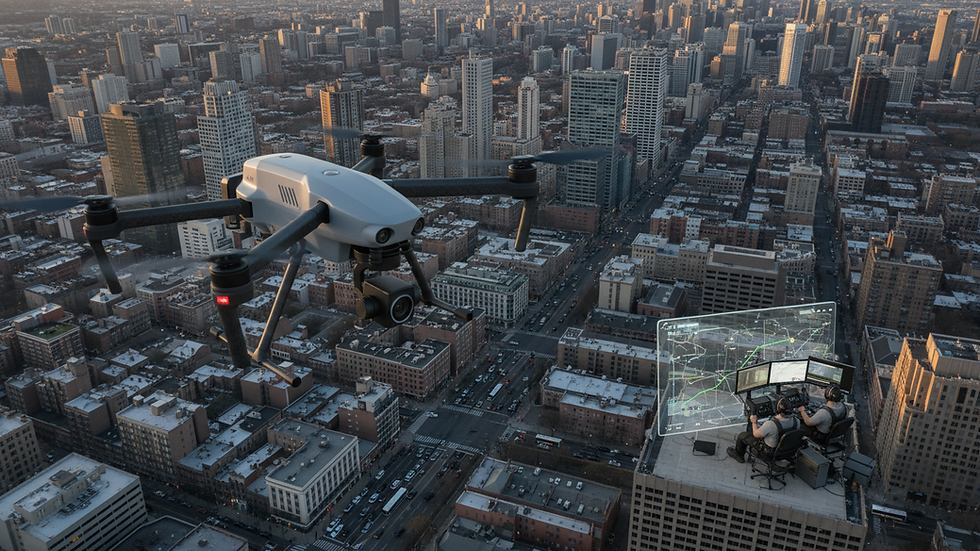
Airports are critical infrastructure hubs that require stringent security measures to ensure the safety of passengers, staff, and aircraft operations. The increasing prevalence of unauthorized drones in controlled airspace poses significant risks, including potential collisions, disruptions, and security breaches. To address these challenges, drone detection systems have become an essential component of modern airport security strategies. These systems provide real-time awareness and operational control, enabling security teams to respond swiftly and effectively to drone threats.
The Growing Need for Airport Drone Monitoring
The rise in drone usage has introduced new vulnerabilities to airport security. Drones can be used maliciously or inadvertently to interfere with airport operations. Incidents of drones flying near runways or restricted zones have led to flight delays, emergency landings, and costly investigations. These events highlight the urgent need for robust airport drone monitoring solutions.
Effective drone detection systems help identify unauthorized drone activity before it escalates into a safety hazard. By continuously scanning the airspace, these systems provide early warnings that allow security personnel to assess threats and implement countermeasures. This proactive approach minimizes operational disruptions and enhances overall safety.
Key Threat Scenarios
Runway Intrusions: Drones entering runway zones can cause collisions or force emergency landings.
Smuggling and Surveillance: Drones may be used to smuggle contraband or conduct unauthorized surveillance.
Terrorism and Sabotage: Malicious actors could deploy drones to disrupt airport operations or target aircraft.
Privacy Violations: Unauthorized drone flights can compromise sensitive airport areas and passenger privacy.
Understanding these scenarios helps security teams prioritize detection and response efforts, ensuring that airport drone monitoring systems are tailored to real-world risks.

Components and Capabilities of Drone Detection Systems
Drone detection systems integrate multiple technologies to provide comprehensive airspace awareness. These components work together to detect, track, and classify drones, enabling informed decision-making.
Radar Detection
Radar systems scan the airspace for small, low-flying objects. They provide wide-area coverage and can detect drones at various altitudes and distances. Radar is effective in all weather conditions and during day or night operations.
Radio Frequency (RF) Detection
RF detection monitors the communication signals between drones and their operators. By identifying drone control frequencies, RF sensors can detect active drones even if they are not visible. This method is particularly useful for identifying drones that rely on remote control.
Optical and Infrared Cameras
Visual and thermal cameras provide real-time imagery of detected drones. These cameras assist in confirming drone presence, identifying drone types, and assessing potential threats. Infrared cameras are valuable for night-time detection.
Acoustic Sensors
Acoustic sensors detect the unique sound signatures of drone motors and propellers. While limited by environmental noise, these sensors can supplement other detection methods in certain scenarios.
Data Fusion and Analytics
Advanced drone detection systems combine data from multiple sensors to improve accuracy and reduce false alarms. Analytics software processes sensor inputs to track drone trajectories, predict flight paths, and generate actionable alerts.
Operational Value of Drone Detection for Airports
Implementing drone detection systems delivers significant operational benefits that enhance airport security and efficiency.
Real-Time Situational Awareness
Continuous monitoring provides security teams with up-to-the-minute information on drone activity. This awareness enables rapid threat assessment and timely response, reducing the risk of incidents.
Enhanced Decision-Making
Accurate detection and classification allow security personnel to differentiate between benign and malicious drone activity. This capability supports targeted interventions and minimizes unnecessary disruptions.
Integration with Security Protocols
Drone detection systems can be integrated with existing airport security infrastructure, including surveillance cameras, access control, and communication networks. This integration streamlines incident management and coordination.
Support for Regulatory Compliance
Airports must comply with aviation safety regulations and guidelines related to unmanned aircraft systems. Drone detection systems help demonstrate due diligence and adherence to regulatory requirements.
Case Example: Mitigating Flight Delays
In one instance, an airport equipped with a drone detection system identified an unauthorized drone near the runway. Security teams were alerted immediately, allowing them to halt drone activity and prevent flight delays. This proactive response saved the airport significant operational costs and maintained passenger confidence.

Best Practices for Deploying Airport Drone Monitoring Systems
To maximize the effectiveness of drone detection systems, airports should follow these practical guidelines:
Conduct a Risk Assessment: Identify vulnerable zones and prioritize coverage based on threat likelihood and operational impact.
Select Multi-Sensor Solutions: Use a combination of radar, RF, optical, and acoustic sensors to ensure comprehensive detection.
Ensure Rapid Deployment: Choose systems that are easy to install and configure, minimizing downtime and operational disruption.
Train Security Personnel: Provide thorough training on system operation, threat identification, and response protocols.
Establish Clear Response Procedures: Define roles, communication channels, and escalation steps for drone incidents.
Regularly Test and Maintain Systems: Conduct routine checks and updates to maintain system reliability and accuracy.
Collaborate with Authorities: Coordinate with law enforcement and aviation regulators to share information and support enforcement actions.
By adhering to these best practices, airports can build resilient drone monitoring capabilities that protect critical airspace.
Future Trends in Airport Drone Security
As drone technology evolves, so too must detection and mitigation strategies. Emerging trends include:
Artificial Intelligence (AI) Integration: AI-powered analytics improve detection accuracy and automate threat classification.
Counter-Drone Technologies: Systems capable of safely disrupting unauthorized drones are being developed to complement detection.
Networked Sensor Arrays: Distributed sensor networks provide broader coverage and redundancy.
Regulatory Advances: Enhanced regulations and airspace management frameworks will support more effective drone control.
Staying informed about these developments will help airports maintain cutting-edge security postures.
Enhancing Airspace Safety with Trusted Solutions
The increasing presence of drones near airports demands vigilant monitoring and rapid response capabilities. Reliable drone detection systems provide the operational control and real-time awareness necessary to safeguard airspace and maintain uninterrupted airport operations. By investing in comprehensive airport drone monitoring, security teams can mitigate risks, support regulatory compliance, and protect critical infrastructure.
For organizations seeking proven solutions, drone detection for airports offers a tactical approach to drone threat management. These systems empower public safety agencies, event security teams, and infrastructure operators to detect, track, and understand drone activity effectively.
Implementing robust drone detection is a vital step toward ensuring safer skies and secure airport environments.


Comments