.png)
Understanding the Role of a Drone Detection Device

Unmanned aerial vehicles, commonly known as drones, have become increasingly prevalent across various sectors. While drones offer numerous benefits, they also pose significant security challenges. Unauthorized drone activity can threaten public safety, disrupt critical infrastructure, and compromise sensitive events. To address these risks, organizations rely on advanced drone detection devices to maintain situational awareness and operational control.
This article explores the essential role of drone detection devices in modern security frameworks. It provides practical insights into how these systems function, their operational value, and real-world applications. The focus remains on delivering clear, actionable information to support effective drone threat management.
The Importance of a Drone Detection Device in Security Operations
A drone detection device is a critical component for any security operation tasked with protecting airspace. These devices enable rapid identification and tracking of drones, allowing security teams to respond proactively to potential threats. The technology integrates multiple sensing methods, such as radio frequency (RF) analysis, radar, and optical sensors, to provide comprehensive coverage.
Key operational benefits include:
Real-time awareness: Immediate detection of drone presence helps prevent unauthorized airspace incursions.
Threat classification: Differentiating between benign and hostile drones supports informed decision-making.
Incident response: Early alerts enable timely deployment of countermeasures or law enforcement intervention.
Data logging: Recording drone activity assists in post-incident analysis and legal proceedings.
For example, airport security teams use drone detection devices to monitor restricted airspace and prevent disruptions to flight operations. Similarly, event security personnel rely on these systems to safeguard large gatherings from drone-based surveillance or interference.

How a Drone Detection Device Enhances Operational Control
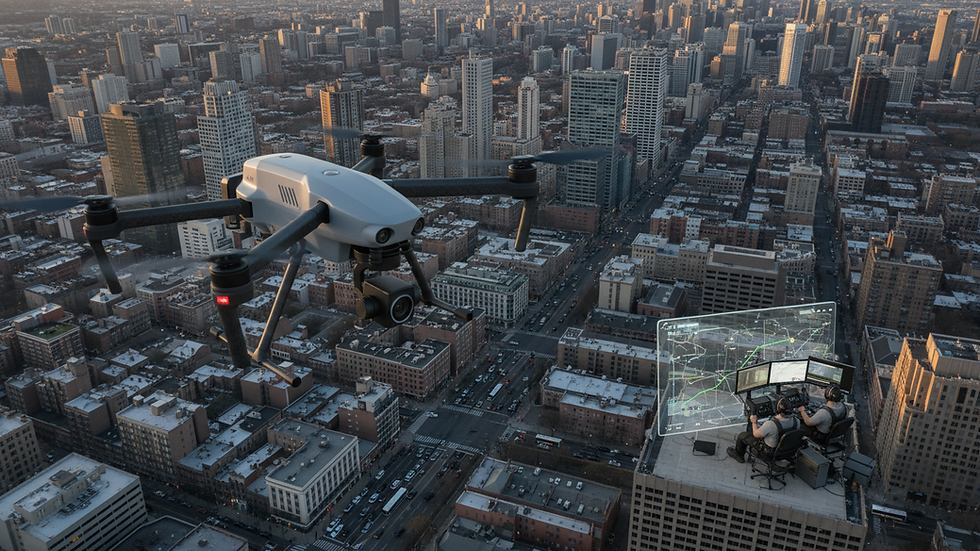
Integrating a drone detection device into security protocols significantly enhances operational control. These systems provide a centralized platform where operators can monitor drone activity across a defined perimeter. The ability to visualize drone trajectories and predict flight paths supports strategic planning and resource allocation.
Operational advantages include:
Improved situational awareness: Operators receive continuous updates on drone movements, enabling them to anticipate potential risks.
Coordinated response: Information sharing between security teams and law enforcement agencies is streamlined.
Reduced false alarms: Advanced filtering algorithms minimize distractions caused by non-threat objects.
Scalability: Systems can be adapted to cover small venues or expansive critical infrastructure sites.
For instance, emergency responders can use drone detection devices to secure disaster zones, ensuring that unauthorized drones do not interfere with rescue operations. Infrastructure managers benefit from early warnings about drones approaching sensitive facilities such as power plants or water treatment centers.
Can my phone detect drones?
Many individuals wonder if consumer smartphones can detect drones. While smartphones have sensors like cameras and microphones, they lack the specialized hardware and software required for reliable drone detection. Consumer devices cannot analyze radio frequencies or radar signals emitted by drones, which are essential for accurate identification.
Some mobile apps claim to detect drones using audio signatures or visual recognition, but these methods are limited in range and accuracy. They are not suitable for professional security environments where timely and precise detection is critical.
For public safety and security professionals, relying on dedicated drone detection devices is necessary. These systems are purpose-built to provide comprehensive coverage, real-time alerts, and integration with response protocols.

Real-World Use Cases Demonstrating the Value of Drone Detection
Understanding the practical applications of drone detection devices helps illustrate their importance. Below are several scenarios where these systems have proven indispensable:
Public events: Large-scale events such as concerts, sports games, and political rallies are vulnerable to drone disruptions. Detection devices alert security teams to unauthorized drones, allowing for swift intervention.
Critical infrastructure: Facilities like airports, power stations, and government buildings require constant airspace monitoring. Drone detection devices help prevent espionage, sabotage, or accidental interference.
Law enforcement: Police agencies use drone detection to monitor suspicious drone activity during investigations or crowd control situations.
Emergency response: During natural disasters or hazardous material incidents, drone detection ensures that rescue operations are not compromised by unauthorized aerial devices.
In each case, the ability to detect and track drones in real time supports safer environments and more effective operational decisions.
Implementing a Drone Detection Strategy for Enhanced Safety
Deploying a drone detection device is only one part of a comprehensive drone threat management strategy. Organizations should consider the following steps to maximize effectiveness:
Assessment: Evaluate the specific airspace risks and operational requirements.
Integration: Ensure the detection system interfaces with existing security infrastructure and communication channels.
Training: Provide personnel with clear protocols for interpreting alerts and responding to drone incursions.
Maintenance: Regularly update and calibrate detection equipment to maintain accuracy.
Legal compliance: Understand local regulations regarding drone detection and countermeasures to ensure lawful operations.
By following these guidelines, security teams can leverage drone detection devices to maintain control over their airspace and reduce vulnerabilities.
A reliable drone detector is a vital tool for organizations committed to protecting their airspace from unauthorized drone activity. It empowers security professionals with real-time data, enabling informed decisions that safeguard people, property, and operations. As drone technology continues to evolve, so too must the strategies and tools used to manage the associated risks effectively.


Comments