.png)
Understanding Stationary Drone Detection Systems

Unmanned aerial vehicles, commonly known as drones, have become increasingly prevalent in various sectors. While they offer numerous benefits, they also pose significant security challenges. Unauthorized drone activity near sensitive locations can threaten public safety, disrupt events, and compromise critical infrastructure. To address these risks, stationary drone detection systems have emerged as essential tools for real-time airspace awareness and operational control.
What Is a Stationary Drone Detection System?
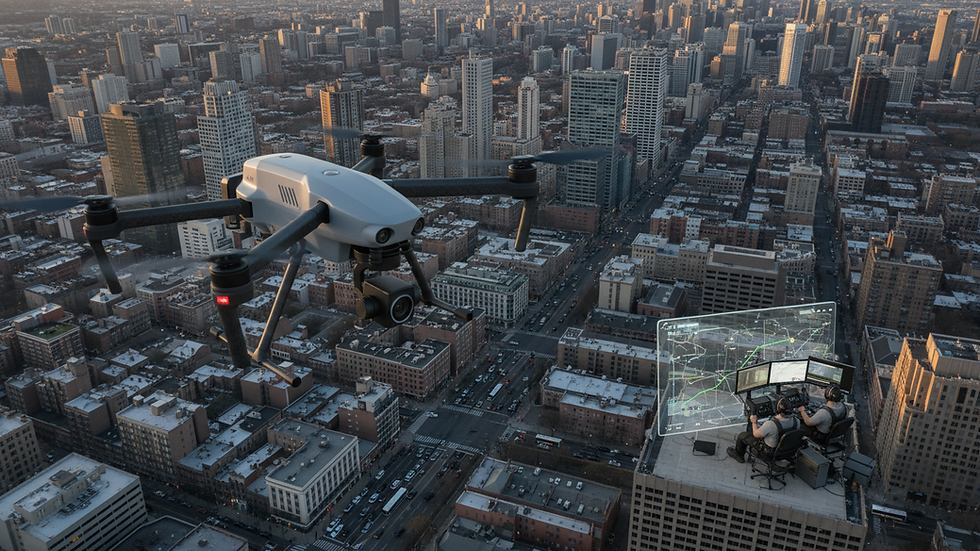
A stationary drone detection system is a fixed installation designed to monitor and identify drone activity within a defined airspace. Unlike mobile or handheld solutions, these systems remain in place, providing continuous surveillance over critical areas such as airports, stadiums, government buildings, and industrial sites.
These systems typically combine multiple sensor technologies, including radar, radio frequency (RF) detection, acoustic sensors, and optical cameras. By integrating data from these sources, the system can detect, classify, and track drones with high accuracy. This multi-layered approach enhances detection reliability and reduces false alarms.
Key Features of Stationary Drone Detection Systems
Continuous Monitoring: Provides 24/7 surveillance without gaps.
Multi-Sensor Fusion: Combines radar, RF, acoustic, and visual data.
Real-Time Alerts: Notifies operators immediately upon drone detection.
Drone Classification: Differentiates drones from birds or other flying objects.
Integration Capability: Connects with existing security infrastructure and command centers.

Operational Value of Stationary Drone Detection Systems
The operational value of stationary drone detection systems lies in their ability to provide timely, actionable intelligence. For public safety agencies, event security teams, and infrastructure managers, early detection of unauthorized drones enables rapid response and risk mitigation.
Real-World Use Cases
Airport Security
Airports are highly vulnerable to drone incursions that can disrupt flight operations and endanger passengers. Stationary detection systems installed around airport perimeters provide early warnings, allowing security personnel to take preventive measures before drones enter restricted zones.
Event Security
Large public gatherings such as concerts, sports events, and political rallies require heightened security. Stationary systems help monitor the airspace above venues, detecting drones that could be used for surveillance, contraband delivery, or worse.
Critical Infrastructure Protection
Facilities like power plants, water treatment centers, and communication hubs are prime targets for drone-based threats. Fixed detection systems ensure continuous monitoring, helping operators maintain situational awareness and protect vital assets.
Emergency Response Coordination
During emergencies, drones can interfere with rescue operations or be used maliciously. Stationary detection systems assist emergency responders by identifying drone activity that could compromise safety or hinder response efforts.
Enhancing Situational Awareness and Control
By delivering real-time data, stationary drone detection systems empower security teams to make informed decisions quickly. This situational awareness supports coordinated responses, whether that involves deploying countermeasures, alerting law enforcement, or adjusting operational protocols.
Components and Technologies Behind Stationary Drone Detection Systems
Understanding the technologies that underpin stationary drone detection systems is crucial for appreciating their effectiveness and limitations.
Radar Sensors
Radar provides long-range detection by emitting radio waves and analyzing their reflections. It is effective at detecting drones at various altitudes and speeds, even in adverse weather conditions. However, radar alone may struggle to distinguish drones from other small flying objects.
Radio Frequency (RF) Detection
RF sensors scan for communication signals between drones and their operators. This method can identify active drones transmitting control or video signals. RF detection is valuable for pinpointing drone locations and identifying their control sources but may miss drones operating autonomously or on encrypted channels.
Acoustic Sensors
Acoustic detection uses microphones to capture the unique sound signatures of drone motors and propellers. This technology is useful in environments where radar and RF signals are limited but can be affected by ambient noise.
Optical and Infrared Cameras
Visual sensors provide confirmation and classification by capturing images or video of detected drones. Infrared cameras enhance detection capabilities during low-light or nighttime conditions. These sensors support operator verification and evidence collection.
Data Fusion and Analytics
The integration of data from multiple sensors through advanced analytics improves detection accuracy and reduces false positives. Machine learning algorithms can enhance classification and tracking, providing operators with clear, actionable information.

Implementing a Stationary Drone Detection System: Best Practices
Deploying a stationary drone detection system requires careful planning and coordination to maximize its effectiveness.
Site Assessment and Coverage Planning
Identify Vulnerable Areas: Focus on locations with high security risks or critical operations.
Determine Coverage Zones: Ensure the system covers all potential drone approach paths.
Consider Environmental Factors: Account for terrain, buildings, and weather conditions that may affect sensor performance.
Integration with Security Operations
Connect to Command Centers: Enable centralized monitoring and rapid decision-making.
Establish Alert Protocols: Define clear procedures for responding to drone detections.
Train Personnel: Ensure operators understand system capabilities and limitations.
Maintenance and Testing
Regular System Checks: Verify sensor functionality and software updates.
Simulated Drone Intrusions: Conduct drills to test detection accuracy and response readiness.
Continuous Improvement: Use operational feedback to refine system settings and protocols.
Legal and Regulatory Compliance
Understand Local Regulations: Ensure drone detection activities comply with privacy and airspace laws.
Coordinate with Authorities: Work with law enforcement and aviation agencies for lawful response actions.
Enhancing Airspace Security with Reliable Detection
In an era where drones are increasingly accessible and capable, maintaining control over sensitive airspace is a critical security priority. A fixed drone detection system offers a dependable solution for continuous monitoring and threat identification.
By investing in stationary drone detection systems, organizations gain:
Increased situational awareness to detect threats early.
Operational control to manage drone incursions effectively.
Risk reduction by preventing unauthorized drone activity.
Support for safer decision-making through real-time intelligence.
These systems are not just technology investments but strategic assets that enhance public safety and protect vital infrastructure.
Moving Forward with Stationary Drone Detection
The evolving drone landscape demands proactive measures to safeguard airspace. Stationary drone detection systems provide a foundation for comprehensive drone threat management. By understanding their capabilities and implementing best practices, security professionals can strengthen defenses and maintain operational integrity.
Ongoing advancements in sensor technology and data analytics will continue to improve detection accuracy and response effectiveness. Staying informed and prepared ensures that organizations remain one step ahead of emerging drone threats.
Investing in a stationary drone detection system is a critical step toward achieving reliable, real-time drone awareness and maintaining control over protected airspace.


Comments