.png)
Enhancing DFR Programs with ADS Drone Tracker Kits

Updated: Feb 3
Understanding Drone Threats in DFR Programs
DFR programs focus on protecting areas from various threats, including unauthorized drones that can disrupt operations or pose safety risks. Drones can be used for spying, smuggling, or even carrying harmful payloads. The challenge lies in detecting these small, fast-moving objects early enough to respond effectively.
Traditional radar systems often struggle with small drones due to their size and low radar cross-section. Visual detection depends on clear sightlines and can be limited by weather or lighting. This is where specialized drone tracker kits come into play, offering enhanced detection through multiple sensor types.
How ADS Drone Tracker Kits Improve Detection
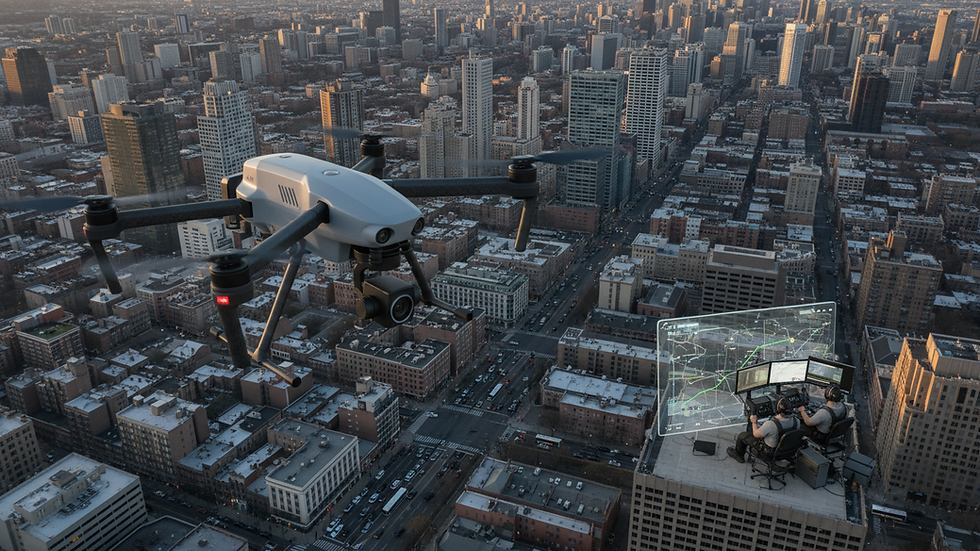
ADS drone tracker kits combine radar, radio frequency (RF) detection, and optical sensors to identify drones quickly and accurately. These kits scan the airspace continuously and alert operators when a drone enters the monitored zone. Key features include:
Multi-sensor detection: Radar detects movement, RF sensors identify drone communication signals, and cameras provide visual confirmation.
Real-time tracking: The system follows the drone’s flight path, providing coordinates and speed.
User-friendly interface: Operators receive clear alerts and can assess threats without needing extensive technical training.
Portability and scalability: Kits can be deployed in fixed locations or mobile units, adapting to different operational needs.
For example, a critical infrastructure site using ADS drone tracker kits was able to detect an unauthorized drone within seconds of entering restricted airspace, allowing security teams to respond before the drone reached sensitive areas.
Integrating ADS Drone Tracker Kits into DFR Programs
To maximize the benefits of ADS drone tracker kits, integration into existing DFR programs should follow a structured approach:
Assessment of risk areas
Identify zones where drone threats are most likely or could cause the most damage. This helps prioritize where to deploy tracker kits.
Installation and calibration
Position tracker kits to cover blind spots and ensure overlapping coverage for continuous monitoring. Calibrate sensors to reduce false alarms from birds or other objects.
Training personnel
Train security teams on interpreting alerts and using the system interface. Simulated drone incursions can help build response readiness.
Response protocols
Develop clear procedures for responding to drone detections, including communication channels, escalation steps, and countermeasures such as jamming or interception.
Regular maintenance and updates
Keep the tracker kits updated with the latest software and perform routine checks to maintain accuracy.
Practical Benefits of ADS Drone Tracker Kits
Using ADS drone tracker kits within DFR programs offers several practical advantages:
Early warning
Detect drones before they reach critical areas, giving teams time to act.
Reduced false positives
Multi-sensor fusion helps distinguish drones from birds or other flying objects, reducing unnecessary alarms.
Improved situational awareness
Real-time tracking data supports informed decision-making during incidents.
Cost-effective protection
Compared to deploying large security forces or expensive radar systems alone, ADS kits provide a balanced solution.
Flexibility
Kits can be adapted for different environments, from urban centers to remote facilities.

Real-World Example: Protecting a Public Event
A city hosting a large outdoor event faced concerns about unauthorized drones disrupting the gathering or invading privacy. The event security team deployed ADS drone tracker kits around the perimeter. During the event, the system detected several drones attempting to enter the airspace. Security personnel quickly identified and intercepted the drones, preventing any incidents. The success demonstrated how integrating drone tracker kits into DFR programs enhances safety without disrupting the event.
Moving Forward with Drone Countermeasures
As drone technology evolves, so do the tactics used by those who might misuse it. DFR programs must stay ahead by adopting reliable detection tools like ADS drone tracker kits. These kits provide a practical, effective way to monitor airspace and respond to drone threats promptly.
Organizations should evaluate their current drone countermeasure capabilities and consider adding ADS tracker kits to strengthen their defenses. Combining technology with trained personnel and clear response plans creates a comprehensive shield against drone-related risks.
Mastering drone countermeasures means building a system that detects, tracks, and supports timely action. ADS drone tracker kits play a vital role in this process, helping DFR programs protect what matters most.
In conclusion, the integration of ADS drone tracker kits into DFR programs not only enhances operational efficiency but also ensures a proactive approach to drone threats. By prioritizing early detection and response, organizations can significantly mitigate risks associated with unauthorized drone activity. The commitment to safety and security is paramount, and with the right tools and strategies, public safety agencies can effectively safeguard their airspace.


Comments