.png)
Innovative Drone Solutions for Modern Needs

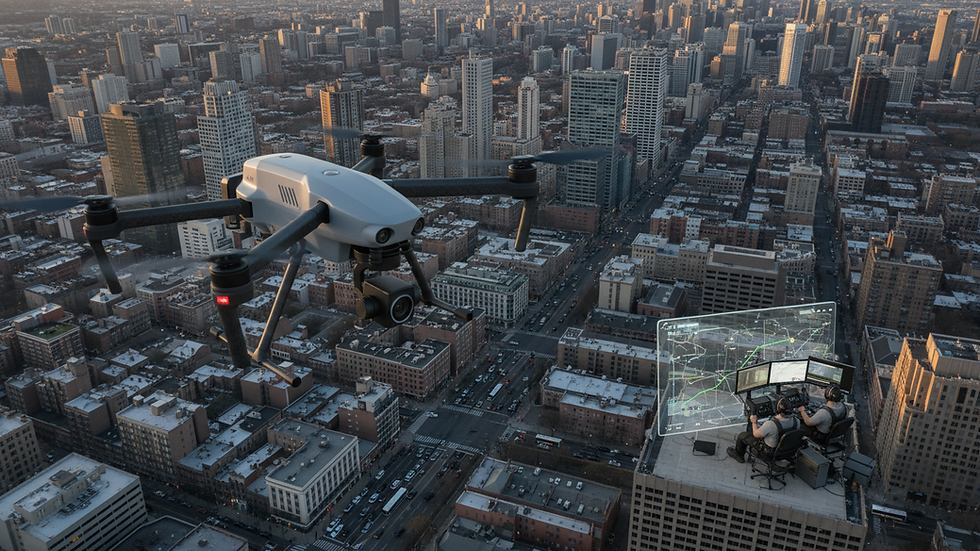
Drones have become indispensable tools in enhancing public safety, event security, emergency response, and infrastructure management. As unmanned aerial systems (UAS) grow more accessible, the need for reliable and effective drone detection and mitigation technologies has never been greater. Modern challenges require innovative drone solutions that provide real-time awareness, operational control, and actionable intelligence to protect critical airspace and ensure mission success.
The Role of Innovative Drone Solutions in Public Safety and Security
Public safety agencies and security professionals face increasing threats from unauthorized or malicious drone activity. These threats range from privacy invasions and smuggling attempts to potential attacks on critical infrastructure and crowded events. Innovative drone solutions enable rapid detection, identification, and tracking of drones, allowing teams to respond proactively and mitigate risks before they escalate.
For example, during large-scale public events, drone detection systems can monitor the airspace for unauthorized UAVs, alerting security personnel to potential intrusions. Emergency responders can use these systems to maintain safe airspace during disaster relief operations, preventing interference with manned aircraft. Infrastructure managers benefit from continuous drone surveillance to protect power plants, water treatment facilities, and transportation hubs from drone-related threats.
By integrating advanced radar, radio frequency (RF) detection, and optical sensors, these solutions provide a comprehensive picture of drone activity. This multi-layered approach enhances situational awareness and supports informed decision-making in dynamic environments.

Key Features of Effective Drone Detection and Response Systems
To meet the complex demands of modern security and safety operations, drone detection systems must offer several critical features:
Real-Time Detection and Tracking: Immediate identification of drone presence and flight paths is essential for timely response.
Multi-Sensor Integration: Combining radar, RF, and visual sensors improves detection accuracy and reduces false alarms.
User-Friendly Interface: Clear, intuitive displays allow operators to quickly assess threats and coordinate responses.
Scalability and Flexibility: Systems should adapt to various environments, from small event venues to expansive critical infrastructure sites.
Operational Control and Mitigation: Beyond detection, some solutions provide tools to disrupt or neutralize unauthorized drones safely and legally.
These features empower security teams to maintain control over their airspace, reduce operational risks, and protect people and assets effectively.
What is the 80 20 Rule for Drones?
The 80 20 rule, often applied in drone operations, suggests that 80 percent of drone-related incidents or threats can be addressed by focusing on 20 percent of the most critical detection and response capabilities. This principle guides agencies to prioritize resources on the most impactful technologies and strategies.
For instance, focusing on rapid detection and identification of drones within a defined perimeter can prevent the majority of unauthorized incursions. Investing in multi-sensor detection systems and operator training yields significant improvements in airspace security. By applying the 80 20 rule, organizations optimize their efforts, balancing cost and effectiveness while enhancing overall safety.
Real-World Use Cases Demonstrating Operational Value
Several real-world scenarios highlight the operational value of innovative drone solutions:
Law Enforcement Surveillance: Police departments use drone detection systems to monitor sensitive areas during protests or high-profile events. Early alerts enable officers to intercept unauthorized drones before they compromise safety or privacy.
Event Security Management: Large venues deploy detection technology to safeguard concerts and sports events. This proactive approach prevents drone disruptions and ensures compliance with no-fly zones.
Emergency Response Coordination: Firefighters and disaster relief teams rely on drone awareness to maintain safe airspace for helicopters and manned aircraft. Detection systems help avoid collisions and interference during critical missions.
Critical Infrastructure Protection: Power plants and transportation hubs implement continuous drone monitoring to detect potential threats. This vigilance supports rapid response and minimizes downtime or damage.
These examples demonstrate how drone detection and mitigation technologies enhance operational control and reduce risk across diverse applications.

Best Practices for Implementing Drone Detection Systems
Successful deployment of drone detection solutions requires careful planning and adherence to best practices:
Conduct a Risk Assessment: Identify vulnerable areas and potential drone threat scenarios specific to the site or event.
Select Appropriate Technology: Choose systems that match operational needs, environmental conditions, and budget constraints.
Train Personnel Thoroughly: Ensure operators understand system capabilities, limitations, and response protocols.
Establish Clear Procedures: Define roles, communication channels, and escalation steps for drone incidents.
Maintain System Readiness: Regularly test and update equipment to ensure optimal performance.
Coordinate with Authorities: Work closely with aviation regulators and law enforcement to align detection efforts with legal frameworks.
By following these guidelines, organizations maximize the effectiveness of their drone detection capabilities and enhance overall safety.
Enhancing Airspace Security with Trusted Tactical Response
The evolving drone threat landscape demands reliable tactical responses that integrate seamlessly with existing security operations. Aerial Defense Systems (ADS) offers proven solutions designed to detect, track, and understand drone activity quickly and accurately. These systems provide the operational control necessary to maintain safe airspace and support mission-critical decisions.
ADS technology emphasizes ease of deployment, scalability, and user-centric design. This approach ensures that public safety agencies, event organizers, and infrastructure operators can trust their drone detection capabilities under pressure. Real-time situational awareness and actionable intelligence empower teams to reduce risk and protect people and assets effectively.
Innovative drone solutions are no longer optional but essential components of modern security strategies. By investing in advanced detection and response systems, organizations can stay ahead of emerging threats and maintain control over their airspace.
This comprehensive overview underscores the importance of adopting innovative drone solutions tailored to the unique challenges faced by public safety and security professionals. Through strategic implementation and trusted technology, organizations can enhance operational effectiveness and safeguard their environments against unauthorized drone activity.


Comments