.png)
Innovative Drone Security Systems for Modern Safety

The rapid rise of drone technology has introduced new challenges for public safety and security professionals. While drones offer many benefits, their misuse can pose significant risks to critical infrastructure, large public events, and emergency response operations. To address these evolving threats, innovative drone security systems have become essential tools for maintaining operational control and situational awareness in complex airspaces.
The Growing Need for Advanced Drone Security Systems
Drones are increasingly accessible and capable, making them attractive for both legitimate and malicious uses. Unauthorized drone flights near airports, government buildings, and crowded venues can disrupt operations, compromise safety, and create security vulnerabilities. Traditional security measures often fall short in detecting and mitigating these aerial threats in real time.
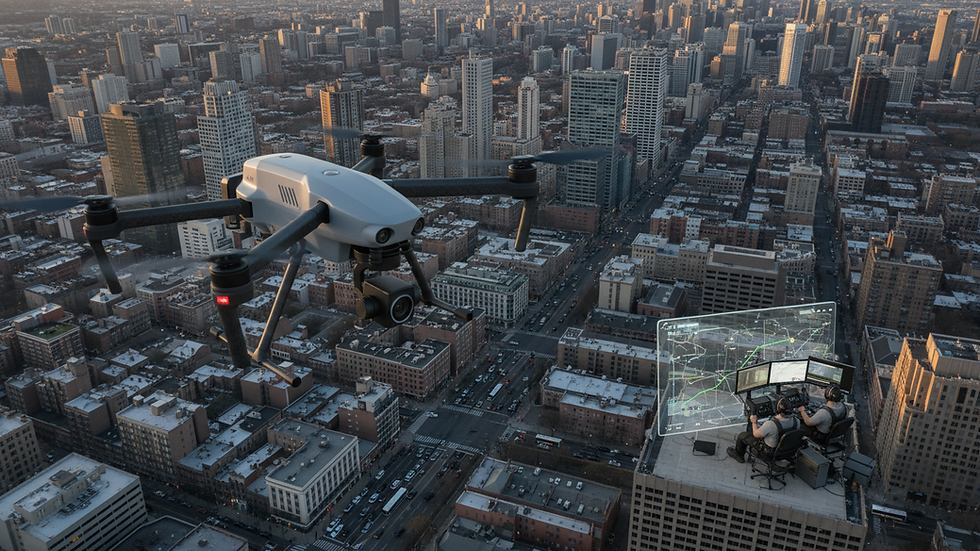
Modern drone security systems provide a comprehensive approach to airspace protection. These systems integrate radar, radio frequency (RF) detection, and optical sensors to identify, track, and classify drones quickly and accurately. By delivering actionable intelligence, they enable security teams to respond effectively before incidents escalate.
For example, during large-scale public events, drone detection technology can alert security personnel to unauthorized drone activity, allowing for timely intervention. Similarly, critical infrastructure operators can monitor their airspace continuously to prevent potential sabotage or espionage attempts.

Key Features and Benefits of Drone Security Systems
Effective drone security systems combine multiple detection technologies to maximize coverage and reliability. Some of the core features include:
Multi-sensor integration: Combining radar, RF, and visual sensors ensures detection across various drone types and flight patterns.
Real-time alerts: Immediate notifications allow security teams to assess threats and deploy countermeasures swiftly.
Drone classification: Identifying drone models and behaviors helps prioritize responses based on risk levels.
Geofencing capabilities: Defining no-fly zones and triggering alarms when drones enter restricted airspace.
Data logging and reporting: Maintaining records of drone activity supports investigations and regulatory compliance.
These capabilities translate into tangible operational advantages. For instance, law enforcement agencies can enhance perimeter security around sensitive sites, while emergency responders gain better situational awareness during disaster relief efforts. Event security teams benefit from proactive drone threat detection, reducing the risk of disruptions or safety incidents.
What is the best defense against drones?
The best defense against unauthorized drones is a layered approach that combines detection, identification, and mitigation. Detection systems provide the first line of defense by continuously scanning the airspace for drone activity. Once a drone is detected, identification tools classify the threat and determine intent.
Mitigation strategies vary depending on the operational context and legal considerations. Common methods include:
Jamming and signal disruption: Interfering with the drone’s communication link to force it to land or return to its operator.
Drone capture technologies: Using nets or trained birds of prey to physically remove drones from restricted areas.
Directed energy systems: Employing lasers or microwave technology to disable drones safely.
Law enforcement intervention: Coordinating with authorities to apprehend drone operators and enforce regulations.
Choosing the right defense depends on the environment, mission objectives, and regulatory framework. Importantly, any counter-drone action must prioritize safety and minimize collateral risks to people and property.

Real-World Use Cases Demonstrating Operational Value
Several public safety and security organizations have successfully integrated drone security systems into their operations:
Airport security: Airports face significant risks from drones interfering with aircraft takeoffs and landings. Implementing drone detection systems around runways has helped airports identify unauthorized drones early and coordinate rapid responses with air traffic control.
Event security: Large outdoor events such as concerts and sports games attract drone hobbyists and potential threats. Deploying drone detection technology enables event security teams to monitor airspace and prevent unauthorized drone flights that could compromise crowd safety.
Critical infrastructure protection: Facilities like power plants, water treatment centers, and communication hubs are vulnerable to drone-based surveillance or attacks. Continuous drone monitoring enhances perimeter security and supports incident response planning.
Emergency response: During natural disasters or hazardous material incidents, drones can interfere with rescue operations or pose additional hazards. Drone security systems help emergency managers maintain control of the airspace and ensure responder safety.
These examples highlight how drone security systems contribute to safer, more efficient operations by providing timely, accurate information about aerial threats.
Implementing Drone Security Systems: Practical Guidance
For organizations considering drone security solutions, several practical steps can facilitate successful deployment:
Assess airspace risk: Identify critical areas where drone threats are most likely or impactful. This assessment guides sensor placement and system configuration.
Choose scalable technology: Select systems that can grow with operational needs and integrate with existing security infrastructure.
Train personnel: Ensure security teams understand how to interpret drone detection data and execute response protocols.
Develop response plans: Establish clear procedures for drone threat assessment, mitigation, and coordination with law enforcement.
Stay compliant: Adhere to local regulations governing drone detection and countermeasures to avoid legal complications.
By following these guidelines, organizations can maximize the effectiveness of their drone security investments and enhance overall safety.
Enhancing Airspace Control with Trusted Solutions
In an era where drone technology continues to evolve rapidly, maintaining control over critical airspace is paramount. Reliable drone security systems provide the foundation for real-time awareness, operational control, and risk reduction. They empower security professionals to detect, track, and understand drone activity with confidence.
Aerial Defense Systems (ADS) specializes in delivering easy-to-deploy, dependable drone detection solutions tailored to the needs of public safety agencies, event organizers, and infrastructure operators. By leveraging advanced sensor fusion and intuitive interfaces, ADS supports safer decision-making and strengthens airspace protection.
For organizations seeking to enhance their security posture against drone threats, exploring drone security systems is a critical step toward modern safety.



Comments