.png)
Infrastructure Drone Defense: Counter Drone Systems for Infrastructure Protection

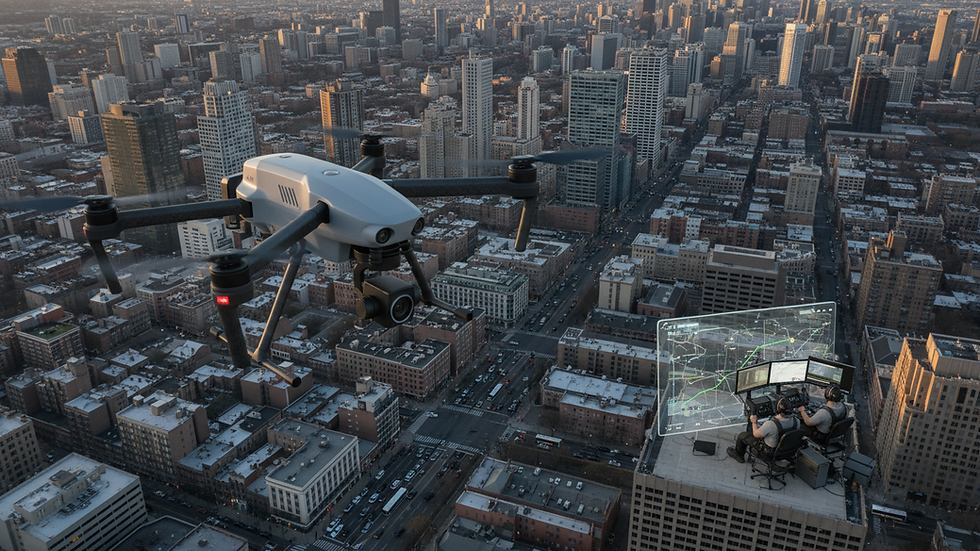
The rapid proliferation of drones has introduced new challenges for the security of critical infrastructure. Facilities such as power plants, transportation hubs, water treatment centers, and communication networks face increasing risks from unauthorized drone activity. These unmanned aerial vehicles (UAVs) can be used for espionage, disruption, or even physical attacks. To address these threats, organizations must adopt effective infrastructure drone defense strategies that provide real-time awareness and operational control.
Counter drone systems have emerged as essential tools for detecting, tracking, and mitigating drone threats. This article explores the operational value of these systems, real-world use cases, and practical guidance for integrating them into security protocols. The focus is on providing clear, mission-driven information to support safer decision-making and enhance protection.
Understanding Infrastructure Drone Defense: Why It Matters
Critical infrastructure is a prime target for malicious drone activity due to its strategic importance. Unauthorized drones can gather sensitive information, interfere with operations, or deliver harmful payloads. The consequences of such incidents range from service disruptions to public safety hazards.
Infrastructure drone defense involves a combination of detection, identification, tracking, and mitigation technologies designed to counter these risks. Effective defense systems enable security teams to:
Gain real-time situational awareness of drone activity in restricted airspace.
Differentiate between authorized and unauthorized drones.
Respond swiftly with appropriate countermeasures.
Maintain operational control without compromising safety or legal compliance.
For example, airport security teams use drone defense systems to prevent drones from interfering with aircraft takeoffs and landings. Similarly, power grid operators deploy these systems to protect substations from surveillance or sabotage attempts.

Key Components of Infrastructure Drone Defense Systems
A comprehensive infrastructure drone defense system integrates multiple technologies to provide layered protection. The main components include:
Detection Sensors
These sensors detect drone presence using radar, radio frequency (RF) scanning, acoustic sensors, or optical cameras. Each sensor type has strengths and limitations, so combining them enhances detection accuracy.
Identification and Classification
Once detected, the system identifies the drone type and operator signals. This helps distinguish between commercial drones, hobbyist models, and potentially hostile UAVs.
Tracking and Monitoring
Continuous tracking provides data on drone flight paths, altitude, speed, and behavior. This information supports threat assessment and response planning.
Mitigation Tools
Depending on legal and operational constraints, mitigation may involve jamming communication links, taking control of the drone, or deploying physical countermeasures. Some systems also alert security personnel for manual intervention.
Command and Control Interface
A centralized dashboard consolidates sensor data and provides actionable intelligence. It enables security teams to make informed decisions quickly and coordinate responses effectively.
Integrating these components into existing security infrastructure ensures seamless operation and maximizes protection.
Can I disable a drone from flying over my property?
Many organizations ask whether they can legally disable or interfere with drones flying over their property. The answer depends on local laws and regulations, which vary widely by jurisdiction.
In general, disabling a drone—whether by jamming signals, taking control, or physically capturing it—may be restricted or prohibited under federal aviation regulations and privacy laws. Unauthorized interference can lead to legal penalties and unintended safety risks.
Instead, the recommended approach is to:
Use detection and tracking systems to identify unauthorized drones early.
Notify law enforcement or aviation authorities when a drone poses a threat.
Employ approved countermeasures that comply with regulations.
Develop clear protocols for escalation and response.
For critical infrastructure, working closely with regulatory agencies and public safety partners ensures that drone defense measures are both effective and lawful. This collaboration supports rapid, coordinated action when drone threats arise.

Real-World Use Cases Demonstrating Operational Value
Several real-world scenarios highlight the importance of infrastructure drone defense systems:
Event Security: Large public events are vulnerable to drone disruptions or surveillance. Deploying detection systems around venues allows security teams to monitor airspace and respond to unauthorized drones before they pose risks to attendees.
Emergency Response: During natural disasters or hazardous incidents, drones can interfere with emergency operations or gather sensitive information. Counter drone systems help emergency responders maintain control of the airspace and protect personnel.
Critical Infrastructure Protection: Facilities such as water treatment plants and electrical substations have been targeted by drones for reconnaissance or sabotage. Early detection and tracking enable operators to take preventive action and alert authorities.
Airport Security: Airports face significant risks from drones disrupting flight operations. Integrated drone defense systems provide continuous monitoring and rapid alerts to prevent incidents.
These examples demonstrate how counter drone systems enhance situational awareness, reduce operational risks, and support mission-critical decisions.
Implementing a Counter Drone System for Infrastructure Protection
Deploying an effective counter drone system requires careful planning and coordination. The following steps provide a practical framework:
Assess Vulnerabilities
Conduct a thorough risk assessment to identify critical assets, potential drone threat scenarios, and airspace characteristics.
Select Appropriate Technologies
Choose detection and mitigation tools that align with operational needs, legal requirements, and environmental conditions.
Integrate with Existing Security
Ensure the drone defense system interfaces smoothly with current surveillance, communication, and command platforms.
Train Personnel
Provide comprehensive training for security teams on system operation, threat identification, and response protocols.
Develop Response Procedures
Establish clear guidelines for escalation, coordination with law enforcement, and legal compliance.
Test and Refine
Regularly test the system under realistic conditions and update procedures based on lessons learned.
By following these steps, organizations can build a resilient infrastructure drone defense capability that enhances safety and operational control.
For organizations seeking reliable solutions, a counter drone system for infrastructure offers a proven approach to detecting and managing drone threats effectively.
Enhancing Trust and Operational Control with Drone Defense
Trust in drone defense systems is critical for public safety and infrastructure security. Systems must deliver accurate, timely information without overwhelming operators with false alarms. They should also respect privacy and comply with legal frameworks.
Operational control is strengthened when security teams have:
Clear visibility of drone activity in their airspace.
Actionable intelligence to assess threats quickly.
Reliable tools to respond appropriately.
Seamless communication with partners and authorities.
By prioritizing these factors, drone defense solutions support safer environments and more confident decision-making.
Effective infrastructure drone defense is no longer optional. As drone technology evolves, so do the risks to critical assets. Implementing comprehensive counter drone systems provides the necessary tools to detect, track, and mitigate threats. This proactive approach enhances situational awareness, reduces vulnerabilities, and supports mission success in protecting vital infrastructure.


Comments