.png)
How Portable Drone Identification Enhances Security
- Aerial Defense Systems

- 7 hours ago
- 3 min read
Unmanned aerial systems, commonly known as drones, have become increasingly accessible and versatile. While they offer numerous benefits across industries, their misuse poses significant security challenges. Unauthorized drone activity can threaten public safety, disrupt critical infrastructure, and compromise sensitive events. To address these risks, reliable and rapid drone detection is essential. Portable drone identification tools provide a tactical advantage by enabling security personnel to detect, track, and respond to drone threats in real time.
The Importance of Portable Drone Identification in Security Operations
Security professionals face complex challenges when monitoring airspace for unauthorized drones. Fixed detection systems may not offer the flexibility required for dynamic environments such as large public events, emergency response scenes, or critical infrastructure sites. Portable drone identification devices fill this gap by delivering mobility, ease of deployment, and immediate situational awareness.
These systems allow operators to:
Quickly identify drone presence in restricted or sensitive airspace.
Determine drone type and intent through signal analysis and tracking.
Coordinate timely responses to mitigate potential threats.
Maintain operational control over evolving security situations.
By integrating portable drone identification into their security protocols, agencies can enhance their ability to protect people, property, and assets from drone-related risks.
Common Drone Threat Scenarios and Operational Challenges
Understanding the scenarios where drone threats emerge helps clarify the operational value of portable detection tools. Some typical situations include:
Public Events and Gatherings
Large crowds at concerts, sports events, or political rallies are vulnerable to drone incursions. Drones can be used for unauthorized surveillance, smuggling contraband, or even as delivery platforms for hazardous materials.
Critical Infrastructure Protection
Facilities such as power plants, water treatment centers, and transportation hubs require constant vigilance. Drones flying near these sites can gather intelligence or disrupt operations.
Emergency Response and Disaster Zones
During firefighting, search and rescue, or hazardous material incidents, unauthorized drones can interfere with emergency aircraft and personnel, creating safety hazards.
Airport and Airspace Security
Drones near airports pose collision risks with manned aircraft and can cause costly disruptions.
Each of these scenarios demands rapid detection and identification capabilities. Portable drone identification devices empower security teams to adapt quickly, maintain situational awareness, and implement appropriate countermeasures.
How Portable Drone Identification Works in Practice
Portable drone identification systems typically combine multiple detection technologies to provide comprehensive coverage:
Radio Frequency (RF) Detection
Many drones communicate via radio signals. RF detection scans for these signals, identifying drone controllers and telemetry data.
Radar and Acoustic Sensors
Some devices incorporate radar or acoustic sensors to detect drone movement and location, especially when RF signals are weak or absent.
Visual and Infrared Cameras
Cameras assist in confirming drone presence and tracking flight paths, particularly in low-light conditions.
Signal Analysis and Classification
Advanced software analyzes detected signals to classify drone types and assess potential threats.
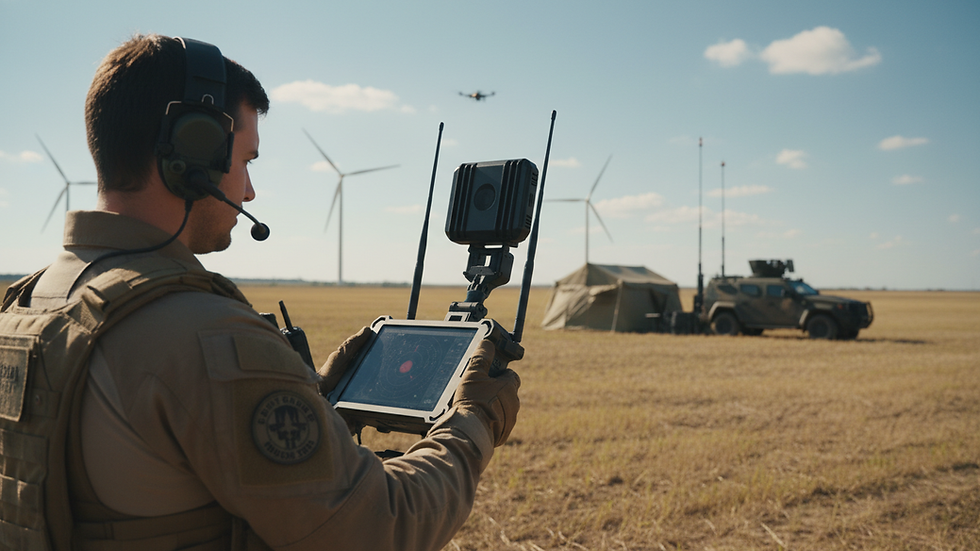
Security personnel equipped with a handheld drone detector can move through operational areas, scanning for drone activity and receiving real-time alerts. This mobility allows for targeted responses and better resource allocation.

Best Practices for Integrating Portable Drone Identification into Security Protocols
To maximize the effectiveness of portable drone identification, agencies should consider the following recommendations:
Training and Familiarization
Operators must be trained to interpret detection data accurately and understand drone behavior patterns. Regular drills and scenario-based exercises improve readiness.
Standard Operating Procedures (SOPs)
Establish clear SOPs for drone detection, reporting, and response. Define roles and communication channels to ensure swift action.
Layered Security Approach
Combine portable detection with fixed sensors, physical barriers, and counter-drone measures for comprehensive protection.
Legal and Regulatory Compliance
Ensure all detection and response activities comply with local laws and privacy regulations. Coordinate with aviation authorities when necessary.
Data Management and Analysis
Collect and analyze detection data to identify trends, improve threat assessments, and refine operational tactics.
By embedding portable drone identification into a broader security framework, organizations can enhance their ability to detect and mitigate drone threats effectively.
Enhancing Real-Time Awareness and Operational Control
The core advantage of portable drone identification lies in its ability to provide real-time situational awareness. Security teams gain immediate insight into drone activity, enabling informed decision-making. This capability supports:
Rapid threat assessment to distinguish between benign and hostile drones.
Coordinated response efforts involving law enforcement, emergency responders, and airspace managers.
Minimized disruption to ongoing operations by addressing drone threats proactively.
Improved safety for personnel and the public by reducing the risk of drone-related incidents.
Incorporating portable drone identification tools fosters a proactive security posture. It empowers teams to maintain control over their airspace and respond decisively to emerging threats.
Security challenges posed by unauthorized drones require adaptable, reliable detection solutions. Portable drone identification devices offer a practical and effective means to enhance airspace security across diverse operational environments. By leveraging these tools, security professionals can increase situational awareness, reduce risks, and support safer, more controlled responses to drone activity.


Comments