.png)
Drone Detection and DFR Programs to Gain Airspace Awareness

Updated: Apr 6
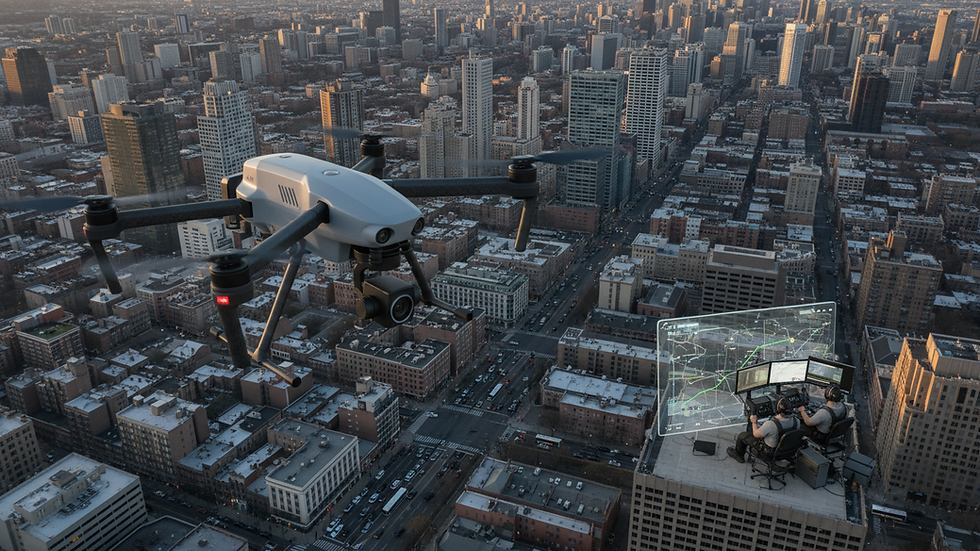
Unmanned aerial systems, commonly known as drones, have become increasingly prevalent in various sectors. While they offer numerous benefits, they also pose significant risks to public safety, critical infrastructure, and event security. Effective drone detection and defeat, or DFR (Drone Flight Restriction) programs, are essential tools for gaining comprehensive airspace awareness. These programs enable rapid identification, tracking, and mitigation of unauthorized drone activity, helping maintain operational control and reduce potential threats.
Understanding the Importance of Drone Detection in Airspace Security
The rapid proliferation of drones has introduced new challenges for airspace management. Unauthorized drones can interfere with emergency response operations, disrupt large public events, and threaten critical infrastructure such as power plants, airports, and government facilities. Without reliable detection systems, security teams face blind spots that can lead to delayed responses or inadequate threat assessments.
Drone detection systems provide real-time situational awareness by identifying drone presence, flight paths, and operator locations. This information is crucial for making informed decisions and deploying appropriate countermeasures. For example, during a large-scale public event, early detection of a drone flying in restricted airspace allows security personnel to take immediate action, preventing potential hazards or disruptions.
Key benefits of drone detection include:
Enhanced situational awareness for security teams
Early warning of unauthorized drone activity
Support for coordinated response efforts
Protection of sensitive or restricted airspace
Reduction of operational risks and liabilities

Components and Technologies Behind Effective Drone Detection
Drone detection systems integrate multiple technologies to provide comprehensive coverage and accurate identification. These components work together to detect, classify, and track drones in various environments.
Radar Systems
Radar technology is a cornerstone of drone detection. It emits radio waves that bounce off objects, allowing the system to detect flying objects based on their size, speed, and trajectory. Radar is effective for long-range detection and can operate in diverse weather conditions.
Radio Frequency (RF) Detection
RF detection monitors the communication signals between drones and their operators. By scanning for specific frequencies used by drones, RF sensors can identify active drone transmissions and estimate the operator’s location. This method is particularly useful for detecting drones that rely on remote control or Wi-Fi signals.
Electro-Optical and Infrared Cameras
Visual sensors, including electro-optical (EO) and infrared (IR) cameras, provide real-time imagery of detected drones. These cameras enable security personnel to visually confirm drone presence and assess the situation. Infrared cameras are especially valuable for nighttime or low-visibility conditions.
Acoustic Sensors
Acoustic detection uses microphones to pick up the unique sound signatures of drone motors and propellers. While limited by environmental noise, acoustic sensors can complement other detection methods in certain scenarios.
Data Fusion and Analytics
Modern drone detection systems combine data from multiple sensors to improve accuracy and reduce false alarms. Advanced analytics and machine learning algorithms help classify detected objects, distinguishing drones from birds or other flying objects.
Real-World Use Cases Demonstrating Operational Value
Drone detection and DFR programs have proven their value across various operational contexts. Understanding these real-world applications highlights the critical role of airspace awareness in maintaining safety and security.
Protecting Critical Infrastructure
Power plants, water treatment facilities, and communication hubs are frequent targets for unauthorized drone activity. Detection systems installed around these sites provide continuous monitoring, alerting security teams to potential threats. For instance, a power plant equipped with radar and RF detection can identify a drone approaching restricted zones and initiate lockdown procedures or deploy countermeasures.
Enhancing Event Security
Large public gatherings such as concerts, sports events, and political rallies are vulnerable to drone-related disruptions. Event security teams use drone detection to monitor airspace and prevent unauthorized drone flights that could compromise safety or privacy. Early detection allows for swift intervention, minimizing risks to attendees and staff.
Supporting Emergency Response Operations
During emergencies, drones can interfere with firefighting aircraft, police helicopters, or rescue missions. Emergency responders benefit from drone detection systems that provide real-time alerts, enabling them to adjust operations and maintain safe airspace. For example, during wildfire suppression efforts, detection systems help prevent drones from entering the area and endangering manned aircraft.
Airport Security and Airspace Management
Airports face significant challenges from unauthorized drones that can disrupt flight schedules and pose collision risks. Integrated drone detection programs enhance airport security by providing continuous surveillance of surrounding airspace. This capability supports rapid response and coordination with air traffic control to mitigate threats.

Implementing a Drone Detection and DFR Program: Best Practices
Deploying an effective drone detection and defeat program requires careful planning, technology selection, and operational integration. The following best practices help ensure successful implementation and sustained airspace awareness.
Conduct a Risk Assessment
Begin by evaluating the specific risks associated with the protected area. Identify critical assets, potential drone threat scenarios, and operational requirements. This assessment guides technology choices and deployment strategies.
Choose the Right Detection Technologies
Select detection components that align with the environment and mission needs. For example, radar systems are ideal for wide-area coverage, while RF detection excels in urban settings with dense signal activity. Combining multiple sensor types enhances detection reliability.
Integrate with Existing Security Systems
Drone detection should complement existing security infrastructure such as CCTV, access control, and communication networks. Integration enables seamless information sharing and coordinated responses.
Establish Clear Response Protocols
Develop standard operating procedures for responding to drone detections. Define roles, communication channels, and escalation paths to ensure timely and effective action.
Train Personnel Thoroughly
Ensure that security teams and operators are trained on system capabilities, limitations, and response procedures. Regular drills and updates maintain readiness.
Maintain and Update Systems Regularly
Technology evolves rapidly, and drone threats change over time. Regular maintenance, software updates, and system evaluations keep detection programs effective and current.
Enhancing Airspace Control with Tactical Drone Response
Detection alone is not sufficient to mitigate drone threats. Tactical drone response capabilities, including electronic countermeasures and physical interdiction, provide operational control over unauthorized drones. These measures must be deployed responsibly and in compliance with legal frameworks.
Electronic countermeasures can disrupt drone communications, forcing them to land or return to their operators. Physical interdiction methods, such as net guns or interceptor drones, offer additional options for neutralizing threats. Combining detection with tactical response creates a comprehensive defense strategy that protects airspace integrity.
Implementing these solutions requires coordination with regulatory authorities and adherence to safety protocols to avoid unintended consequences.
Building Trust Through Reliable Airspace Awareness
Reliable drone detection and DFR programs build trust among security teams and stakeholders by providing transparent, actionable intelligence. Real-time awareness empowers decision-makers to act confidently and protect people, assets, and operations.
By investing in proven detection technologies and establishing robust operational frameworks, organizations can stay ahead of evolving drone threats. This proactive approach enhances safety, reduces risk, and supports mission success across diverse environments.
Conclusion: The Future of Drone Detection and Airspace Security
As drone technology continues to advance, the importance of effective detection and response systems will only grow. Organizations must remain vigilant and proactive in adapting to new threats. By leveraging advanced technologies and best practices, they can ensure the safety and security of their airspace.
For more detailed guidance on drone detection and airspace protection, visit Aerial Defense Systems (ADS). Their solutions are designed to help public safety agencies, event organizers, and critical infrastructure operators maintain control and situational awareness in complex airspace environments.


Comments