.png)
Drone Defense Systems: Key to Safe Airspace with Advanced Airspace Defense

Unmanned aerial vehicles, commonly known as drones, have become increasingly prevalent across various sectors. While they offer numerous benefits, their unauthorized or malicious use poses significant risks to public safety, critical infrastructure, and event security. Ensuring safe airspace requires a proactive approach that combines technology, operational awareness, and tactical response. Advanced airspace defense solutions are essential tools for agencies and organizations tasked with protecting sensitive environments from drone-related threats.
Understanding Advanced Airspace Defense and Its Importance
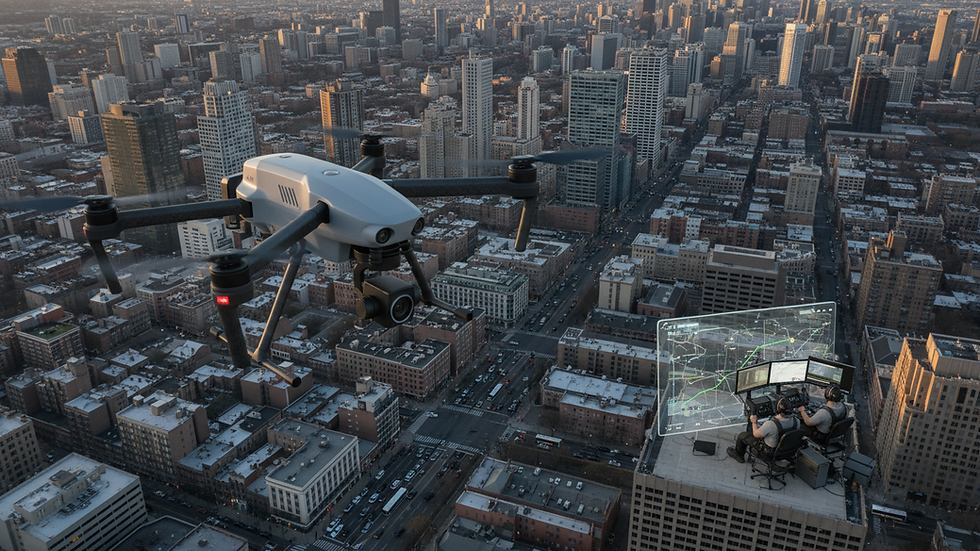
Advanced airspace defense refers to the integrated systems and strategies designed to detect, identify, and mitigate unauthorized drone activity. These systems provide real-time situational awareness, enabling security teams to respond swiftly and effectively to potential threats. The complexity of modern drone technology demands equally sophisticated defense mechanisms that can adapt to evolving tactics used by unauthorized drone operators.
For example, during large public events, drones can disrupt operations by flying into restricted zones, potentially causing accidents or security breaches. Similarly, critical infrastructure such as power plants, airports, and government facilities are vulnerable to drone incursions that could lead to espionage, sabotage, or safety hazards. Advanced airspace defense systems help maintain control over these environments by providing early warning and actionable intelligence.
Key components of advanced airspace defense include:
Detection: Using radar, radio frequency (RF) sensors, and optical cameras to identify drone presence.
Identification: Differentiating between authorized and unauthorized drones through signal analysis and visual confirmation.
Mitigation: Employing countermeasures such as signal jamming, drone capture, or safe drone landing protocols.
These capabilities ensure that security personnel can maintain operational control and reduce risks associated with drone threats.

Common Drone Threat Scenarios and Operational Challenges
Understanding the scenarios where drones pose a threat is critical for designing effective defense strategies. Some of the most common situations include:
Unauthorized Surveillance: Drones equipped with cameras can conduct covert surveillance of sensitive sites, gathering intelligence that could be exploited for criminal or terrorist activities.
Smuggling and Contraband Delivery: In correctional facilities or border areas, drones are used to transport prohibited items, bypassing traditional security measures.
Airspace Disruption: Near airports or during emergency response operations, drones can interfere with manned aircraft, creating collision risks and operational delays.
Event Security Breaches: At concerts, sports events, or political gatherings, drones can be used to disrupt proceedings or pose safety hazards to attendees.
Malicious Payload Delivery: There is a growing concern about drones carrying explosives or hazardous materials into restricted zones.
Each scenario requires tailored responses that balance safety, legal considerations, and operational effectiveness. For instance, in an airport environment, rapid detection and communication with air traffic control are paramount, while at a public event, crowd safety and minimal disruption are priorities.
Operational challenges include:
Rapid Identification: Distinguishing between benign and hostile drones quickly.
Legal Compliance: Ensuring countermeasures comply with local laws and regulations.
Integration: Coordinating drone defense with existing security infrastructure.
Resource Allocation: Deploying personnel and technology efficiently during high-risk periods.
By addressing these challenges, agencies can enhance their readiness and response capabilities.
Does the U.S. have a drone defense system?
The United States has recognized the growing threat posed by unauthorized drones and has developed multiple initiatives to counteract these risks. Federal agencies such as the Department of Homeland Security (DHS), the Federal Aviation Administration (FAA), and the Department of Defense (DoD) have invested in research and deployment of drone detection and mitigation technologies.
Several pilot programs and operational deployments have taken place at airports, critical infrastructure sites, and major public events. These efforts focus on integrating sensor networks, improving detection algorithms, and establishing protocols for coordinated response. However, the deployment of comprehensive drone defense systems remains a work in progress, with ongoing efforts to balance security needs with privacy and regulatory concerns.
Local law enforcement and public safety agencies often collaborate with federal partners to implement tailored solutions that fit their operational environments. This collaboration ensures that drone defense capabilities are scalable and adaptable to different threat levels.

Practical Recommendations for Implementing Effective Airspace Protection
Organizations responsible for securing airspace should consider the following actionable steps to enhance their drone defense posture:
Conduct Risk Assessments: Identify critical assets and events vulnerable to drone threats. Understand the specific risks and potential impact.
Deploy Integrated Detection Systems: Utilize a combination of radar, RF sensors, and optical cameras to maximize detection accuracy and coverage.
Establish Clear Protocols: Develop standard operating procedures for drone detection, identification, and response. Include communication plans with local authorities and air traffic control.
Train Personnel: Ensure security teams are trained to interpret sensor data, recognize drone threats, and execute mitigation tactics safely.
Engage with Regulatory Bodies: Stay informed about evolving drone regulations and ensure compliance with legal frameworks governing counter-drone activities.
Leverage Real-Time Data: Use systems that provide live situational awareness to enable rapid decision-making and coordinated response.
Plan for Scalability: Choose solutions that can be expanded or adapted as drone technology and threat landscapes evolve.
By following these recommendations, organizations can build a robust defense that minimizes drone-related risks and supports mission-critical operations.
Enhancing Trust and Operational Control with Reliable Drone Defense Solutions
Trust in drone defense technology is essential for public safety agencies and security professionals. Reliable systems provide confidence that airspace is monitored continuously and that threats will be detected before they escalate. This trust is built through proven performance, ease of deployment, and clear operational value.
Operational control is enhanced when defense systems integrate seamlessly with existing security infrastructure and communication networks. This integration allows for coordinated responses that prioritize safety and minimize disruption. For example, during an emergency response, knowing the exact location and intent of a drone can prevent interference with rescue operations.
Ultimately, the goal of advanced airspace defense is to empower security teams with the tools and information they need to protect people, property, and critical infrastructure. By investing in dependable drone defense systems, organizations can maintain safe airspace and reduce the risks associated with unauthorized drone activity.
For more information on how to implement effective drone defense strategies, visit drone defense systems.


Comments