.png)
Comprehensive Guide to Effective Drone Protection

Drones have become increasingly common in various sectors, offering valuable capabilities but also presenting new security challenges. For public safety agencies, event security teams, emergency responders, and critical infrastructure operators, understanding how to manage and mitigate drone-related risks is essential. This guide provides a clear, practical overview of effective drone protection strategies designed to enhance situational awareness, operational control, and safety.
Understanding the Need for Effective Drone Protection
The rapid proliferation of drones has introduced complex security concerns. Unauthorized or malicious drone activity can disrupt public safety operations, compromise sensitive events, and threaten critical infrastructure. For example, drones flying near airports can interfere with air traffic, while those hovering over large public gatherings may pose privacy or safety risks.
Effective drone protection involves more than just detection. It requires a comprehensive approach that includes real-time tracking, threat assessment, and tactical response capabilities. This ensures that security teams can quickly identify potential threats and take appropriate action to maintain control of their airspace.
Key challenges include:
Unauthorized surveillance: Drones equipped with cameras can capture sensitive information.
Smuggling and contraband delivery: Drones can be used to transport illegal items into restricted areas.
Interference with emergency operations: Drones can obstruct firefighting, search and rescue, or law enforcement activities.
Physical threats: Some drones may carry hazardous payloads or be used for disruptive purposes.
Understanding these risks is the first step toward implementing effective countermeasures.

Components of Effective Drone Protection
Effective drone protection relies on a layered defense strategy that integrates detection, identification, tracking, and response. Each component plays a critical role in maintaining airspace security.
Detection
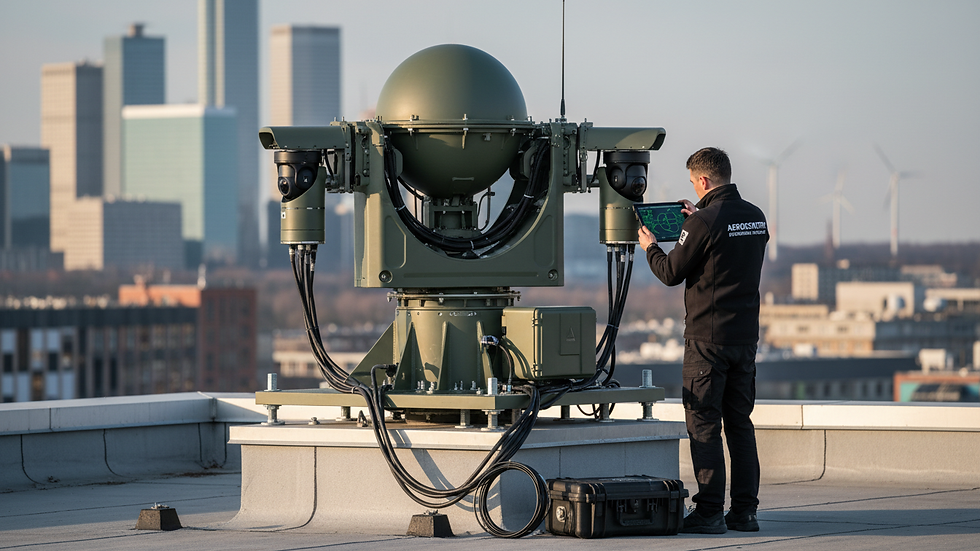
Detection systems use radar, radio frequency (RF) sensors, acoustic sensors, or optical cameras to identify drone presence. Early detection is crucial for timely response. For example, RF detection can pick up communication signals between a drone and its operator, while radar systems can track drone movement even in low visibility.
Identification
Once detected, it is important to classify the drone type and assess its intent. Identification helps differentiate between benign drones (e.g., hobbyists) and potential threats. Advanced systems can analyze flight patterns, drone signatures, and operator behavior to provide actionable intelligence.
Tracking
Continuous tracking allows security teams to monitor drone trajectories and predict potential impact zones. This capability supports proactive decision-making, such as evacuating areas or deploying countermeasures.
Response
Response options vary depending on the threat level and operational context. Non-kinetic measures include jamming or spoofing drone signals to disrupt control. Physical interdiction may involve deploying nets or trained personnel to capture drones. Importantly, all response actions must comply with legal and regulatory frameworks to avoid unintended consequences.
Integration and Control
Centralized command and control platforms enable operators to manage detection and response tools efficiently. These platforms provide real-time situational awareness, incident logging, and coordination with other security assets.
How do I stop a drone from flying over my property?
Stopping unauthorized drones from entering restricted airspace requires a combination of technology, policy, and operational tactics.
Legal and Regulatory Measures
Understanding local laws regarding drone flights is essential. Many jurisdictions have established no-fly zones or require drone operators to obtain permission for certain areas. Enforcement agencies can leverage these regulations to take action against violators.
Physical Barriers and Signage
While physical barriers cannot stop drones in flight, clear signage indicating restricted airspace can deter casual or uninformed operators. This is particularly effective in areas with frequent drone activity.
Detection and Alert Systems
Deploying detection systems around the perimeter of sensitive sites provides early warning of drone incursions. Alerts can be sent to security personnel for immediate assessment.
Counter-Drone Technologies
When detection confirms a drone threat, counter-drone technologies can be activated. These include:
Signal jamming: Disrupts communication between the drone and its operator.
Spoofing: Takes control of the drone by mimicking its control signals.
Physical capture: Uses nets or other devices to safely bring down drones.
Each method has operational considerations and legal implications. For example, jamming may interfere with other communications and is regulated in many countries.
Operational Protocols
Establishing clear protocols for drone incidents ensures rapid, coordinated responses. This includes training personnel, defining roles, and maintaining communication with local authorities.
Real-World Use Cases of Drone Protection
Several scenarios illustrate the critical importance of effective drone protection.
Public Events
Large gatherings such as concerts, sports events, and political rallies are attractive targets for unauthorized drone flights. Drones can disrupt events, invade privacy, or pose safety hazards. Deploying detection and response systems helps event security teams maintain control and protect attendees.
Critical Infrastructure
Facilities such as power plants, water treatment centers, and transportation hubs are vulnerable to drone threats. Unauthorized drones can gather intelligence or deliver harmful payloads. Continuous airspace monitoring and rapid interdiction capabilities are vital to safeguarding these assets.
Emergency Response
During firefighting or disaster relief operations, drones can interfere with aerial support or endanger personnel. Emergency responders benefit from drone detection systems that provide real-time awareness and enable safe coordination of airspace.
Law Enforcement
Police agencies use drone protection to prevent surveillance by suspects, secure crime scenes, and manage airspace during operations. Integrating drone detection with existing command centers enhances operational effectiveness.
Best Practices for Implementing Drone Protection
Implementing a successful drone protection program requires careful planning and ongoing management.
Assess Risk and Define Objectives
Identify critical assets and potential drone threats. Define clear protection goals aligned with operational needs.
Select Appropriate Technologies
Choose detection and response tools that fit the environment and threat profile. Consider factors such as range, accuracy, and ease of deployment.
Train Personnel
Ensure security teams understand drone threats, system operation, and response protocols. Regular drills improve readiness.
Establish Legal Compliance
Work with legal advisors to ensure all counter-drone measures comply with local laws and regulations.
Integrate with Existing Security Systems
Connect drone protection tools with broader security infrastructure for unified situational awareness.
Maintain and Update Systems
Regularly test and update equipment to address evolving drone technologies and tactics.
Engage Stakeholders
Collaborate with local authorities, aviation agencies, and community groups to enhance overall airspace safety.
Enhancing Situational Awareness and Operational Control
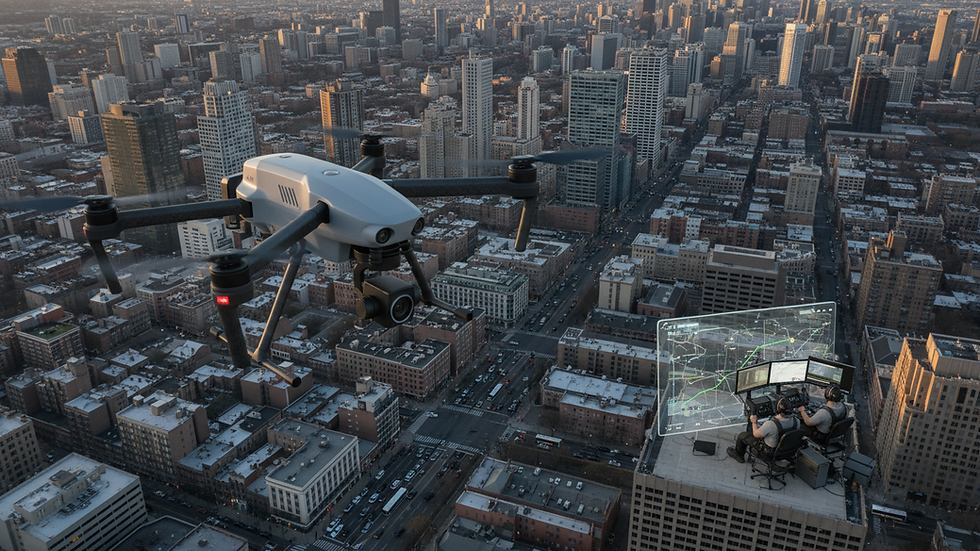
The cornerstone of effective drone protection is real-time situational awareness. This enables security teams to make informed decisions quickly and confidently. Advanced detection systems provide detailed data on drone location, speed, altitude, and operator signals. When combined with intuitive command interfaces, this information supports rapid threat assessment and coordinated response.
Operational control is further strengthened by integrating drone protection with other security measures such as surveillance cameras, access control, and communication networks. This holistic approach reduces blind spots and improves overall security posture.
By investing in reliable, easy-to-deploy drone detection solutions, organizations can reduce risk and support safer decision-making in complex environments.
This comprehensive guide highlights the critical elements of effective drone protection. By understanding the risks, deploying appropriate technologies, and following best practices, security professionals can safeguard their airspace and maintain operational integrity in the face of evolving drone threats.
For more information on advanced drone detection and response solutions, visit drone protection.


Comments