.png)
Comprehensive Guide to Advanced Drone Protection Methods

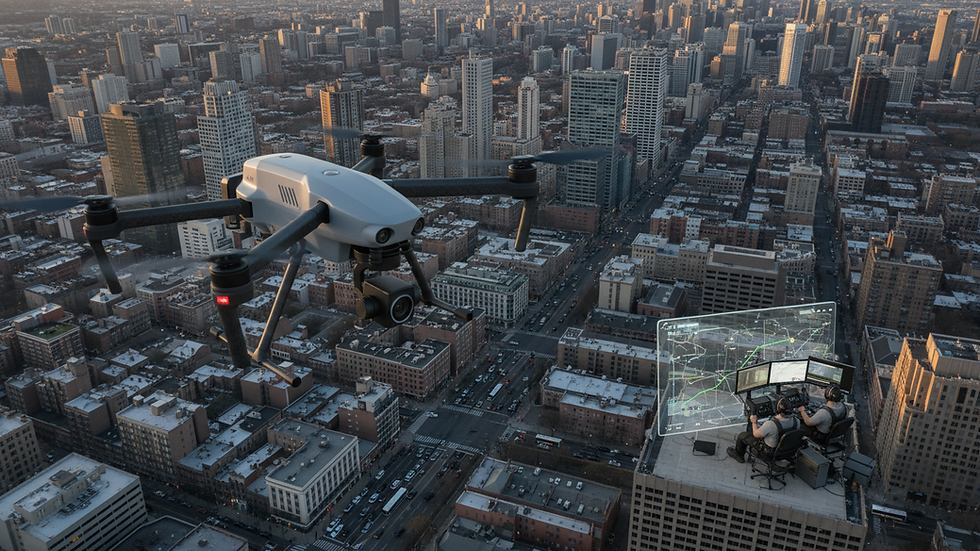
Unmanned aerial vehicles, commonly known as drones, have become increasingly prevalent in various sectors. While they offer significant benefits, they also pose emerging security challenges. Unauthorized or malicious drone activity can threaten public safety, disrupt critical infrastructure, and compromise sensitive events. This guide provides a detailed overview of advanced drone protection methods designed to enhance operational control, situational awareness, and risk mitigation for security professionals.
Understanding Advanced Drone Protection Methods
Effective drone protection requires a multi-layered approach that integrates detection, identification, tracking, and mitigation. Advanced drone protection methods combine cutting-edge technology with tactical response strategies to address evolving threats in real time.
Detection and Identification
The first step in drone security is early detection. Technologies such as radar, radio frequency (RF) scanners, acoustic sensors, and electro-optical/infrared (EO/IR) cameras work together to detect drones entering restricted airspace. Each sensor type has unique strengths:
Radar provides broad area coverage and can detect drones at long distances.
RF scanners identify communication signals between drones and their operators.
Acoustic sensors pick up the distinct sound signatures of drone motors.
EO/IR cameras offer visual confirmation and tracking, even in low light.
Combining these sensors into an integrated system improves detection accuracy and reduces false alarms.
Tracking and Classification
Once detected, drones must be tracked continuously to assess their trajectory and intent. Advanced systems use machine learning algorithms to classify drones by size, speed, and flight pattern. This classification helps security teams prioritize threats and allocate resources effectively.
Mitigation Techniques
Mitigation involves neutralizing unauthorized drones safely and legally. Common methods include:
Jamming RF signals to disrupt drone control and navigation.
Spoofing GPS signals to misdirect drones away from sensitive areas.
Physical capture using nets or trained birds of prey in specific scenarios.
Mitigation must be carefully managed to avoid collateral damage or interference with authorized operations.

Real-World Use Cases for Drone Protection
Advanced drone protection methods have been successfully deployed across various sectors to address specific security challenges.
Public Safety and Law Enforcement
Drones can be used for surveillance, search and rescue, or crime scene analysis. However, unauthorized drones can interfere with emergency response or pose threats during public events. Law enforcement agencies use drone detection systems to:
Monitor airspace during large gatherings or protests.
Prevent drone interference with firefighting operations.
Detect drones carrying contraband near correctional facilities.
Event Security
Sporting events, concerts, and political rallies attract large crowds and require stringent airspace control. Drone detection systems provide real-time alerts to security teams, enabling rapid response to unauthorized drone incursions that could endanger attendees or disrupt proceedings.
Critical Infrastructure Protection
Power plants, water treatment facilities, and transportation hubs are vulnerable to drone-based surveillance or attacks. Infrastructure operators deploy integrated drone protection solutions to:
Detect drones approaching sensitive zones.
Track drone movements to assess potential threats.
Coordinate with law enforcement for mitigation.
Airport Security
Airports face significant risks from drones interfering with aircraft operations. Advanced drone protection methods help airport security teams maintain safe airspace by providing early warnings and enabling coordinated responses to drone threats.
Is There a Drone Security System?
Yes, comprehensive drone security systems exist and are increasingly essential for maintaining airspace safety. These systems integrate multiple sensor technologies and software platforms to provide a unified operational picture.
A typical drone security system includes:
Multi-sensor detection units combining radar, RF, acoustic, and EO/IR sensors.
Centralized command software that fuses sensor data for real-time situational awareness.
Automated alerting and reporting tools to notify security personnel immediately.
Mitigation modules that enable controlled countermeasures.
Such systems are designed for rapid deployment and scalability, allowing agencies to tailor solutions to their specific operational environments.

Implementing Effective Drone Security Strategies
To maximize the benefits of advanced drone protection methods, organizations should follow these best practices:
Conduct a Risk Assessment
Identify critical assets, potential drone threat scenarios, and vulnerabilities. Understanding the operational environment guides the selection and deployment of appropriate detection and mitigation technologies.
Develop Standard Operating Procedures (SOPs)
Establish clear protocols for drone detection, threat assessment, and response. SOPs should define roles, communication channels, and escalation processes to ensure coordinated action.
Train Personnel
Equip security teams with the knowledge and skills to operate drone security systems effectively. Training should cover system capabilities, threat recognition, and legal considerations.
Integrate with Existing Security Infrastructure
Drone protection should complement other security measures such as perimeter control, surveillance cameras, and access management. Integration enhances overall situational awareness and response efficiency.
Maintain Compliance with Regulations
Ensure all drone detection and mitigation activities comply with local, state, and federal laws. Coordination with aviation authorities and law enforcement is critical to lawful operations.
Enhancing Operational Control and Situational Awareness
The core value of advanced drone protection methods lies in providing real-time awareness and operational control. Reliable detection and tracking enable security teams to make informed decisions quickly, reducing risk and enhancing safety.
By leveraging integrated sensor data and automated alerts, operators can:
Detect unauthorized drones before they pose a threat.
Assess drone intent and prioritize responses.
Coordinate with response teams and law enforcement.
Document incidents for post-event analysis and legal action.
This proactive approach transforms drone security from reactive to strategic, supporting mission success across diverse operational contexts.
Future Trends in Drone Security Technology
As drone technology evolves, so do the methods to counter emerging threats. Future developments in drone protection include:
Artificial intelligence (AI) for improved threat classification and predictive analytics.
Enhanced sensor fusion for greater detection accuracy in complex environments.
Non-kinetic mitigation techniques that neutralize drones without physical damage.
Integration with unmanned traffic management (UTM) systems for coordinated airspace control.
Staying informed about these trends helps security professionals anticipate challenges and adopt innovative solutions.
Implementing advanced drone protection methods is essential for safeguarding critical assets and public safety. By adopting comprehensive drone security systems, organizations gain the tools needed to detect, track, and respond to drone threats effectively. This commitment to operational control and situational awareness supports safer environments and more confident decision-making in an increasingly complex airspace.


Comments