.png)
Revolutionizing Airspace Security with Drone Detection Methods
- Aerial Defense Systems

- Mar 30
- 4 min read
The rapid growth of drone technology has brought significant benefits across many sectors. However, it has also introduced new challenges for airspace security. Unauthorized or malicious drone activity can pose serious risks to public safety, critical infrastructure, and large-scale events. To address these threats, advanced drone detection methods are essential. These methods provide real-time awareness and operational control, enabling security professionals to respond effectively and maintain safe airspace environments.
Understanding Drone Detection Methods
Drone detection methods encompass a variety of technologies designed to identify, track, and classify unmanned aerial vehicles (UAVs) operating within a protected airspace. These methods are critical for law enforcement, emergency responders, event security teams, and infrastructure managers who require timely and accurate information about drone activity.
The primary drone detection methods include:
Radio Frequency (RF) Detection: This method monitors the radio signals between drones and their controllers. It can detect communication links, identify drone types, and sometimes locate the operator.
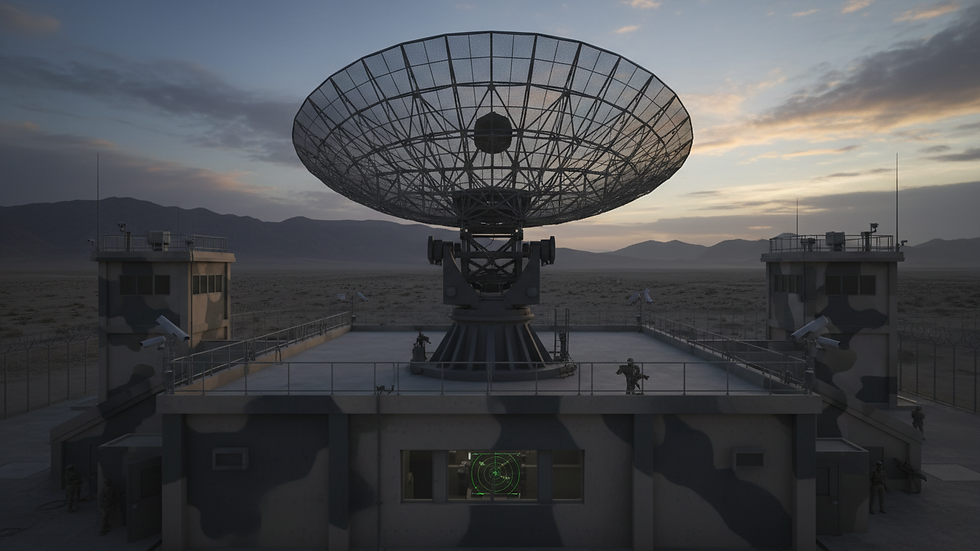
Radar Detection: Radar systems emit radio waves and analyze the reflections to detect flying objects. Modern radar can distinguish drones from birds or other airborne objects based on size, speed, and flight patterns.
Optical and Infrared (IR) Detection: Cameras equipped with optical and infrared sensors provide visual confirmation of drone presence. These systems can operate day and night, offering detailed imagery for identification.
Acoustic Detection: This method uses microphones to capture the unique sound signatures of drone motors and propellers. Acoustic sensors can detect drones even when they are out of visual range.
Each method has strengths and limitations. For example, RF detection is effective for drones using standard communication protocols but may miss autonomous drones. Radar provides broad coverage but can be challenged by cluttered environments. Optical and IR systems require line of sight, and acoustic detection is sensitive to ambient noise.
Is There Any Way to Detect Drones?
Yes, there are several practical ways to detect drones, each suited to different operational needs and environments. Combining multiple detection methods often yields the best results, creating a layered defense that enhances situational awareness.
Integrated Sensor Networks: Deploying a combination of radar, RF, optical, and acoustic sensors creates a comprehensive detection network. This integration allows cross-verification of drone presence and reduces false alarms.
Automated Alert Systems: Advanced software analyzes sensor data in real time, providing alerts and actionable intelligence to security personnel. This capability supports rapid decision-making and coordinated responses.
Geofencing and No-Fly Zones: Some detection systems incorporate geofencing technology to monitor restricted airspace. When a drone enters these zones, alerts are triggered immediately.
Mobile and Portable Solutions: For event security or emergency response, portable drone detection units can be quickly deployed to provide temporary airspace monitoring.
These detection methods are not only about identifying drones but also about understanding their behavior and intent. Early detection enables security teams to assess potential threats and implement appropriate countermeasures.

Real-World Threat Scenarios Involving Drones
Drones have been involved in various incidents that highlight the need for reliable detection and response capabilities:
Critical Infrastructure Intrusions: Unauthorized drones flying near power plants, water treatment facilities, or communication towers can disrupt operations or gather sensitive information.
Airport Security Risks: Drones near airports pose collision hazards to manned aircraft, leading to flight delays and safety concerns.
Public Event Disruptions: Large gatherings such as concerts or sports events are vulnerable to drone intrusions that can cause panic or be used for illicit surveillance.
Emergency Response Interference: During firefighting or disaster relief operations, drones can interfere with aerial assets, complicating response efforts.
In each case, early detection and tracking of drones provide security teams with the critical time needed to mitigate risks. Understanding the drone’s location, speed, and flight path supports informed operational decisions.
Operational Value of Drone Detection Solutions
Implementing effective drone detection solutions delivers several key benefits:
Enhanced Situational Awareness: Real-time data on drone activity allows security personnel to maintain a clear picture of the airspace environment.
Risk Reduction: Early identification of unauthorized drones helps prevent accidents, disruptions, and potential attacks.
Improved Response Coordination: Integrated detection systems enable seamless communication between different agencies and teams.
Compliance and Reporting: Accurate records of drone incidents support regulatory compliance and post-event analysis.
For organizations responsible for airspace security, investing in reliable drone detection technology is a strategic priority. These solutions are designed to be easy to deploy and operate, minimizing the burden on existing security infrastructure.
Implementing Effective Drone Detection Strategies
To maximize the effectiveness of drone detection, consider the following recommendations:
Assess Airspace Vulnerabilities: Identify critical areas where drone threats are most likely or would have the greatest impact.
Select Appropriate Detection Technologies: Choose methods that align with operational needs, environmental conditions, and budget constraints.
Integrate Multiple Sensors: Combine radar, RF, optical, and acoustic systems to create a robust detection network.
Train Personnel: Ensure security teams understand how to interpret detection data and respond appropriately.
Develop Response Protocols: Establish clear procedures for handling drone detections, including escalation and coordination with law enforcement.
Regularly Test and Update Systems: Maintain detection equipment and software to adapt to evolving drone technologies and tactics.
By following these steps, organizations can build a proactive defense against drone-related threats and maintain control over their airspace.
For those seeking comprehensive and reliable drone detection solutions, Aerial Defense Systems (ADS) offers technology designed to support public safety agencies, event organizers, and critical infrastructure operators. Their systems prioritize ease of deployment, real-time awareness, and operational control.
Building Trust Through Reliable Airspace Protection
The evolving drone landscape demands vigilance and preparedness. Security professionals must rely on proven detection methods that provide accurate, timely information without overwhelming operators with false alarms. Trust in drone detection technology is built through consistent performance, clear data presentation, and seamless integration into existing security workflows.
By adopting advanced drone detection methods, organizations can safeguard their airspace, protect people and assets, and maintain operational continuity. The mission to secure the skies is ongoing, and effective drone detection is a critical component of that effort.


Comments