.png)
Drone Protection Advice: The Importance of Drone Security Consultation

Unmanned aerial systems, commonly known as drones, have become indispensable tools across many sectors. However, their increasing accessibility and capabilities also introduce new security challenges. For public safety agencies, event security teams, emergency responders, and critical infrastructure operators, understanding and managing drone threats is essential. This is where professional drone security consultation plays a pivotal role in enhancing operational safety and situational awareness.
Understanding the Growing Need for Drone Protection Advice
Drones can be used for legitimate purposes such as aerial surveillance, infrastructure inspection, and emergency response. Yet, they also pose risks when operated maliciously or without proper authorization. Unauthorized drones can disrupt public events, compromise sensitive sites, or interfere with emergency operations.
Key drone threat scenarios include:
Surveillance and espionage: Drones equipped with cameras can capture sensitive information or monitor critical infrastructure.
Smuggling and contraband delivery: Drones can transport illicit items into restricted areas such as prisons or secure facilities.
Interference with emergency response: Unauthorized drones can hinder firefighting, search and rescue, or law enforcement activities.
Physical threats: Drones carrying hazardous payloads or flying dangerously close to crowds or aircraft.
Given these risks, organizations responsible for public safety and security must adopt proactive measures. Drone protection advice tailored to specific operational environments helps identify vulnerabilities and implement effective countermeasures.

How Drone Protection Advice Enhances Operational Control
Effective drone security consultation provides a comprehensive assessment of an organization’s airspace and security posture. It involves evaluating current detection capabilities, identifying potential drone threat vectors, and recommending tactical responses.
Operational benefits of drone protection advice include:
Improved situational awareness: Real-time detection and tracking of drones enable rapid identification of potential threats.
Risk reduction: Early warning systems help prevent unauthorized drone incursions before they escalate.
Informed decision-making: Clear protocols and response plans empower security teams to act decisively.
Compliance and coordination: Aligning drone countermeasures with legal frameworks and interagency cooperation ensures lawful and effective operations.
For example, event security teams can use drone detection systems to monitor airspace during large gatherings, enabling them to respond swiftly to unauthorized drone activity. Similarly, airport security can integrate drone awareness into their existing surveillance infrastructure to protect against airspace violations.
What to do if you think a drone is spying on you?
Detecting a drone that may be conducting surveillance requires a calm and methodical approach. Here are practical steps to take:
Document the drone activity: Note the time, location, drone description, and behavior. Use cameras or smartphones to capture images or video if safe to do so.
Assess the threat level: Determine if the drone is hovering near sensitive areas, following individuals, or acting suspiciously.
Notify appropriate authorities: Contact local law enforcement or security personnel trained in drone response.
Avoid direct confrontation: Do not attempt to disable or capture the drone yourself, as this may be illegal and dangerous.
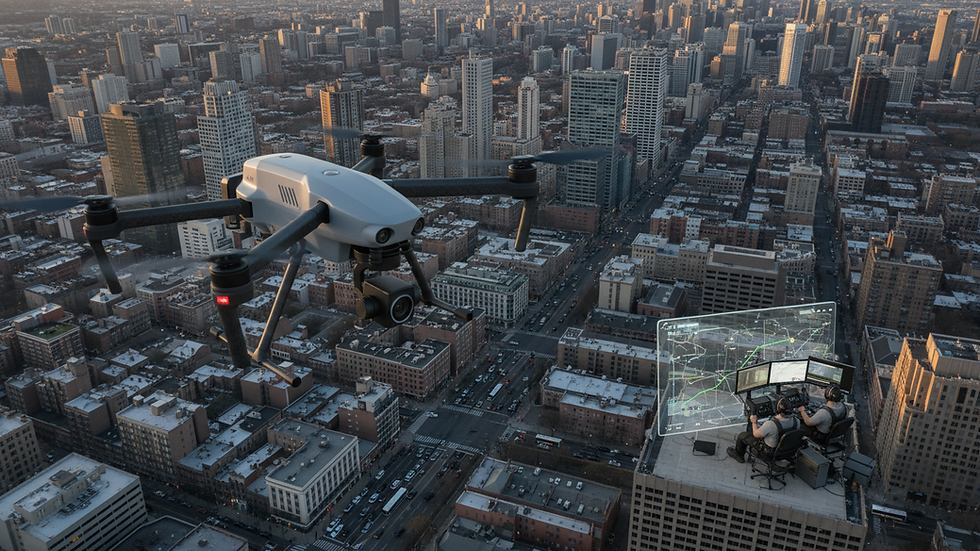
Implement airspace monitoring: Use drone detection technology to track the drone’s movements and gather intelligence.
Review security protocols: Ensure that your organization’s drone response plan is up to date and that personnel are trained.
By following these steps, security teams can maintain control over their airspace and mitigate potential privacy or safety risks.

Integrating Drone Security Consultation into Security Strategies
Incorporating professional drone security consultation into existing security frameworks is essential for comprehensive protection. This process typically involves:
Risk assessment: Identifying critical assets and potential drone threat scenarios specific to the operational environment.
Technology evaluation: Selecting appropriate drone detection and mitigation tools that fit organizational needs and budgets.
Training and exercises: Preparing personnel to recognize drone threats and execute response protocols effectively.
Policy development: Establishing clear guidelines for drone operations, incident reporting, and interagency collaboration.
Continuous improvement: Regularly reviewing and updating drone security measures based on emerging threats and technological advances.
Aerial Defense Systems (ADS) specializes in providing reliable, easy-to-deploy drone detection solutions that enhance real-time awareness and operational control. Their expertise supports safer decision-making for public safety agencies, event organizers, and critical infrastructure operators.
Building Trust Through Reliable Drone Awareness
Trust is fundamental when managing drone threats in sensitive environments. Security professionals must rely on accurate, timely information to protect people and assets. A trusted drone security consultation partner delivers:
Accurate detection: Minimizing false alarms while ensuring no genuine threats go unnoticed.
User-friendly interfaces: Allowing security teams to quickly interpret data and respond appropriately.
Scalable solutions: Adapting to different operational sizes, from small events to large infrastructure sites.
Legal compliance: Ensuring all counter-drone measures respect privacy laws and airspace regulations.
By fostering trust and operational confidence, organizations can maintain control over their airspace and reduce vulnerabilities posed by unauthorized drones.
Preparing for the Future of Airspace Security
As drone technology evolves, so do the tactics of those who may misuse it. Staying ahead requires ongoing vigilance and adaptation. Investing in expert drone security consultation is a strategic step toward future-proofing security operations.
Organizations should:
Monitor regulatory changes affecting drone use and countermeasures.
Engage in information sharing with other agencies and industry partners.
Explore emerging technologies such as AI-enhanced detection and automated response systems.
Conduct regular training and scenario-based exercises to maintain readiness.
By embracing a proactive and informed approach, security teams can ensure their airspace remains safe and secure.
Drone threats are a complex and evolving challenge. Leveraging professional drone security consultation empowers organizations to detect, understand, and respond to these risks effectively. Through enhanced situational awareness, operational control, and trusted partnerships, public safety and security professionals can safeguard their environments against unauthorized drone activity.


Comments