.png)
Comprehensive Overview of Advanced Drone Protection Systems
- Aerial Defense Systems

- May 28
- 4 min read
Unmanned aerial vehicles, commonly known as drones, have become increasingly prevalent across various sectors. While they offer significant benefits, their misuse poses serious security challenges. Protecting sensitive airspace from unauthorized drone activity is critical for public safety agencies, event security teams, emergency responders, and infrastructure managers. Advanced drone protection systems provide a tactical response to these emerging threats by delivering real-time awareness and operational control.
Understanding Advanced Drone Protection Systems
Advanced drone protection systems are designed to detect, track, and mitigate unauthorized drone activity in restricted airspace. These systems integrate multiple technologies such as radar, radio frequency (RF) detection, electro-optical sensors, and acoustic sensors to provide comprehensive situational awareness. The goal is to identify drones early, assess their intent, and enable timely intervention.
For example, a critical infrastructure site like a power plant can deploy these systems to monitor airspace continuously. When an unauthorized drone enters the area, the system alerts security personnel, providing precise location data and flight path information. This allows for rapid decision-making to prevent potential threats such as espionage, sabotage, or delivery of hazardous materials.
Key components of advanced drone protection systems include:
Detection Sensors: Radar and RF sensors scan the airspace for drone signatures.
Tracking Algorithms: Software processes sensor data to track drone movements.
Identification Tools: Cameras and signal analyzers help distinguish between authorized and unauthorized drones.
Response Mechanisms: Options range from alerting security teams to deploying countermeasures.
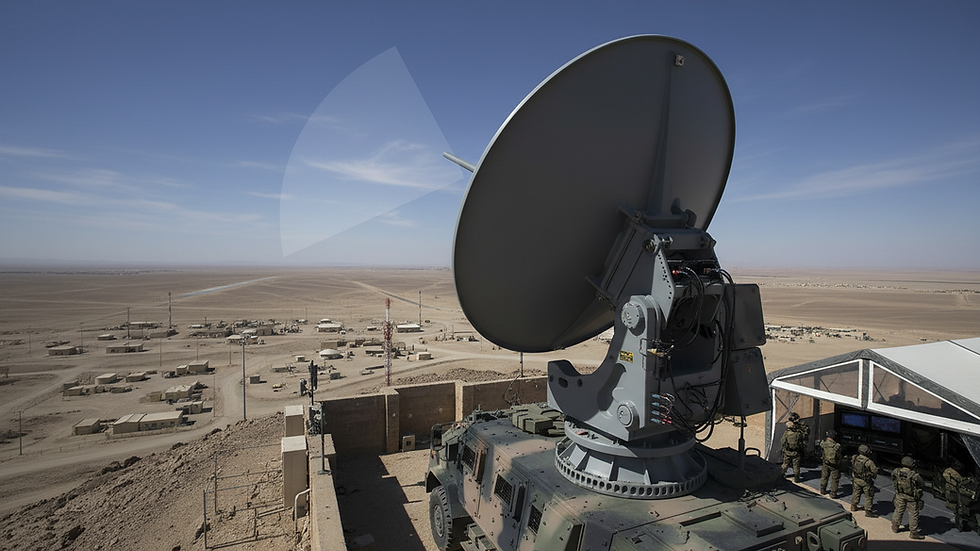
Real-World Use Cases and Operational Value
The operational value of advanced drone protection systems is evident in various real-world scenarios. Public safety agencies, for instance, face challenges during large public events where drones can disrupt crowd control or pose safety risks. By deploying these systems, event security teams gain real-time drone detection capabilities, enabling them to respond swiftly and maintain order.
Emergency responders also benefit from drone protection systems during disaster response operations. Unauthorized drones can interfere with aerial firefighting or search and rescue missions. Early detection ensures that emergency aircraft operate safely without unexpected drone interference.
Airport security is another critical area where these systems prove indispensable. Unauthorized drones near runways can cause flight delays or accidents. Advanced drone protection systems provide continuous monitoring and immediate alerts, helping airport authorities maintain safe airspace.
Infrastructure operators managing facilities such as bridges, pipelines, and communication towers use these systems to prevent surveillance or sabotage attempts. The ability to detect and track drones enhances perimeter security and supports proactive risk management.

What is the best defence system against drones?
Selecting the best defense system against drones depends on the specific operational environment and threat profile. A layered approach combining detection, identification, and mitigation technologies offers the most effective protection.
Detection is the first critical step. Systems that combine radar and RF sensors provide broad coverage and high sensitivity. Radar detects physical objects in the airspace, while RF sensors identify drone communication signals. This dual approach reduces false alarms and improves detection accuracy.
Identification follows detection. Electro-optical and infrared cameras help confirm the presence of a drone and assess its type and payload. This information is vital for determining the appropriate response.
Mitigation options vary based on legal and operational constraints. Some systems use jamming technology to disrupt drone control signals, forcing the drone to land or return to its operator. Others employ net guns or trained birds of prey for physical interception. However, mitigation must be carefully managed to avoid collateral damage or interference with authorized operations.
Ultimately, the best defense system integrates these elements into a unified platform that provides operators with clear, actionable intelligence. This enables rapid, informed decisions that prioritize safety and minimize risk.
Key Threat Scenarios Addressed by Drone Protection Systems
Understanding common drone threat scenarios helps highlight the importance of advanced drone protection systems:
Unauthorized Surveillance: Drones equipped with cameras can capture sensitive information from restricted areas. Protection systems detect and track these drones before they compromise security.
Smuggling and Contraband Delivery: Drones can transport illicit items into prisons or secure facilities. Early detection prevents unauthorized deliveries and supports law enforcement interventions.
Disruption of Public Events: Drones flying over crowded venues can cause panic or interfere with emergency response. Real-time alerts enable event security to neutralize threats quickly.
Interference with Emergency Operations: Unauthorized drones near firefighting or medical evacuation helicopters pose collision risks. Protection systems ensure safe airspace for emergency responders.
Sabotage and Terrorism: Drones carrying explosives or hazardous materials represent a growing threat. Advanced detection and mitigation capabilities are essential to prevent attacks.
By addressing these scenarios, drone protection systems enhance overall security posture and support mission-critical operations.
Implementing Effective Drone Security Systems
Implementing effective drone security systems requires a strategic approach tailored to the operational environment. Here are practical recommendations for deployment:
Conduct a Risk Assessment: Identify vulnerable airspace and potential drone threat vectors. This informs sensor placement and system configuration.
Integrate with Existing Security Infrastructure: Connect drone detection systems with command centers, surveillance cameras, and access control for comprehensive situational awareness.
Train Personnel: Ensure operators understand system capabilities, threat indicators, and response protocols. Regular drills improve readiness.
Establish Clear Response Procedures: Define escalation paths and legal considerations for drone interdiction. Coordination with law enforcement is critical.
Maintain System Updates and Calibration: Regularly update software and calibrate sensors to maintain detection accuracy and adapt to evolving drone technologies.
Leverage Data Analytics: Use collected data to analyze drone activity patterns and refine security measures over time.
By following these guidelines, organizations can maximize the effectiveness of their drone protection investments and maintain control over their airspace.
Enhancing Situational Awareness and Operational Control
The core benefit of advanced drone protection systems lies in enhancing situational awareness and operational control. These systems provide a continuous, real-time picture of drone activity, enabling security teams to:
Detect drones at the earliest possible stage.
Assess the threat level based on drone type, behavior, and payload.
Coordinate rapid, informed responses to neutralize risks.
Document incidents for post-event analysis and legal action.
This level of awareness supports safer decision-making and reduces the likelihood of drone-related incidents escalating into emergencies.
Integrating these systems with communication networks ensures that all relevant stakeholders receive timely alerts. This coordination is vital during complex operations such as large-scale events or emergency responses.
Advanced drone protection systems represent a critical investment in modern security infrastructure. By providing reliable detection, identification, and mitigation capabilities, these systems empower security professionals to safeguard airspace effectively. For organizations seeking to enhance their defense against unauthorized drones, exploring drone security systems offers a pathway to improved safety, operational control, and peace of mind.


Comments