.png)
Beginner's Guide to Basic Drone Detection Tools and Starter Kits

Unmanned aerial vehicles, commonly known as drones, have become increasingly accessible and prevalent. While drones offer many benefits, they also pose significant security challenges for public safety agencies, event security teams, and critical infrastructure operators. Unauthorized drone activity can disrupt operations, compromise safety, and create privacy concerns. To address these risks, organizations need reliable tools to detect, track, and respond to drone threats effectively.
This guide provides a clear, practical overview of basic drone detection tools and how a drone detection starter kit can serve as a foundational solution for enhancing airspace awareness and operational control.
Understanding Basic Drone Detection Tools
Basic drone detection tools are designed to identify and monitor drone activity in real time. These tools provide critical situational awareness that enables security teams to respond promptly to potential threats. The core technologies used in drone detection include:
Radio Frequency (RF) Detection: This method scans for the radio signals drones use to communicate with their controllers. It can detect drones even when they are out of visual range.
Radar Systems: Radar detects the physical presence of drones by bouncing radio waves off objects in the airspace. It is effective for tracking drone movement and altitude.
Optical and Infrared Cameras: These cameras provide visual confirmation of drone presence. Infrared cameras are especially useful for night-time detection.
Acoustic Sensors: These sensors pick up the unique sound signatures of drone motors and propellers.
Each technology has strengths and limitations. For example, RF detection is excellent for identifying drone control signals but may struggle with autonomous drones that do not emit signals. Radar provides broad coverage but can be affected by environmental clutter. Combining multiple detection methods increases reliability and accuracy.
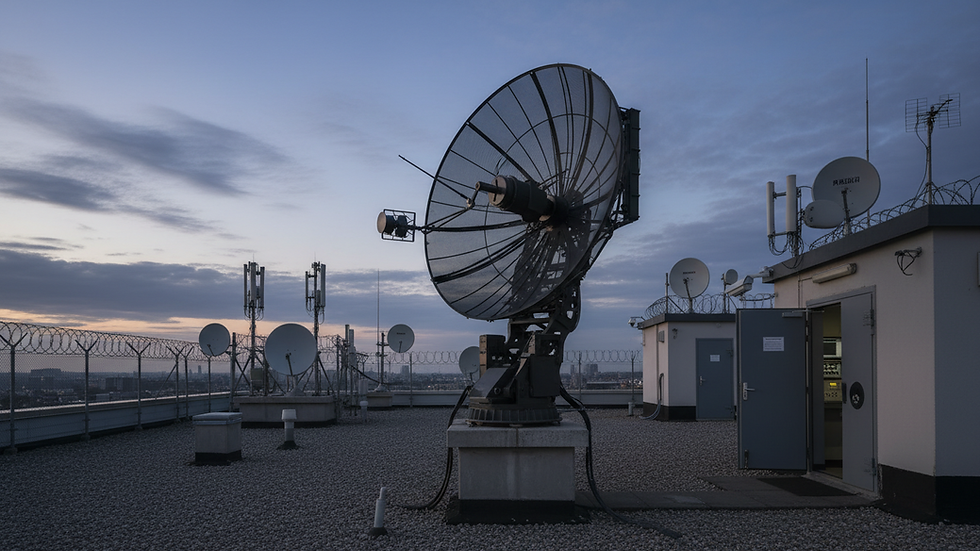
Key Components of a Basic Drone Detection Setup
A basic drone detection setup typically includes the following components:
Detection Sensors: These are the hardware units that scan the airspace using RF, radar, optical, or acoustic methods.
Processing Unit: This component analyzes sensor data to identify drone signatures and filter out false positives.
User Interface: A software dashboard or application that displays detected drone information, including location, altitude, and flight path.
Alert System: Notifications or alarms that inform security personnel of drone activity in real time.
For organizations new to drone detection, a starter kit offers a pre-configured package that integrates these components. This approach simplifies deployment and ensures compatibility between hardware and software.
Is there a device that detects drones?
Yes, there are specialized devices designed specifically to detect drones. These devices vary in complexity and capability but share the common goal of providing early warning and situational awareness. Some examples include:
Portable RF Detectors: Handheld units that scan for drone control signals within a limited range. Useful for quick sweeps or mobile security teams.
Fixed Radar Systems: Stationary installations that continuously monitor a defined airspace perimeter.
Integrated Multi-Sensor Systems: Advanced devices that combine radar, RF, optical, and acoustic sensors for comprehensive detection.
The choice of device depends on operational needs, budget, and the environment. For instance, event security teams may prefer portable detectors for flexibility, while critical infrastructure operators might invest in fixed systems for continuous coverage.

Real-World Use Cases for Drone Detection
Understanding how drone detection tools are applied in real scenarios helps clarify their operational value:
Public Safety and Law Enforcement: Detecting drones near sensitive locations such as prisons, government buildings, or during public events helps prevent contraband delivery, surveillance, or interference with emergency operations.
Event Security: Large gatherings like concerts or sports events are vulnerable to drone disruptions. Detection systems provide early alerts to mitigate risks such as unauthorized photography or potential threats.
Critical Infrastructure Protection: Facilities like power plants, water treatment centers, and airports require constant airspace monitoring to prevent drone intrusions that could cause damage or operational interruptions.
Emergency Response: During natural disasters or hazardous incidents, drones may interfere with rescue operations. Detection tools help maintain safe airspace for emergency aircraft.
These examples demonstrate the importance of real-time awareness and the ability to make informed decisions quickly.
Implementing a Drone Detection Starter Kit
For organizations beginning their drone detection journey, a drone detection starter kit offers a practical entry point. Here are key considerations for implementation:
Assess Operational Needs: Define the size of the area to be monitored, typical drone threat scenarios, and response protocols.
Select Appropriate Technologies: Choose detection methods that align with the environment and threat profile. Combining RF and optical sensors is a common approach.
Plan Deployment Locations: Position sensors to maximize coverage and minimize blind spots. Consider elevation, line of sight, and potential interference.
Train Personnel: Ensure security teams understand how to interpret detection data and respond effectively.
Integrate with Existing Systems: Where possible, connect drone detection alerts with broader security or command center platforms for streamlined operations.
Starting with a well-designed kit reduces complexity and accelerates the path to operational readiness.
Enhancing Operational Control and Safety
Effective drone detection is not just about identifying drones but also about maintaining control over the airspace and ensuring safety. Key operational benefits include:
Increased Situational Awareness: Real-time data on drone activity allows security teams to anticipate and mitigate risks.
Improved Decision-Making: Clear, actionable information supports timely responses, whether that means alerting law enforcement, initiating countermeasures, or evacuating areas.
Risk Reduction: Early detection minimizes the chance of drone-related incidents that could endanger people or disrupt critical operations.
Compliance and Reporting: Detection systems provide logs and evidence that support regulatory compliance and incident investigations.
By prioritizing operational control, organizations can build trust in their drone detection capabilities and enhance overall security posture.
Investing in basic drone detection tools and starter kits is a strategic step toward safeguarding airspace from unauthorized drone activity. With the right technology and operational approach, security teams can achieve reliable, real-time awareness and maintain control over their environments. This proactive stance is essential for protecting people, infrastructure, and public safety in an increasingly complex aerial landscape.


Comments